

The Middle East is witnessing a quiet but transformative shift in commercial kitchen technology, with steam-based cooking appliances—commonly known as *steamer stoves* or *baozi cookers*—gaining rapid adoption across restaurants, cafés, and catering operations in the UAE, Saudi Arabia, and Qatar. These innovative kitchen tools, long popular in Asia, are now redefining how food is prepared in high-volume, high-quality foodservice environments across the Gulf Cooperation Council (GCC) nations.
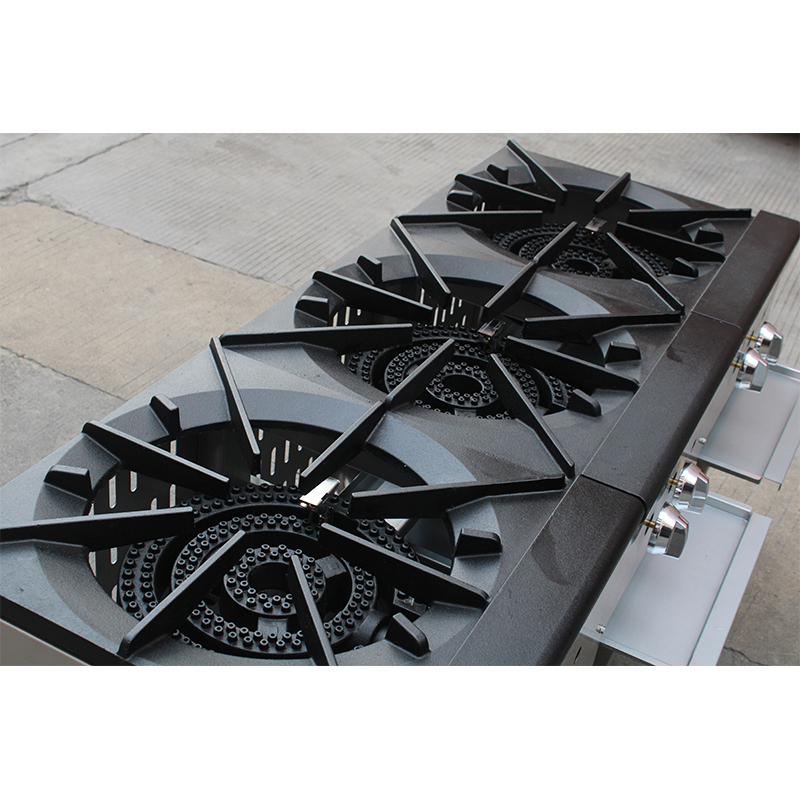
At the heart of this trend is the growing demand for authentic, healthy, and consistently cooked meals—especially traditional Chinese and East Asian delicacies like steamed buns (mantou), dumplings (jiaozi), and rice dishes. As expatriate populations grow and local palates diversify, operators are turning to commercial steamer stoves not just for their ability to replicate authentic flavors, but also for their efficiency, hygiene, and environmental advantages.
One of the most compelling features of modern commercial steamer stoves is their energy efficiency. Unlike conventional gas ovens or stovetops, many new models use advanced induction heating or pure electric steam generation, reducing energy consumption by up to 40% while maintaining precise temperature control. This aligns perfectly with regional sustainability goals—such as Saudi Arabia’s Vision 2030 and the UAE’s Net Zero 2050 strategy—making these appliances not only practical but also strategically aligned with national green initiatives.
“Switching to electric steamer stoves has transformed our kitchen operations,” says Ahmed Al-Farsi, head chef at a Dubai-based chain specializing in pan-Asian street food. “We’ve cut down on fuel costs, reduced kitchen heat output, and improved consistency—every batch of dumplings comes out perfectly steamed, no matter the time of day.”
Beyond cost savings and performance, these stoves offer unparalleled hygiene and safety. Steam cooking eliminates the need for oil or direct flame, minimizing fire hazards and reducing grease buildup—a major concern in densely packed urban kitchens. Additionally, the sealed design prevents cross-contamination, making it ideal for health-conscious establishments aiming for high HACCP (Hazard Analysis and Critical Control Points) compliance.
Manufacturers like China’s Yuhong Group, Taiwan’s Kung Fu Kitchen, and UAE-based GreenChef Solutions have responded to this demand by launching specialized models tailored for the Middle East market. These units often feature Arabic and English interfaces, tamper-proof controls, automatic water level sensors, and remote monitoring via smartphone apps—key features for busy commercial kitchens managing multiple shifts.
In Saudi Arabia, where the government is investing heavily in domestic tourism and food innovation through projects like NEOM and Red Sea Global, commercial steamer stoves are being integrated into new hotel kitchens and food courts. Similarly, in Qatar, post-World Cup infrastructure developments have spurred demand for modern, scalable kitchen solutions, with several five-star resorts adopting multi-tier steam cookers capable of preparing hundreds of servings per hour.
Another notable trend is the rise of hybrid models that combine steaming with grilling, roasting, and frying functions—all within a single compact unit. These all-in-one systems appeal to small-to-midsize restaurants looking to maximize space and minimize equipment footprint without sacrificing versatility.
“We’re seeing a clear move from ‘one-pot’ cooking to smart, modular kitchens,” explains Lina Hassan, a foodservice consultant based in Riyadh. “Steamers aren’t just about cooking—they’re part of a broader digital kitchen ecosystem. When paired with IoT-enabled monitoring and inventory management software, they help operators reduce waste, improve planning, and enhance customer satisfaction.”
With increasing consumer preference for clean-label, low-fat, and minimally processed foods, steam cooking naturally fits into this narrative. The method preserves nutrients, enhances natural flavors, and avoids artificial additives—factors that resonate strongly with health-conscious millennials and Gen Z diners across the region.
Looking ahead, experts predict continued growth in the commercial steamer stove market across the Middle East. According to a recent report by Frost & Sullivan, the GCC commercial kitchen equipment sector is expected to grow at a CAGR of 9.4% through 2027, with steam cooking devices accounting for nearly 28% of new appliance installations.
As the region’s hospitality and foodservice industries evolve, one thing is clear: the humble steamer stove is no longer just an Asian kitchen staple—it’s becoming a cornerstone of the modern, sustainable, and smart kitchen revolution across the Middle East.
————————————
We are a professional manufacturer of Commercial Refrigerator and have extensive experience in the manufacturing of Bakery Equipment ,We also produce Western Kitchen Equipment.Our wide range of products includes commercial refrigerators with excellent refrigeration and Steamed Rice Cabinet for different scenarios.
In addition, we also provide High Temperature Intelligent Disinfection Cabinet with intelligent control of high temperature and launch restaurant Warmer Dining Cart with excellent thermal insulation performance.
In the bakery industry, our equipment is trusted by customers, such as high capacity Commercial Oven For Bakery, and advanced Spiral Dough Mixer .We also provide stable Electric Dough Fermenting Proofer to meet the stringent requirements of different customers for the baking process.
