

In recent years, the Middle East has witnessed a transformative shift in commercial kitchen technology, with steam cooking systems—particularly high-capacity commercial steamer ovens—gaining unprecedented traction across the region. From Dubai’s five-star hotels to Riyadh’s bustling corporate cafeterias and Doha’s expanding food hubs, these innovative appliances are redefining how meals are prepared, stored, and served in professional environments.
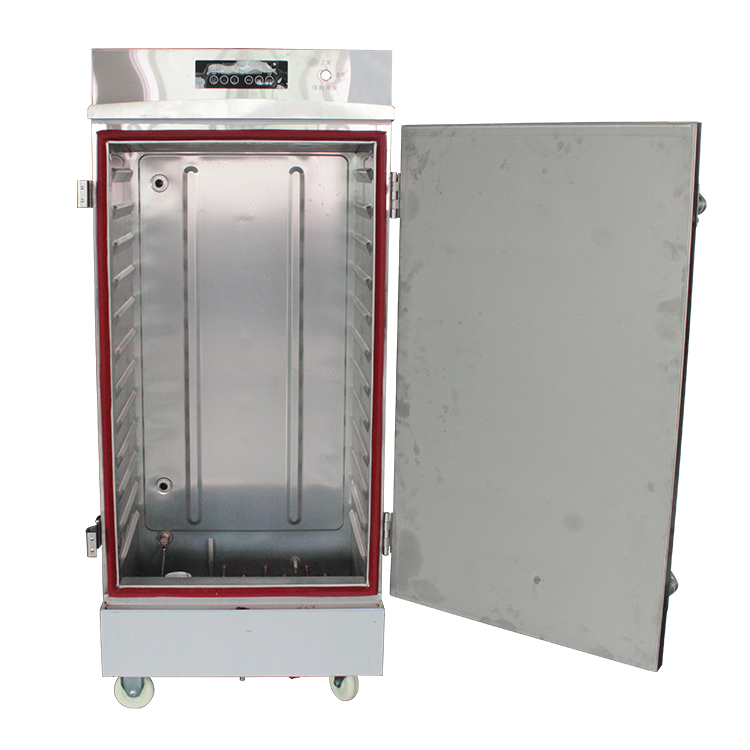
Driven by rising consumer expectations for healthier, fresher, and more hygienic food, along with stringent health and safety regulations in countries like Saudi Arabia and the UAE, chefs and kitchen managers are turning to steam cooking as a superior alternative to traditional grilling, frying, or boiling methods. Unlike oil-based cooking, steam retains natural flavors, nutrients, and textures while eliminating excess fat and harmful by-products such as acrylamides and trans fats.
One of the standout features of modern commercial steamer ovens is their ability to cook large volumes efficiently. Leading brands now offer multi-tiered models capable of preparing hundreds of servings per hour—ideal for banquet events, hospital meal services, school feeding programs, and hotel breakfast buffets. For instance, a single 12-tray steamer can handle over 600 portions of rice, vegetables, fish, and dumplings in under 30 minutes, significantly reducing labor time and minimizing human error.
Energy efficiency is another major selling point in the region’s harsh climate, where air conditioning costs are high and electricity consumption is closely monitored. Advanced steamers utilize intelligent heat recovery systems, insulated chambers, and precise temperature controls that reduce power usage by up to 40% compared to conventional ovens. Many models also feature programmable timers, remote monitoring via mobile apps, and automatic shut-off functions—making them ideal for automated, smart kitchens aligned with Industry 4.0 standards.
Hygiene remains a top priority in the post-pandemic era, and steam cooking offers a compelling advantage here. The sealed environment prevents cross-contamination, and the absence of open flames or greasy surfaces reduces fire hazards and cleaning frequency. In fact, many GCC restaurants and institutional kitchens have adopted steamers not only for their performance but also for compliance with local health codes and international food safety certifications such as HACCP and ISO 22000.
Moreover, the versatility of commercial steamers extends far beyond simple rice or vegetable preparation. Modern units support a wide range of culinary applications: from slow-cooking stews and braising meats to proofing dough, reheating frozen meals without drying out, and even sterilizing utensils and serving trays. This multifunctionality allows operators to streamline kitchen layouts, reduce equipment clutter, and lower capital expenditure—all crucial considerations in space-constrained urban centers like Jeddah and Abu Dhabi.
The regional market for commercial steamers is projected to grow at a compound annual growth rate (CAGR) of over 12% through 2030, fueled by government initiatives promoting sustainable infrastructure and smart city development. In Saudi Arabia’s Vision 2030, for example, investments in green technologies and domestic food security have accelerated demand for efficient, low-emission kitchen equipment. Similarly, Qatar’s National Food Security Strategy emphasizes modernized food production and processing systems—areas where steam cooking plays a key role.
Manufacturers are responding with region-specific innovations. Some models now include salt-resistant stainless steel interiors to combat corrosion from high-salinity water sources common in coastal areas. Others integrate Arabic-language interfaces and adjustable humidity settings tailored to regional cuisines like kabsa, machboos, and hummus-based dishes. These localized adaptations demonstrate a deep understanding of Middle Eastern culinary practices and user needs.
Training and after-sales support are also becoming critical components of adoption. Leading suppliers in the region provide on-site installation, multilingual technical assistance, and ongoing maintenance packages, ensuring seamless integration into existing kitchen workflows. Partnerships with local distributors and universities have further facilitated knowledge transfer, enabling culinary schools to train future chefs in sustainable cooking techniques.
Looking ahead, the fusion of AI and IoT capabilities is poised to take Middle Eastern commercial steamers to the next level. Future models may feature predictive maintenance alerts, real-time energy dashboards, and AI-driven recipe optimization based on ingredient availability and customer preferences—ushering in an era of truly intelligent kitchens.
As the Middle East continues its journey toward culinary excellence and operational sustainability, the commercial steamer oven stands out not just as a piece of equipment—but as a symbol of innovation, efficiency, and forward-thinking design. With the region’s appetite for modernization showing no signs of slowing, steam cooking is set to become the backbone of the next generation of commercial kitchens across the Gulf.
————————————
We are a professional manufacturer of Commercial Refrigerator and have extensive experience in the manufacturing of Bakery Equipment ,We also produce Western Kitchen Equipment.
Our wide range of products includes commercial refrigerators with excellent refrigeration and Steamed Rice Cabinet for different scenarios.
In addition, we also provide High Temperature Intelligent Disinfection Cabinet with intelligent control of high temperature and launch restaurant Warmer Dining Cart with excellent thermal insulation performance.
In the bakery industry, our equipment is trusted by customers, such as high capacity Commercial Oven For Bakery, and advanced Spiral Dough Mixer .We also provide stable Electric Dough Fermenting Proofer to meet the stringent requirements of different customers for the baking process.
