

In recent months, a quiet but powerful transformation has taken place in commercial kitchens across the United States and Canada. Behind stainless steel counters and high-tech induction ranges, a new wave of cooking innovation is rising—one rooted not in cutting-edge electronics, but in centuries-old culinary tradition: the claypot steamer, or *baozi lou*, reimagined for today’s demanding foodservice environment.
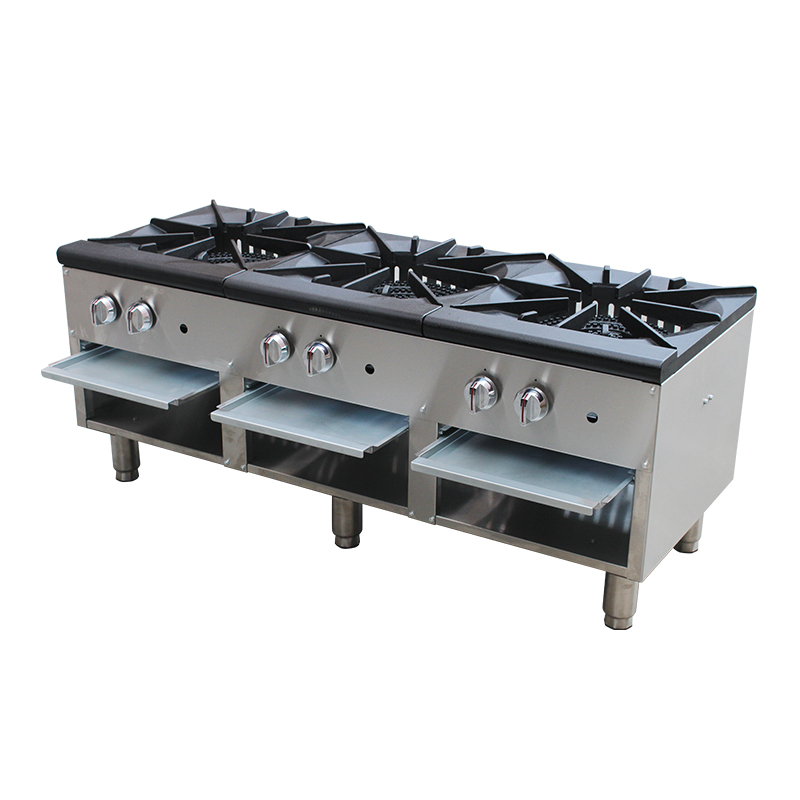
Originally popularized in Chinese cuisine for dishes like steamed rice with chicken, preserved duck, and braised pork belly, claypot steamers have long been cherished for their ability to lock in moisture, intensify flavors, and deliver a unique earthy aroma. However, until recently, their adoption in North America remained limited due to concerns over durability, consistency, and scalability. That’s changing—thanks to a new generation of commercial-grade claypot steamers engineered specifically for restaurant use.
Manufacturers such as **Huangshan Kitchen Systems (Canada)** and **CulinaryTech Solutions (U.S.)** have developed robust, industrial-strength models that combine traditional ceramic pots with modern heating elements, precise temperature controls, and automated timers. These units now feature non-stick ceramic linings, heat-resistant seals, and modular designs allowing for multi-pot operations—perfect for high-volume kitchens.
“Traditionally, claypots were seen as fragile and inconsistent,” says Chef Lin Mei, head of menu development at *Dragon’s Hearth*, a fast-casual chain with 12 locations across Ontario and the Pacific Northwest. “But our new 8-pot commercial claypot steamer from Huangshan delivers consistent results every time—no burning, no uneven cooking. It’s like having a slow cooker with the soul of a wok.”
The appeal lies not just in performance, but in flavor. Unlike conventional steamers that can dilute taste through excessive moisture, claypot steamers create a natural vacuum effect. As steam circulates within the sealed ceramic pot, it gently infuses ingredients with rich, layered aromas—especially effective when using bone-in meats, aromatic herbs, or fermented sauces. Dishes like *Lion’s Head Meatballs in Claypot* or *Hong Kong-style Rice Porridge* now stand out on menus, drawing attention from both customers and critics alike.
Beyond taste, sustainability is a major driver behind the surge in popularity. According to a 2023 report by the National Restaurant Association, 68% of North American chefs cite environmental impact as a top consideration when selecting kitchen equipment. Claypot steamers offer a compelling solution: they operate at lower temperatures than standard ovens (typically between 160–200°F), consume up to 40% less energy, and require no additional water reservoirs. Their thermal mass also reduces peak power demands—a key benefit for kitchens aiming to meet green certification standards like LEED or Green Restaurant Association (GRA) benchmarks.
Moreover, the aesthetic appeal of claypot cooking enhances the dining experience. Many restaurants now feature open-kitchen displays where claypot dishes are brought to the table still sizzling, creating an immersive sensory moment. At *Wok & Flame* in Seattle, guests watch as a chef lifts a steaming lid to reveal a bubbling claypot of Sichuan-style hot and sour soup—its fragrant steam filling the air. “It’s storytelling through food,” says owner Marcus Lee. “People don’t just eat—they witness the craft.”
The trend is also gaining momentum beyond Chinese cuisine. Chefs across Latin American, Mediterranean, and even Southern U.S. kitchens are experimenting with claypot techniques. A Brooklyn-based fusion bistro uses claypots to slow-cook barbacoa-style lamb with epazote and orange zest, while a Toronto-based vegan restaurant employs them for hearty lentil stews infused with smoked paprika and coconut milk.
Despite growing demand, challenges remain. Training staff to handle delicate ceramic vessels safely, ensuring proper cleaning protocols, and managing breakage risks are ongoing considerations. To address this, manufacturers now offer training modules, reinforced packaging, and extended warranty programs. Some models even integrate IoT sensors that monitor internal temperature and alert operators if a pot is overheating or undercooked.
Looking ahead, industry experts predict that claypot steamers will become a staple in commercial kitchens within the next five years. “We’re seeing a return to craftsmanship,” says Dr. Elena Torres, a food systems analyst at the University of British Columbia. “Technology isn’t replacing tradition—it’s amplifying it. The claypot steamer is proof that old wisdom, combined with modern engineering, can drive innovation in unexpected ways.”
For North American chefs seeking to differentiate their offerings, elevate flavor profiles, and reduce environmental impact, the humble claypot may just be the most revolutionary piece of equipment in the kitchen. As one chef put it: “It doesn’t cook faster—but it cooks deeper. And that’s what customers remember.”
————————————
We are a professional manufacturer of Commercial Refrigerator and have extensive experience in the manufacturing of Bakery Equipment ,We also produce Western Kitchen Equipment.
Our wide range of products includes commercial refrigerators with excellent refrigeration and Steamed Rice Cabinet for different scenarios.
In addition, we also provide High Temperature Intelligent Disinfection Cabinet with intelligent control of high temperature and launch restaurant Warmer Dining Cart with excellent thermal insulation performance.
In the bakery industry, our equipment is trusted by customers, such as high capacity Commercial Oven For Bakery, and advanced Spiral Dough Mixer .We also provide stable Electric Dough Fermenting Proofer to meet the stringent requirements of different customers for the baking process.
