

In recent years, the European commercial kitchen landscape has undergone a quiet but significant revolution—one driven by demand for healthier, more sustainable, and higher-quality meal production. At the heart of this shift is the rising adoption of commercial steam rice cookers, which are increasingly becoming indispensable tools in restaurants, hotel kitchens, school cafeterias, and corporate dining facilities across Germany, France, Italy, Spain, and Scandinavia.
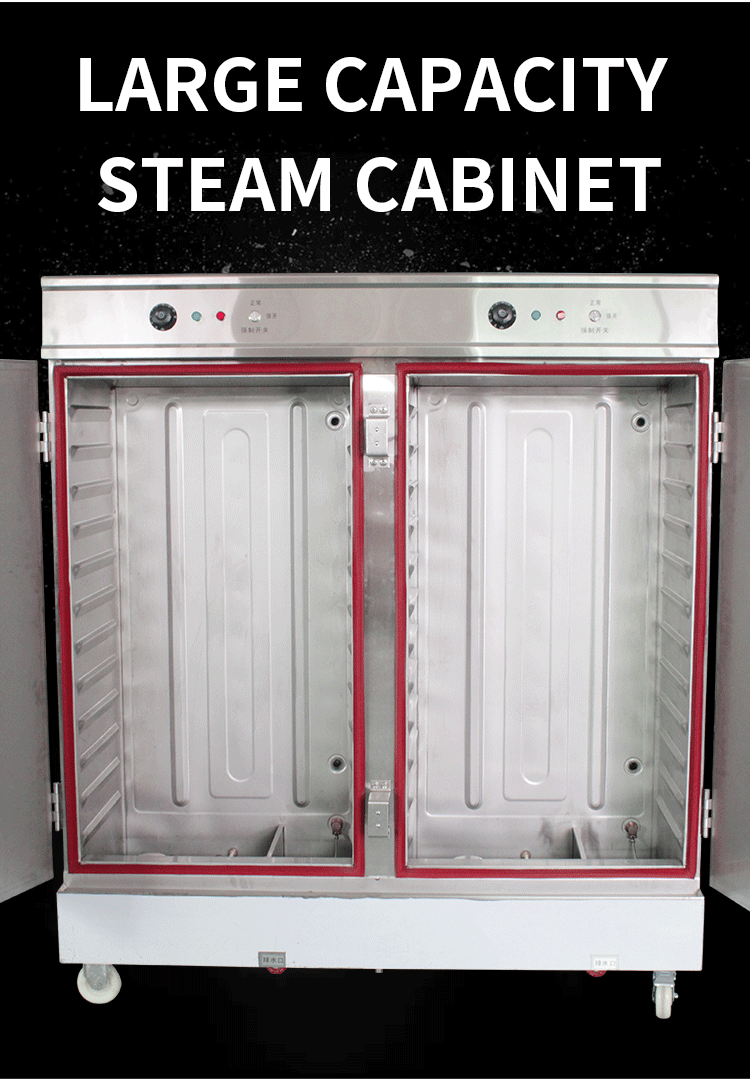
Unlike traditional rice cookers that rely on boiling or pressure methods, commercial steam rice cookers utilize controlled steam infusion to gently cook rice and other grains. This method preserves nutrients, enhances texture, and ensures consistent results—critical factors for chefs aiming to meet the evolving expectations of health-conscious consumers across Europe.
One of the most compelling advantages of steam rice cookers is their energy efficiency. According to a 2023 study by the European Energy Research Alliance (EERA), steam-based cooking systems consume up to 30% less energy than conventional electric or gas-powered alternatives. In an era where carbon footprint reduction is a top priority—especially under the EU Green Deal and Fit for 55 initiatives—this efficiency makes steam cookers not just a culinary upgrade, but a strategic environmental investment.
“Switching to steam rice cookers has been one of our most impactful steps toward sustainability,” said Clara Dubois, Head Chef at Le Jardin Éco, a Parisian bistro specializing in organic, locally sourced cuisine. “We’ve cut our kitchen’s energy usage by nearly 25% while improving the consistency and flavor of our dishes. Plus, there’s no risk of burnt rice or uneven cooking—something we used to struggle with.”
Beyond efficiency, hygiene stands out as a major selling point. The closed-system design of commercial steam cookers minimizes contamination risks and eliminates the need for open flames or direct contact with heating elements. This aligns perfectly with the EU’s strict food safety regulations, including Regulation (EC) No 178/2002 on general principles of food law and HACCP guidelines. With built-in sanitation cycles and easy-to-clean stainless steel interiors, these units support clean, traceable kitchen operations—essential for audits and certifications.
The scalability of steam rice cookers also appeals to diverse establishments. From compact countertop models ideal for small bistros to large-scale industrial units capable of cooking hundreds of kilograms per hour, manufacturers like Gorenje, Miele, and Wolf have tailored solutions for every segment. Modular designs allow seamless integration into existing kitchen layouts, supporting the trend toward flexible, space-efficient kitchen planning.
Moreover, smart technology integration is elevating the user experience. Many new models now feature IoT connectivity, remote monitoring via mobile apps, automated recipe programming, and real-time energy tracking. These features empower kitchen managers to optimize workflows, reduce waste, and maintain peak performance—particularly valuable in high-volume environments such as university dining halls or hospital kitchens.
Market data from Statista confirms the momentum: the European commercial steam cooking equipment market is projected to grow at a CAGR of 7.4% from 2023 to 2030, with steam rice cookers accounting for nearly 40% of the segment’s expansion. Countries like Germany and the Netherlands lead in early adoption, thanks to strong government incentives for green kitchen upgrades and robust vocational training programs in sustainable culinary practices.
Despite initial concerns over higher upfront costs, operators report quick payback periods—often within two to three years—due to savings in energy, labor, and food waste. Additionally, many European governments and regional authorities now offer subsidies or tax breaks for businesses investing in energy-efficient kitchen technologies, further accelerating adoption.
Looking ahead, industry experts predict that steam rice cookers will evolve into multi-functional platforms. Future models may integrate steaming capabilities for vegetables, proteins, and even pastries, transforming them into central hubs within the kitchen ecosystem. Some prototypes already include AI-driven ingredient recognition and predictive maintenance alerts—ushering in a new era of intelligent, self-optimizing kitchen appliances.
“The future of professional cooking in Europe isn’t just about taste—it’s about responsibility,” said Dr. Lars Hoffmann, Director of Culinary Innovation at the Frankfurt Institute of Sustainable Gastronomy. “Steam rice cookers represent a perfect convergence of tradition, technology, and sustainability. They honor the craft of cooking while preparing kitchens for a greener, smarter future.”
As Europe continues its journey toward climate neutrality by 2050, the humble steam rice cooker is proving to be far more than just a kitchen appliance—it’s a symbol of progress, precision, and purpose in the world of food service.
————————————
We are a professional manufacturer of Commercial Refrigerator and have extensive experience in the manufacturing of Bakery Equipment ,We also produce Western Kitchen Equipment.
Our wide range of products includes commercial refrigerators with excellent refrigeration and Steamed Rice Cabinet for different scenarios.
In addition, we also provide High Temperature Intelligent Disinfection Cabinet with intelligent control of high temperature and launch restaurant Warmer Dining Cart with excellent thermal insulation performance.
In the bakery industry, our equipment is trusted by customers, such as high capacity Commercial Oven For Bakery, and advanced Spiral Dough Mixer .We also provide stable Electric Dough Fermenting Proofer to meet the stringent requirements of different customers for the baking process.
