

The North American commercial oven market is experiencing unprecedented growth, fueled by a surge in restaurant expansion, increasing demand for automated kitchen solutions, and a growing emphasis on energy efficiency and sustainability. According to recent data from Grand View Research, the commercial oven segment in the U.S. and Canada is projected to grow at a compound annual growth rate (CAGR) of 6.8% through 2030, reaching a valuation of over $1.4 billion by 2030.
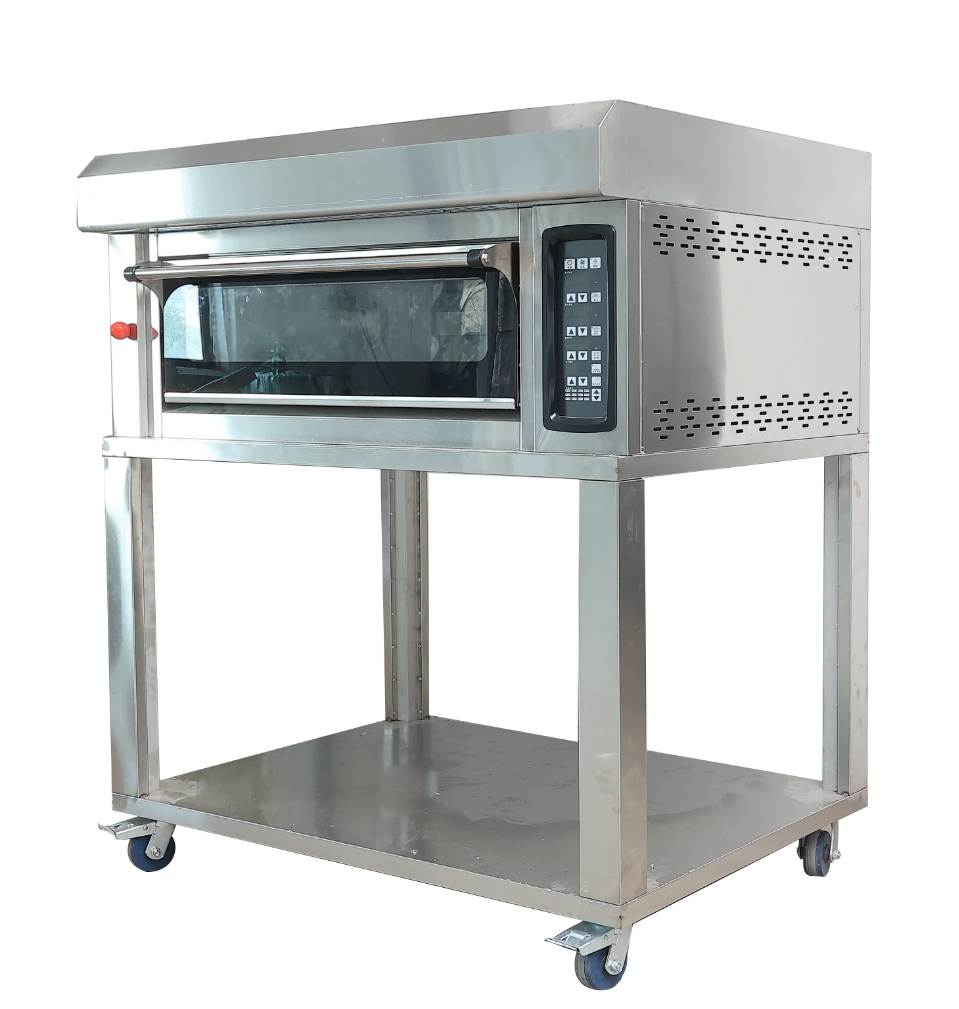
This upward trend reflects broader shifts in the foodservice industry. As restaurants recover from pandemic-related disruptions, operators are investing in modern kitchen equipment that enhances productivity, reduces operational costs, and supports scalable growth. Among these investments, commercial ovens—particularly electric models—are emerging as essential tools for everything from quick-service chains to artisanal bakeries and hotel kitchens.
One of the key drivers behind this boom is the rise of automation and smart kitchen technology. Leading brands such as Hobart, Wolf, Viking Commercial, and Maytag have introduced next-generation commercial ovens equipped with IoT-enabled controls, programmable cooking profiles, and real-time monitoring systems. These features allow chefs to standardize recipes, minimize human error, and track energy usage—all critical in environments where consistency and speed are paramount.
“Today’s commercial oven isn’t just about heating food—it’s about intelligence,” said Sarah Lin, Director of Product Development at a major U.S.-based equipment manufacturer. “Our latest models integrate with kitchen management software, enabling remote temperature adjustments, predictive maintenance alerts, and even inventory tracking based on oven usage patterns.”
Energy efficiency has also become a top priority. With rising utility costs and mounting pressure to reduce carbon footprints, commercial kitchens are increasingly opting for induction-based and high-efficiency electric ovens. Unlike traditional gas-fired ovens, electric models offer faster heat-up times, more precise temperature control, and lower emissions—making them ideal for urban kitchens and environmentally conscious operators.
In Canada, where building codes are becoming stricter around energy consumption, many new commercial kitchens now require ovens with ENERGY STAR certification or equivalent performance standards. This regulatory push, combined with federal incentives for green retrofits, has accelerated adoption rates in provinces like Ontario and British Columbia.
Another notable trend is the customization of oven design to fit diverse kitchen layouts. Modular oven systems—stackable, compact, and adaptable—allow small- and medium-sized operators to maximize limited floor space without sacrificing functionality. For instance, multi-zone convection ovens can simultaneously bake pastries, roast meats, and steam vegetables, streamlining workflow in tight quarters.
Bakeries, in particular, have embraced these innovations. Artisan bread makers and specialty pastry shops are turning to commercial ovens with steam injection capabilities and humidity control, which are crucial for achieving the perfect crust and crumb structure. Companies like Baking Equipment Technologies (BET) and Koenig & Bauer have reported a 40% increase in orders for their professional-grade ovens since 2022.
Meanwhile, quick-service restaurants (QSRs) are leveraging commercial ovens to expand their menu offerings beyond fried or grilled items. Chain operators like Chipotle and Panera Bread are integrating ovens into their kitchens to prepare fresh-baked wraps, roasted vegetables, and whole-grain flatbreads—catering to health-conscious consumers who value both taste and nutritional transparency.
Beyond hardware, service and support are becoming differentiators in the competitive landscape. Manufacturers are offering extended warranties, on-site training programs, and digital troubleshooting platforms. “It’s not just about selling an oven,” noted Mark Thompson, Vice President of Sales at a leading Canadian distributor. “It’s about delivering a complete kitchen solution that helps our clients succeed long-term.”
Looking ahead, experts predict continued innovation in materials, AI-driven cooking algorithms, and hybrid oven systems that combine baking, grilling, and roasting functions. There’s also growing interest in sustainable packaging integration—ovens that can safely handle compostable or biodegradable containers used in eco-friendly dining initiatives.
As North American kitchens evolve toward smarter, greener, and more efficient operations, the commercial oven stands at the heart of this transformation. Whether in a bustling downtown bistro, a suburban family diner, or a large-scale catering facility, the modern commercial oven is no longer just a piece of equipment—it’s a strategic asset driving culinary excellence, operational efficiency, and environmental responsibility.
For operators navigating today’s complex foodservice environment, investing in advanced commercial ovens is no longer optional. It’s a necessity for staying competitive, meeting consumer expectations, and building resilient, future-ready kitchens.
————————————
We are a professional manufacturer of Commercial Refrigerator and have extensive experience in the manufacturing of Bakery Equipment ,We also produce Western Kitchen Equipment.
Our wide range of products includes commercial refrigerators with excellent refrigeration and Steamed Rice Cabinet for different scenarios.
In addition, we also provide High Temperature Intelligent Disinfection Cabinet with intelligent control of high temperature and launch restaurant Warmer Dining Cart with excellent thermal insulation performance.
In the bakery industry, our equipment is trusted by customers, such as high capacity Commercial Oven For Bakery, and advanced Spiral Dough Mixer .We also provide stable Electric Dough Fermenting Proofer to meet the stringent requirements of different customers for the baking process.
