

Australia’s commercial foodservice sector is undergoing a quiet but transformative revolution—one powered by electricity. In recent months, a growing number of restaurants, cafes, hotels, and institutional kitchens have made the switch from traditional gas-powered ovens to state-of-the-art electric models, marking a pivotal shift toward cleaner, smarter, and more sustainable cooking practices.
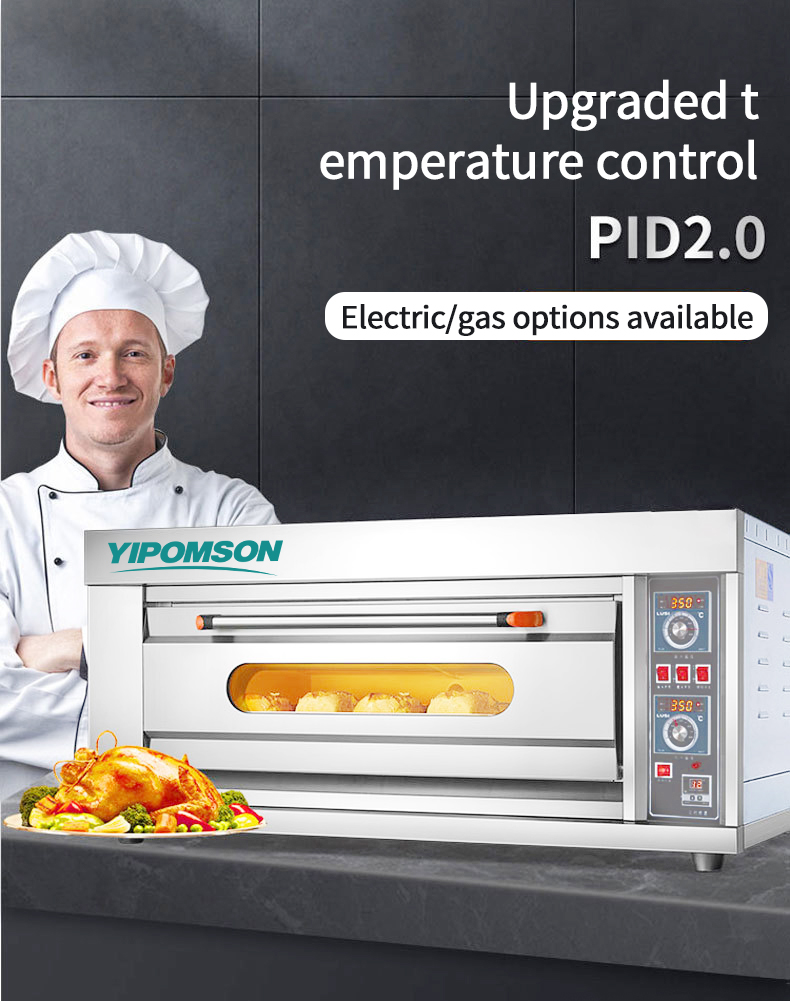
The transition is driven by multiple factors: rising gas prices, stricter emissions regulations, government incentives for green upgrades, and evolving consumer demand for environmentally responsible businesses. At the forefront of this change is the modern commercial electric oven—a sophisticated appliance blending precision engineering with intelligent automation.
Leading manufacturers such as Electrolux Professional, Miele Commercial, and Australian-based innovator Heatwave Solutions have introduced next-generation electric ovens designed specifically for high-volume kitchens. These units feature induction heating, advanced temperature control systems, rapid preheating (up to 30% faster than gas counterparts), and real-time monitoring via integrated IoT platforms. Some models even come equipped with AI-driven recipe memory and predictive maintenance alerts, helping chefs maintain consistency while minimizing waste and downtime.
One standout example is the new "EcoTherm Pro" series launched by Heatwave Solutions earlier this year. The oven uses dual-zone heating with independent temperature zones, allowing kitchens to bake bread, roast meats, and grill vegetables simultaneously—all with minimal energy loss. According to internal testing, the EcoTherm Pro reduces energy consumption by up to 40% compared to standard gas ovens, while delivering superior heat distribution and moisture retention—critical for achieving consistent results in professional kitchens.
“Switching to electric wasn’t just about being greener,” said Sarah Lin, head chef at Melbourne’s acclaimed Bistro Lume. “It was about performance, cost control, and future-proofing our business. Our new electric oven has cut our monthly energy bills by nearly 50%, and we’ve seen a noticeable improvement in product quality—especially with delicate pastries and evenly roasted proteins.”
Beyond financial and culinary benefits, the move to electric ovens aligns with national climate targets. Australia aims to reduce greenhouse gas emissions by 43% below 2005 levels by 2030, and the commercial sector accounts for around 18% of the nation’s total emissions. By replacing gas-fired equipment with electric alternatives—particularly when paired with renewable energy sources—businesses can significantly lower their carbon footprint.
Moreover, electric ovens eliminate the need for complex gas piping and ventilation systems, simplifying kitchen design and improving indoor air quality. This is especially beneficial in urban centers like Sydney and Brisbane, where space constraints and strict building codes make retrofitting kitchens challenging.
The Australian government has also stepped in to support the transition. Through the Clean Energy Finance Corporation (CEFC) and various state-level grants, businesses can access low-interest loans and rebates covering up to 30% of the upfront cost of upgrading to electric equipment. In Victoria, for instance, the "Green Kitchen Upgrade Program" has already funded over 200 installations since 2022.
Industry experts predict that by 2027, over 60% of new commercial kitchen builds across Australia will be fully electric, with gas installations becoming increasingly rare. “We’re not just moving away from gas—we’re moving toward smarter, more resilient kitchens,” said Dr. James Carter, sustainability lead at the Australian Institute of Culinary Innovation. “Electric ovens are no longer a niche option; they’re the new standard.”
However, challenges remain. The upfront cost of high-end electric ovens still deters some small operators, and concerns about grid reliability during peak demand periods persist. To address these issues, manufacturers are partnering with energy providers to offer bundled solutions that include solar integration and battery storage. Some models now support load-shifting capabilities, automatically running during off-peak hours when electricity is cheaper and greener.
Looking ahead, the future of commercial ovens in Australia lies in connectivity and adaptability. Smart ovens are expected to integrate seamlessly with kitchen management systems, enabling remote diagnostics, automated inventory tracking, and real-time energy reporting—essential tools for compliance and operational transparency.
As the foodservice industry continues to evolve, one thing is clear: the electric oven is no longer just a cooking appliance—it’s a cornerstone of Australia’s sustainable culinary future. From bustling city bistros to regional school cafeterias, the hum of an electric oven is now a symbol not just of flavor, but of responsibility.
With innovation accelerating and market momentum building, the message is unmistakable: in Australia’s kitchens, the future is electric—and it’s deliciously green.
————————————
We are a professional manufacturer of Commercial Refrigerator and have extensive experiencein the manufacturing of Bakery Equipment ,We also produce Western Kitchen Equipment.
Our wide range of products includes commercial refrigerators with excellent refrigeration and Steamed Rice Cabinet for different scenarios.
In addition, we also provide High Temperature Intelligent Disinfection Cabinet with intelligent control of high temperature and launch restaurant Warmer Dining Cart with excellent thermal insulation performance.
In the bakery industry, our equipment is trusted by customers, such as high capacity Commercial Oven For Bakery, and advanced Spiral Dough Mixer .We also provide stable Electric Dough Fermenting Proofer to meet the stringent requirements of different customers for the baking process.
