

In recent years, Southeast Asia has emerged as one of the most dynamic regions for commercial foodservice growth, with a booming restaurant and café culture, rapid urbanization, and increasing disposable incomes reshaping consumer habits. At the heart of this culinary transformation lies a quiet but powerful revolution: the widespread adoption of commercial electric ovens across Thailand, Vietnam, Indonesia, the Philippines, and beyond.
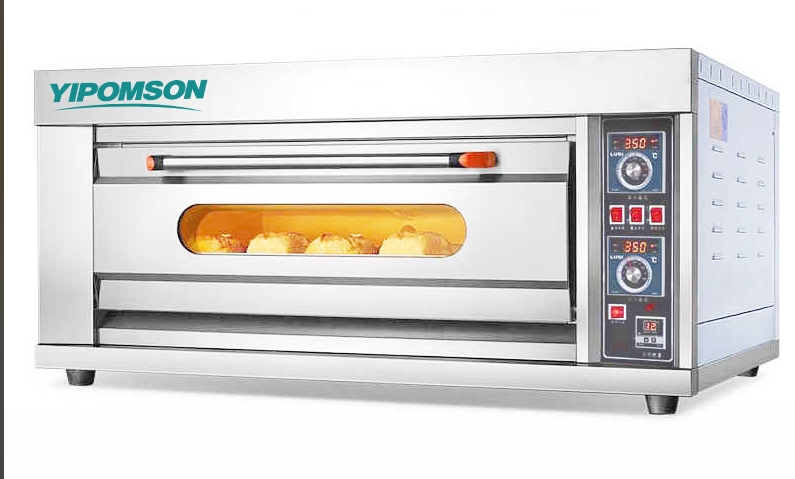
According to a 2023 report by Grand View Research, the commercial kitchen equipment market in Southeast Asia is projected to grow at a compound annual growth rate (CAGR) of over 8% through 2030, with electric ovens leading the charge. This surge is fueled not only by expanding food businesses but also by evolving customer expectations for quality, consistency, and speed—factors that modern electric ovens are uniquely equipped to deliver.
"Electric ovens have become indispensable in our commercial kitchens," says Nila Wijaya, head chef and owner of *Bakery Horizon*, a chain of artisanal cafes operating in Jakarta and Surabaya. "We used to rely on gas ovens, but they were inconsistent, required more maintenance, and posed safety concerns. Switching to digital electric ovens gave us precise temperature control, faster preheating, and cleaner operations—especially important in our high-volume morning rushes."
The shift toward electric ovens is particularly pronounced in the region’s growing bakery and dessert segment. From Vietnamese *bánh mì* shops requiring consistent bread baking to Thai *mango sticky rice* pastry lines and Filipino *pandesal* producers scaling up production, electric ovens offer reliable performance even under heavy daily use. Their ability to maintain uniform heat distribution ensures that every batch of croissants, baguettes, or pastries comes out perfectly golden—critical for brand consistency.
Moreover, sustainability is a growing concern among operators. Many new electric ovens now feature energy-efficient heating elements, programmable timers, and smart sensors that reduce power consumption by up to 30% compared to older models. In countries like Thailand and Singapore, where energy costs are rising, these savings are a major selling point.
“Energy efficiency isn’t just about cost—it’s about responsibility,” explains Arif Rahman, a commercial kitchen consultant based in Kuala Lumpur. “Businesses want to reduce their carbon footprint without sacrificing output. Modern electric ovens with eco-modes and thermal insulation help them do both.”
“In a franchise model, consistency is everything,” says Dina Lim, operations manager for a popular bubble tea chain with over 120 outlets across Southeast Asia. “With smart electric ovens, we can program exact bake times and temperatures, track usage patterns, and even receive alerts if something goes wrong. It reduces human error and boosts operational efficiency.”
Beyond bakeries and cafes, hotels and catering services are also upgrading their kitchens. Luxury resorts in Bali and Phuket now feature industrial-grade electric ovens capable of handling large-scale roasting, grilling, and convection baking—essential for buffet service and fine dining experiences. Similarly, corporate canteens and university dining halls are investing in modular electric oven systems to prepare diverse, healthy meals efficiently.
Despite the clear advantages, challenges remain. Initial investment costs for high-end electric ovens can be steep, particularly for small and medium-sized enterprises (SMEs). However, financing options, government incentives for green technology, and rental programs offered by equipment suppliers are helping bridge the gap.
Looking ahead, experts predict continued innovation in the commercial oven space. Emerging trends include AI-powered predictive maintenance, self-cleaning surfaces, and hybrid models combining electric heating with steam functions for enhanced versatility. As Southeast Asia’s food culture becomes more sophisticated and globalized, the demand for precision, hygiene, and scalability will only intensify.
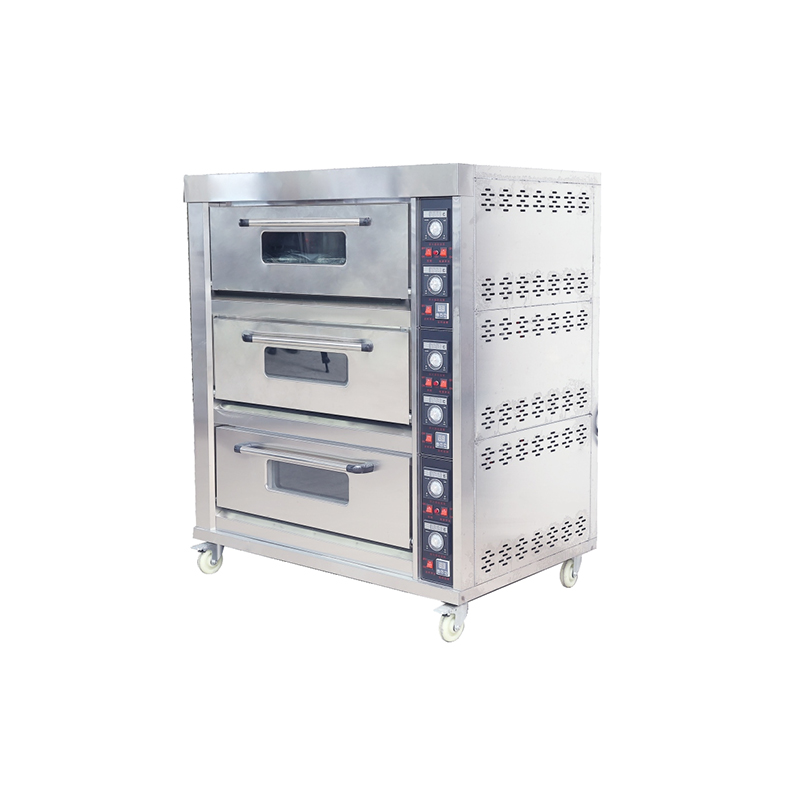
“The commercial oven is no longer just a piece of equipment—it’s a strategic asset,” concludes Dr. Lina Tran, food technology analyst at ASEAN Culinary Futures. “For restaurants, bakeries, and caterers aiming to thrive in this competitive landscape, investing in advanced electric ovens isn’t optional. It’s essential.”
With its vibrant economy, youthful population, and appetite for innovation, Southeast Asia is poised to become a global hub for commercial kitchen technology—and the electric oven is at the center of it all.
————————————
We are a professional manufacturer of Commercial Refrigerator and have extensive experience in the manufacturing of Bakery Equipment ,We also produce Western Kitchen Equipment.
Our wide range of products includes commercial refrigerators with excellent refrigeration and Steamed Rice Cabinet for different scenarios.
In addition, we also provide High Temperature Intelligent Disinfection Cabinet with intelligent control of high temperature and launch restaurant Warmer Dining Cart with excellent thermal insulation performance.
In the bakery industry, our equipment is trusted by customers, such as high capacity Commercial Oven For Bakery, and advanced Spiral Dough Mixer .We also provide stable Electric Dough Fermenting Proofer to meet the stringent requirements of different customers for the baking process.
