

The North American commercial kitchen landscape is undergoing a quiet revolution—one powered by steam. As demand for faster, cleaner, and more sustainable food service solutions rises, commercial steamer ovens are rapidly gaining traction across restaurants, hotels, hospitals, schools, and corporate cafeterias. Industry analysts predict that the market for commercial steam cooking equipment in North America will grow at a compound annual rate of 8.3% through 2030, driven by technological advancements, rising labor costs, and heightened consumer awareness around health and sustainability.
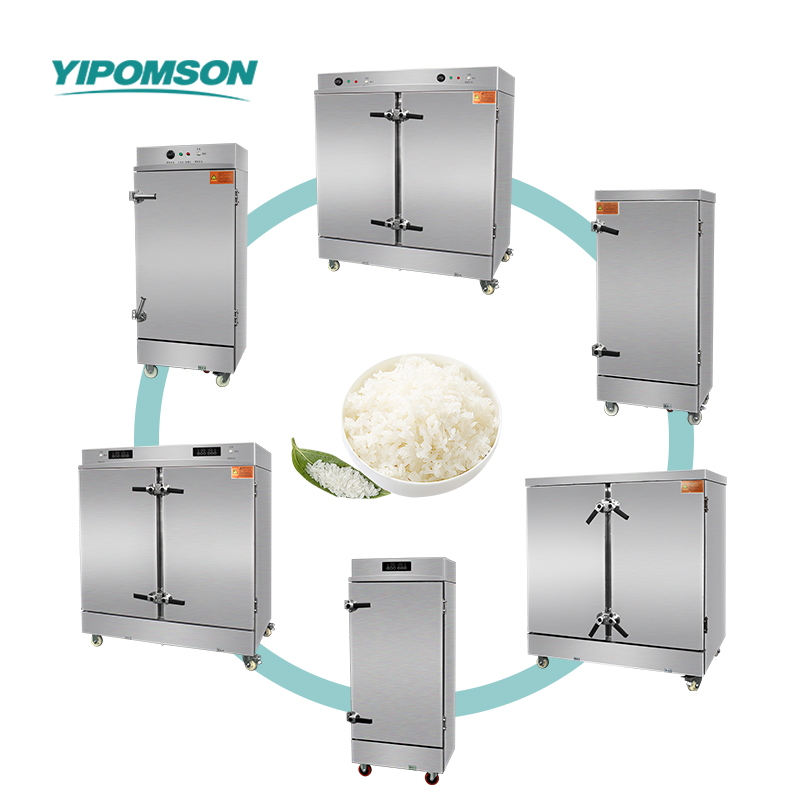
Unlike traditional ovens or stovetop methods, commercial steamers preserve nutrients, enhance textures, and significantly reduce cooking time. They achieve this by using controlled steam to cook food evenly and quickly—without drying it out. This makes them ideal for preparing large volumes of rice, vegetables, proteins, and baked goods with minimal effort and maximum consistency.
“Steam cooking isn’t just a trend—it’s a necessity,” said Maria Thompson, head chef at GreenLeaf Bistro in Portland, Oregon. “We serve over 500 meals daily, and we needed a system that could maintain quality while cutting down on prep time. Since switching to a multi-tier commercial steamer oven, our food consistency has improved dramatically, and we’ve reduced kitchen staff burnout by up to 40%.”
One of the key drivers behind the surge in adoption is the integration of smart technology. Modern commercial steamers now feature touchscreen interfaces, IoT connectivity, pre-programmed recipes, remote monitoring, and automatic cleaning cycles. These features not only simplify operation but also enable real-time performance tracking and maintenance alerts—critical for busy kitchens operating on tight schedules.
Sustainability is another major factor. According to a 2023 report by the National Restaurant Association, 67% of consumers say they’re more likely to support restaurants that prioritize eco-friendly practices. Steam cooking reduces water usage by up to 50% compared to boiling, minimizes food waste (since food retains moisture and doesn’t overcook), and eliminates the need for oils and fats—lowering both operational costs and environmental impact.
School districts are among the most enthusiastic adopters. In California’s San Diego Unified School District, over 120 new commercial steamers were installed last year across elementary and middle schools. The goal? To provide healthier, more nutritious meals while reducing reliance on processed foods. “Steam-cooked vegetables retain their color, texture, and vitamins,” said Superintendent Linda Chen. “Students are eating more veggies now, and our kitchen teams appreciate the ease of use and clean-up.”
Hotels and catering services are also reaping benefits. At the Grand Oak Resort in Toronto, a newly installed 16-tray steamer oven allows the kitchen to prepare hundreds of servings of steamed rice, dumplings, and seafood dishes in under 15 minutes—perfect for buffets and banquet events. “It’s been a game-changer,” said executive sous chef James Reed. “We’ve cut prep time by nearly half, and guests consistently praise the freshness and taste.”
Despite the clear advantages, some challenges remain. Initial investment costs can be high—ranging from $3,000 to $15,000 depending on size and features. However, payback periods are typically between two and three years due to energy savings, labor reduction, and increased throughput.
Additionally, training and cultural shifts are necessary. Many older kitchen staff are accustomed to traditional cooking methods and may resist change. Yet, manufacturers and distributors are stepping in with comprehensive onboarding programs, video tutorials, and live technical support.
Looking ahead, experts anticipate even greater innovation. Future models may include AI-driven recipe optimization, integration with inventory management software, and solar-powered variants tailored for off-grid or eco-conscious facilities.
“The future of commercial kitchens isn’t about replacing human skill—it’s about empowering it,” said Daniel Lopez, senior analyst at FoodTech Insights. “Steam ovens don’t replace chefs; they free them to focus on creativity, flavor development, and customer experience.”
As North America continues its shift toward smarter, greener, and more efficient foodservice operations, the commercial steamer oven stands out as a symbol of progress—one that cooks better, saves time, and respects both people and the planet.
For operators seeking to stay competitive, investing in steam technology isn’t just an upgrade—it’s a strategic move toward a more resilient, sustainable, and profitable future.
————————————
We are a professional manufacturer of Commercial Refrigerator and have extensive experience in the manufacturing of Bakery Equipment ,We also produce Western Kitchen Equipment.Our wide range of products includes commercial refrigerators with excellent refrigeration and Steamed Rice Cabinet for different scenarios.
In addition, we also provide High Temperature Intelligent Disinfection Cabinet with intelligent control of high temperature and launch restaurant Warmer Dining Cart with excellent thermal insulation performance.
In the bakery industry, our equipment is trusted by customers, such as high capacity Commercial Oven For Bakery, and advanced Spiral Dough Mixer .We also provide stable Electric Dough Fermenting Proofer to meet the stringent requirements of different customers for the baking process.
