

The Middle East’s commercial kitchen landscape is undergoing a significant technological evolution, fueled by growing demand for modern, efficient, and hygienic cooking equipment. Among the most sought-after innovations in recent years is the commercial steam rice cooker—a versatile, high-capacity appliance that is rapidly gaining traction across the Gulf Cooperation Council (GCC) countries and North Africa. With rising urbanization, expanding hospitality sectors, and heightened consumer expectations for food quality and safety, businesses are turning to steam cooking technology to streamline operations and enhance output consistency.
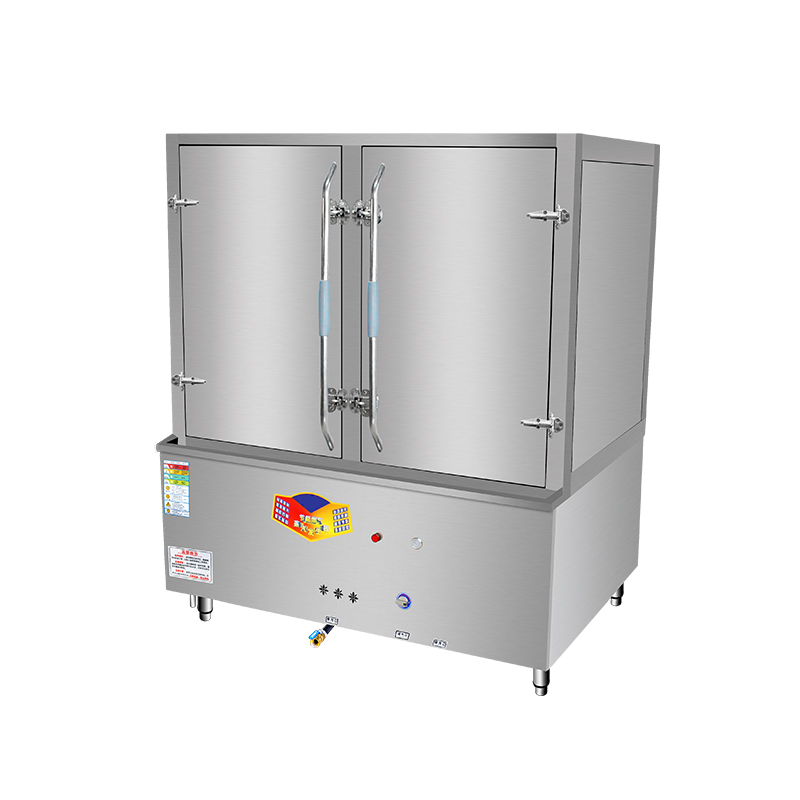
According to a 2024 report by Market Research Future, the commercial kitchen equipment market in the Middle East is projected to grow at a CAGR of 8.7% through 2030, with steam cooking appliances leading the charge. The surge in demand for commercial steam rice cookers can be attributed to several key factors: their ability to deliver large volumes of perfectly cooked rice in minutes, superior hygiene standards due to steam-based cooking (which minimizes cross-contamination), and energy efficiency compared to traditional stovetop or electric rice cookers.
One of the primary drivers behind this trend is the region’s booming hospitality and food service industry. From luxury hotel chains like Al Maha and Burj Al Arab to fast-casual dining concepts and large-scale catering operations serving corporate offices and schools, operators are increasingly investing in modular, smart kitchen systems that integrate steam cookers into automated workflows. For example, Dubai-based catering firm Al Fajer Catering recently upgraded its central kitchen with six multi-tier commercial steam rice cookers from Chinese manufacturer Hengtong, reducing cooking time by 40% while cutting energy consumption by nearly 30%.
“Steam cooking has revolutionized how we prepare staple dishes like biryani, pilaf, and plain rice,” said Ahmed Khalid, Operations Manager at Al Fajer. “With our new steam units, we now serve over 10,000 meals daily during peak seasons—especially during Ramadan—without compromising on texture or flavor. Plus, the reduced need for manual intervention means fewer staff errors and better compliance with health and safety regulations.”
Beyond efficiency and scalability, sustainability is another major selling point. Many new models feature intelligent temperature control, automatic water level sensors, and heat recovery systems that minimize energy waste. Some advanced units even come equipped with IoT connectivity, allowing remote monitoring via mobile apps to track usage, maintenance alerts, and energy consumption—key features for environmentally conscious brands aiming for ESG (Environmental, Social, and Governance) certification.
Regulatory bodies across the UAE, Saudi Arabia, and Egypt have also begun emphasizing food safety and hygiene standards in commercial kitchens. The use of steam cookers aligns with these mandates, as they eliminate open flames and reduce the risk of oil splatter or fire hazards—critical considerations in densely packed kitchen environments. Additionally, steam-cooked rice retains more nutrients and avoids the acrylamide formation associated with high-heat dry cooking methods.
Another factor fueling adoption is the rise of halal-certified and plant-based meal services. With an increasing number of Muslim-majority consumers seeking clean-label, allergen-free options, steam cookers provide a non-reactive, chemical-free cooking environment ideal for preparing sensitive ingredients without contamination risks.
Manufacturers are responding to regional preferences by offering customized solutions. In Saudi Arabia, where large-scale events like the Riyadh Season and Vision 2030 infrastructure projects drive demand for mass catering, companies like SABIC Kitchen Systems and Al Muhairi Appliances have introduced heavy-duty steam cookers designed for desert climate conditions—featuring reinforced insulation and dust-resistant components.
Looking ahead, experts predict that integration with AI-powered kitchen management platforms will further accelerate adoption. “We’re seeing a shift from standalone appliances to interconnected kitchen ecosystems,” explained Lina Hassan, a food technology analyst at Dubai-based Axiom Insights. “Future steam rice cookers won’t just cook rice—they’ll sync with inventory systems, suggest portion sizes based on reservation data, and even adjust cooking times based on ambient temperature changes in the kitchen.”
As the Middle East continues to position itself as a global hub for gastronomy, tourism, and innovation, the commercial steam rice cooker is no longer a niche product—it’s becoming a cornerstone of modern, future-ready kitchens. With its blend of efficiency, hygiene, sustainability, and scalability, this technology is helping shape a smarter, cleaner, and more resilient food service industry across the region.
For restaurant owners, hoteliers, and institutional caterers alike, investing in a commercial steam rice cooker isn’t just about upgrading equipment—it’s about redefining what’s possible in high-volume, high-quality food production. In a region where tradition meets innovation, steam cooking is proving to be both a nod to heritage and a leap toward tomorrow.
————————————
We are a professional manufacturer of Commercial Refrigerator and have extensive experience in the manufacturing of Bakery Equipment ,We also produce Western Kitchen Equipment.
Our wide range of products includes commercial refrigerators with excellent refrigeration and Steamed Rice Cabinet for different scenarios.
In addition, we also provide High Temperature Intelligent Disinfection Cabinet with intelligent control of high temperature and launch restaurant Warmer Dining Cart with excellent thermal insulation performance.
In the bakery industry, our equipment is trusted by customers, such as high capacity Commercial Oven For Bakery, and advanced Spiral Dough Mixer .We also provide stable Electric Dough Fermenting Proofer to meet the stringent requirements of different customers for the baking process.
