

Europe’s commercial kitchen landscape is undergoing a quiet but powerful transformation, fueled by the growing adoption of high-performance steam rice cookers. Once a niche product primarily used in Asian-style restaurants or large-scale catering operations, commercial steam rice cookers are now emerging as essential tools across diverse sectors—from hospital cafeterias and school meal programs to upscale hotels and fast-casual dining chains. Industry analysts predict a compound annual growth rate (CAGR) of 7.8% for the European commercial steam cooking equipment market through 2030, with steam rice cookers accounting for a significant share of this expansion.
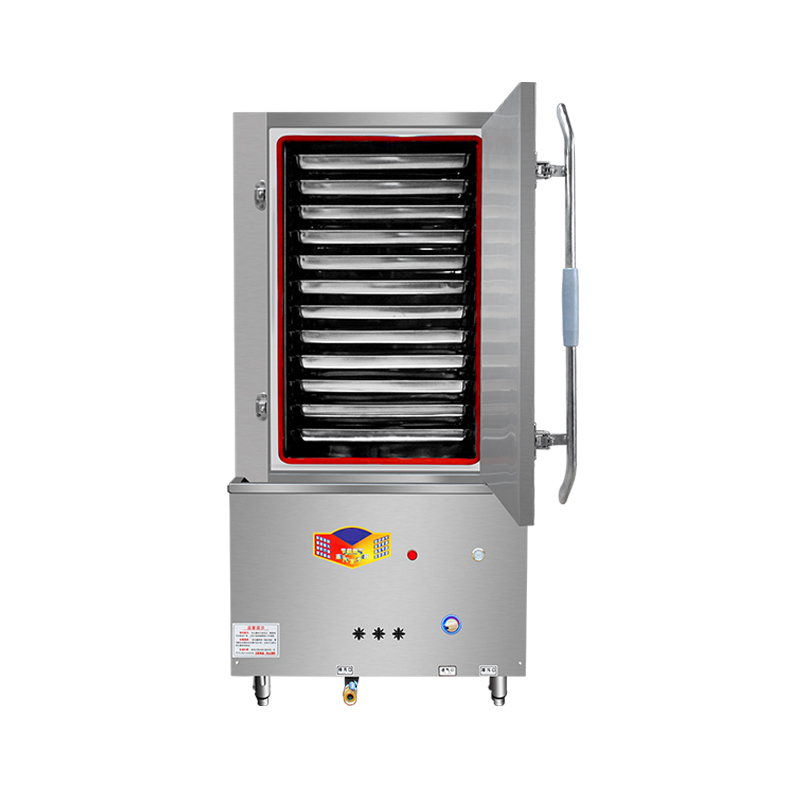
The shift is driven by several converging factors: tightening environmental regulations, rising energy costs, increasing consumer demand for healthier, more sustainable meals, and the need for operational efficiency in tight-margin food service environments. Unlike traditional electric or gas-powered rice cookers, modern commercial steam rice cookers offer superior heat distribution, precise temperature control, and minimal nutrient loss—ensuring consistently fluffy, evenly cooked rice without burning or overcooking.
One of the most compelling advantages is energy efficiency. According to a 2023 study by the European Energy Efficiency Network, steam rice cookers consume up to 40% less energy than conventional methods when processing large volumes. This is particularly impactful in high-turnover environments such as university dining halls or corporate canteens where hundreds of portions are prepared daily. The latest models integrate advanced insulation, condensation recovery systems, and smart controls that optimize water and steam usage—further reducing utility bills and carbon footprints.
“Sustainability isn’t just a buzzword anymore—it’s a business imperative,” says Dr. Lena Müller, head of foodservice innovation at Berlin-based culinary consultancy GreenPlate. “We’ve seen clients cut their kitchen energy consumption by nearly half simply by replacing old rice cookers with steam models. Plus, the consistency in food quality reduces waste and improves customer satisfaction.”
Beyond energy savings, steam cookers also enhance food safety and hygiene. Because they operate at high-temperature steam rather than open flame or direct contact heating, contamination risks are significantly reduced. Many models now comply with EU hygiene standards (EN 16727), including self-cleaning functions and stainless steel construction resistant to corrosion and bacterial buildup—critical features for hospitals and public institutions.
The hospitality sector has been among the fastest adopters. Major hotel chains like Accor and Marriott have begun integrating steam rice cookers into their central kitchens across France, Spain, and Scandinavia. “Our chefs appreciate the ability to prepare perfect basmati, jasmine, and short-grain rice every time—without constant supervision,” said Chef Thomas Laurent from a Parisian boutique hotel. “It frees up our staff to focus on more complex dishes while ensuring consistency across all outlets.”
Institutional buyers are also embracing the technology. In the UK, the National Health Service (NHS) piloted steam rice cookers in 12 regional hospitals in 2023, reporting a 35% reduction in kitchen-related incidents and a 28% drop in food preparation time. Similar initiatives are underway in Germany and the Netherlands, supported by national grants aimed at promoting green kitchen infrastructure.
Despite the clear benefits, challenges remain. High upfront costs—ranging from €1,200 to €5,000 depending on capacity—are a barrier for smaller operators. However, many manufacturers now offer leasing options, financing plans, and government incentives to ease the transition. Additionally, training staff to operate new equipment efficiently remains a hurdle.
Looking ahead, the future of commercial steam rice cookers lies in integration with broader smart kitchen ecosystems. Future models are expected to feature AI-driven recipe optimization, real-time inventory tracking, and predictive maintenance alerts—all designed to streamline operations and reduce downtime.
As Europe moves toward its 2050 climate neutrality goals, the commercial steam rice cooker is no longer a luxury—it’s a necessity. With proven performance, sustainability credentials, and technological sophistication, these devices are redefining what it means to cook efficiently in professional kitchens. For food service providers seeking to cut costs, improve quality, and meet environmental commitments, investing in a commercial steam rice cooker may well be one of the smartest decisions they make this decade.
————————————
We are a professional manufacturer of Commercial Refrigerator and have extensive experience in the manufacturing of Bakery Equipment ,We also produce Western Kitchen Equipment.Our wide range of products includes commercial refrigerators with excellent refrigeration and Steamed Rice Cabinet for different scenarios.
In addition, we also provide High Temperature Intelligent Disinfection Cabinet with intelligent control of high temperature and launch restaurant Warmer Dining Cart with excellent thermal insulation performance.
In the bakery industry, our equipment is trusted by customers, such as high capacity Commercial Oven For Bakery, and advanced Spiral Dough Mixer .We also provide stable Electric Dough Fermenting Proofer to meet the stringent requirements of different customers for the baking process.
