

In recent months, Southeast Asia’s commercial foodservice sector has witnessed a significant shift toward modern, energy-efficient cooking technologies—most notably, the widespread adoption of commercial steamer ovens. Once considered a niche product, these multi-functional appliances are now becoming essential tools in restaurants, canteens, hotels, and school meal programs across the region. The trend reflects a broader movement toward operational efficiency, food safety, and environmental sustainability in one of the world’s fastest-growing culinary markets.
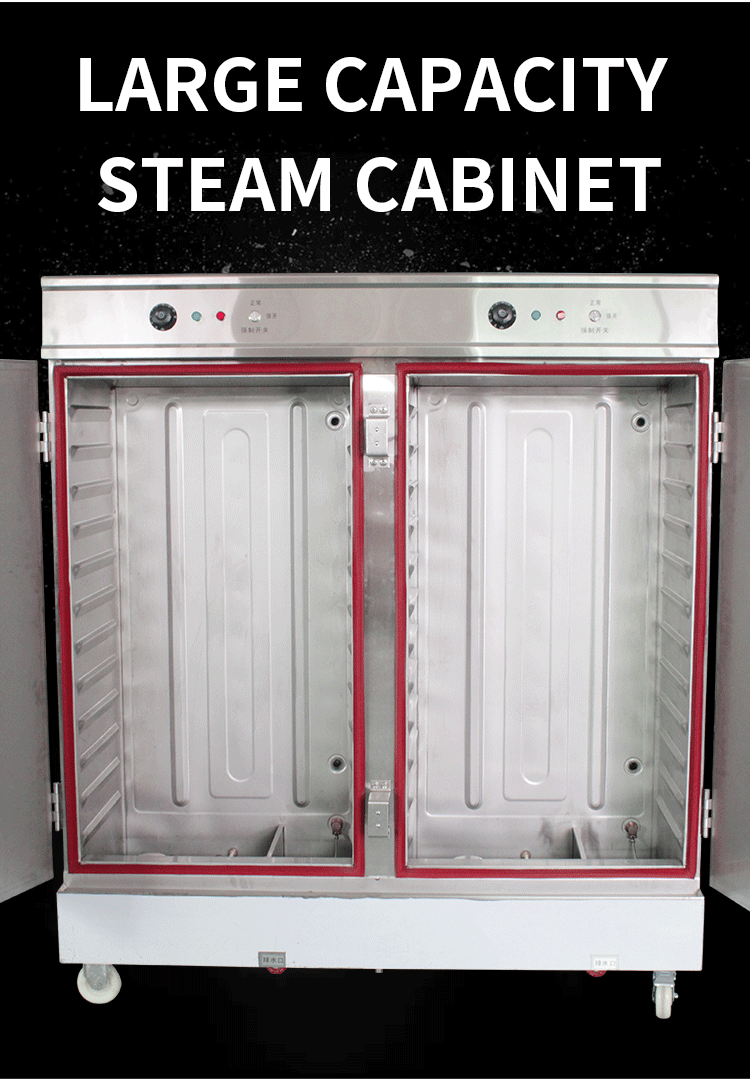
Driven by urbanization, rising disposable incomes, and an expanding middle class, demand for quality, consistent, and hygienic food preparation has skyrocketed. According to a 2024 report by Grand View Research, the Southeast Asian commercial kitchen equipment market is projected to grow at a compound annual growth rate (CAGR) of 8.6% through 2030, with steamers leading the charge. In particular, commercial steamer ovens—capable of cooking rice, vegetables, seafood, dumplings, and even baked goods—are proving ideal for diverse cuisines ranging from Thai curries to Vietnamese pho and Indonesian nasi campur.
One of the key advantages driving this adoption is energy efficiency. Unlike conventional gas stoves or electric pressure cookers, modern commercial steamers use up to 40% less energy while maintaining superior heat distribution and moisture control. This is especially critical in countries like Indonesia and the Philippines, where electricity costs remain volatile and power outages are common. Many new models now feature smart thermal insulation, automatic shut-off systems, and real-time energy monitoring via integrated digital dashboards.
“Steam cooking preserves nutrients, enhances flavor, and reduces food waste—key concerns for both chefs and customers,” said Lina Tan, operations manager at a chain of 15 family dining restaurants in Jakarta. “Our switch to commercial steamers reduced prep time by 30% and improved consistency across all locations. Plus, we’ve cut down on cleaning because there’s no splatter or burnt residue.”
Beyond efficiency, food safety and hygiene are major motivators. Steamers operate at temperatures that exceed bacterial kill thresholds without requiring direct contact with open flames or hot surfaces. This makes them compliant with international standards such as HACCP and ISO 22000—essential for export-oriented food businesses and large-scale catering operations. In Thailand, where tourism remains robust, many hotel kitchens have upgraded to stainless steel, multi-compartment steamers that allow simultaneous cooking of different dishes under controlled conditions.
Another emerging trend is modular kitchen design. As commercial spaces become more space-constrained—particularly in dense urban centers like Bangkok, Manila, and Ho Chi Minh City—kitchen planners are turning to compact, multi-use appliances. Commercial steamers fit seamlessly into these layouts, often combining steaming, baking, and warming functions in a single unit. This not only saves floor space but also reduces capital expenditure by eliminating the need for multiple standalone appliances.
Environmental consciousness is also playing a role. With increasing pressure from governments and consumers alike, foodservice operators are seeking ways to reduce their carbon footprint. Steamers produce zero emissions during operation and can be powered by renewable sources—making them a greener alternative to fossil-fuel-based cooking methods. In Singapore and Malaysia, government incentives now support the adoption of eco-friendly kitchen equipment, further accelerating uptake.
Looking ahead, experts predict continued innovation in smart features and connectivity. Future models may integrate AI-driven recipe suggestions, predictive maintenance alerts, and cloud-based inventory management. Additionally, as e-commerce and food delivery services expand across the region, the ability to prepare meals quickly and safely in bulk will remain a decisive factor.
“The future of commercial kitchens in Southeast Asia isn’t just about speed—it’s about precision, sustainability, and scalability,” said Dr. Arjun Patel, a food technology analyst at ASEAN Culinary Institute. “Steamers represent a perfect convergence of these values. They’re not just cooking appliances—they’re strategic assets for modern food businesses.”
As the region continues its rapid urban and economic transformation, the commercial steamer oven is no longer a luxury—it’s becoming a necessity. From bustling street stalls to five-star hotels, the humble steamer is quietly revolutionizing how food is prepared across Southeast Asia, one perfectly cooked batch of rice at a time.
————————————
We are a professional manufacturer of Commercial Refrigerator and have extensive experience in the manufacturing of Bakery Equipment ,We also produce Western Kitchen Equipment.Our wide range of products includes commercial refrigerators with excellent refrigeration and Steamed Rice Cabinet for different scenarios.
In addition, we also provide High Temperature Intelligent Disinfection Cabinet with intelligentcontrol of high temperature and launch restaurant Warmer Dining Cart with excellent thermal insulation performance.
In the bakery industry, our equipment is trusted by customers, such as high capacity Commercial Oven For Bakery, and advanced Spiral Dough Mixer .We also provide stableElectric Dough Fermenting Proofer to meet the stringent requirements of different customers for the baking process.
