

Southeast Asia’s commercial kitchen equipment market is witnessing unprecedented growth, driven by a surge in demand from restaurants, hotels, catering services, and institutional kitchens across countries like Indonesia, Thailand, Vietnam, Malaysia, the Philippines, and Singapore. According to a recent report by Grand View Research, the regional market is projected to grow at a compound annual growth rate (CAGR) of 8.7% from 2024 to 2030, reaching a valuation of over USD 12 billion by 2030.
This expansion is underpinned by several key factors. First, rapid urbanization has led to increased population density in major cities such as Jakarta, Bangkok, Ho Chi Minh City, and Manila, creating higher demand for dining-out options and convenience foods. Second, rising middle-class populations with greater disposable income are driving consumer preferences toward premium dining experiences—spurring investment in modern, efficient kitchen infrastructure.
A significant trend shaping the industry is the shift toward energy-efficient and environmentally sustainable equipment. With growing environmental awareness and stricter regulations on carbon emissions, kitchen operators are prioritizing appliances that reduce energy consumption and water usage. In response, leading manufacturers—including Midea, Electrolux Professional, and local players like PT Surya Cipta Prima in Indonesia—are launching new lines of induction cooktops, convection ovens, and refrigeration units certified under international standards such as ENERGY STAR and ISO 50001.
Smart kitchen technology is also gaining traction. Integrated IoT-enabled devices now allow chefs and kitchen managers to remotely monitor equipment performance, adjust temperatures in real time, and receive predictive maintenance alerts. For instance, Singapore-based startup KitchTech has developed an AI-powered kitchen management platform that connects multiple appliances, optimizing workflow efficiency and reducing food waste by up to 25%. Similar innovations are being adopted in Thai hotel chains and Vietnamese university cafeterias, where digital control systems streamline operations during peak hours.
Modular and space-saving kitchen designs are particularly popular in densely populated urban areas where floor space is limited and costly. Prefabricated kitchen modules—offering customizable layouts, built-in ventilation systems, and easy installation—are being widely adopted by fast-casual chains and food delivery startups. These solutions not only accelerate setup times but also ensure compliance with health and safety regulations, including HACCP (Hazard Analysis and Critical Control Points) standards.
Another emerging segment is the rise of multi-functional, compact equipment designed for small-to-medium enterprises (SMEs). In the Philippines, for example, local entrepreneurs running sari-sari stores or home-based food businesses are increasingly investing in compact fryers, combi ovens, and portable grills that deliver professional-grade results without requiring large kitchen spaces or extensive training.
Regional governments are also playing a supportive role. In Malaysia, the Ministry of Entrepreneurship and Cooperatives launched a grant program in 2023 to help SMEs upgrade their kitchen facilities with energy-efficient equipment. Similarly, Vietnam’s Ministry of Industry and Trade introduced incentives for businesses adopting green kitchen technologies, accelerating adoption rates in both private and public institutions.
Despite the positive momentum, challenges remain. Supply chain disruptions, fluctuating raw material prices, and uneven regulatory frameworks across different countries can hinder market integration. However, collaboration between regional trade bodies and equipment suppliers is helping bridge these gaps. The ASEAN Kitchen Equipment Association (AKEA), formed in 2022, now serves as a platform for standardization, knowledge sharing, and cross-border business development.
Looking ahead, experts predict continued innovation in automation, artificial intelligence, and sustainable materials. Future kitchen equipment may feature self-cleaning mechanisms, biodegradable components, and solar-powered operation—particularly in off-grid or rural settings.
“The future of commercial kitchens in Southeast Asia isn’t just about cooking faster or smarter—it’s about doing it sustainably,” said Dr. Lina Tan, a food systems analyst at the University of Singapore. “Consumers today don’t just want great meals—they want them produced responsibly.”
As the region’s foodservice landscape evolves, commercial kitchen equipment manufacturers are poised to play a pivotal role—not just as suppliers of tools, but as partners in building a more efficient, resilient, and eco-conscious culinary ecosystem.
With strong support from consumers, entrepreneurs, and policymakers alike, Southeast Asia’s kitchen revolution is no longer on the horizon—it’s already heating up.
————————————
We are a professional manufacturer of Commercial Refrigerator and have extensive experience in the manufacturing of Bakery Equipment ,We also produce Western Kitchen Equipment.Our wide range of products includes commercial refrigerators with excellent refrigeration and Steamed Rice Cabinet for different scenarios.
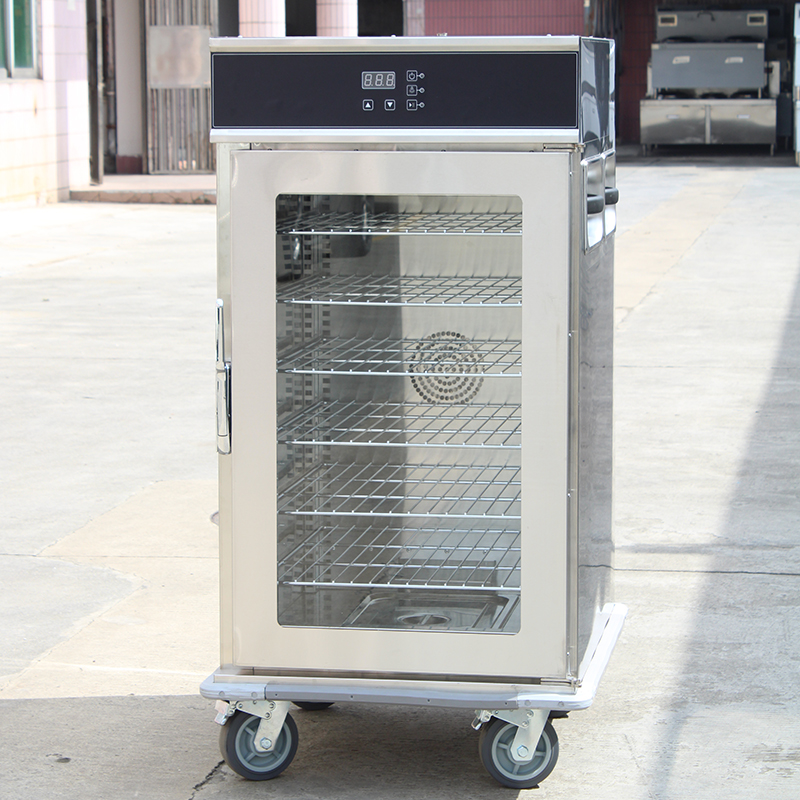
In addition, we also provide High Temperature Intelligent Disinfection Cabinet with intelligent control of high temperature and launch restaurant Warmer Dining Cart with excellent thermal insulation performance.
In the bakery industry, our equipment is trusted by customers, such as high capacity Commercial Oven For Bakery, and advanced Spiral Dough Mixer.We also provide stable Electric Dough Fermenting Proofer to meet the stringent requirements of different customers
for the baking process.
