

Australia’s commercial kitchen equipment market is witnessing a transformative boom, driven by increasing demand for energy-efficient, intelligent, and sustainable solutions across restaurants, hotels, cafés, and institutional foodservice operations. According to recent industry reports from Frost & Sullivan and the Australian Institute of Refrigeration, Air Conditioning and Heating (AIRAH), the market is projected to grow at a compound annual growth rate (CAGR) of 6.8% through 2030, reaching an estimated AUD $1.4 billion in value.
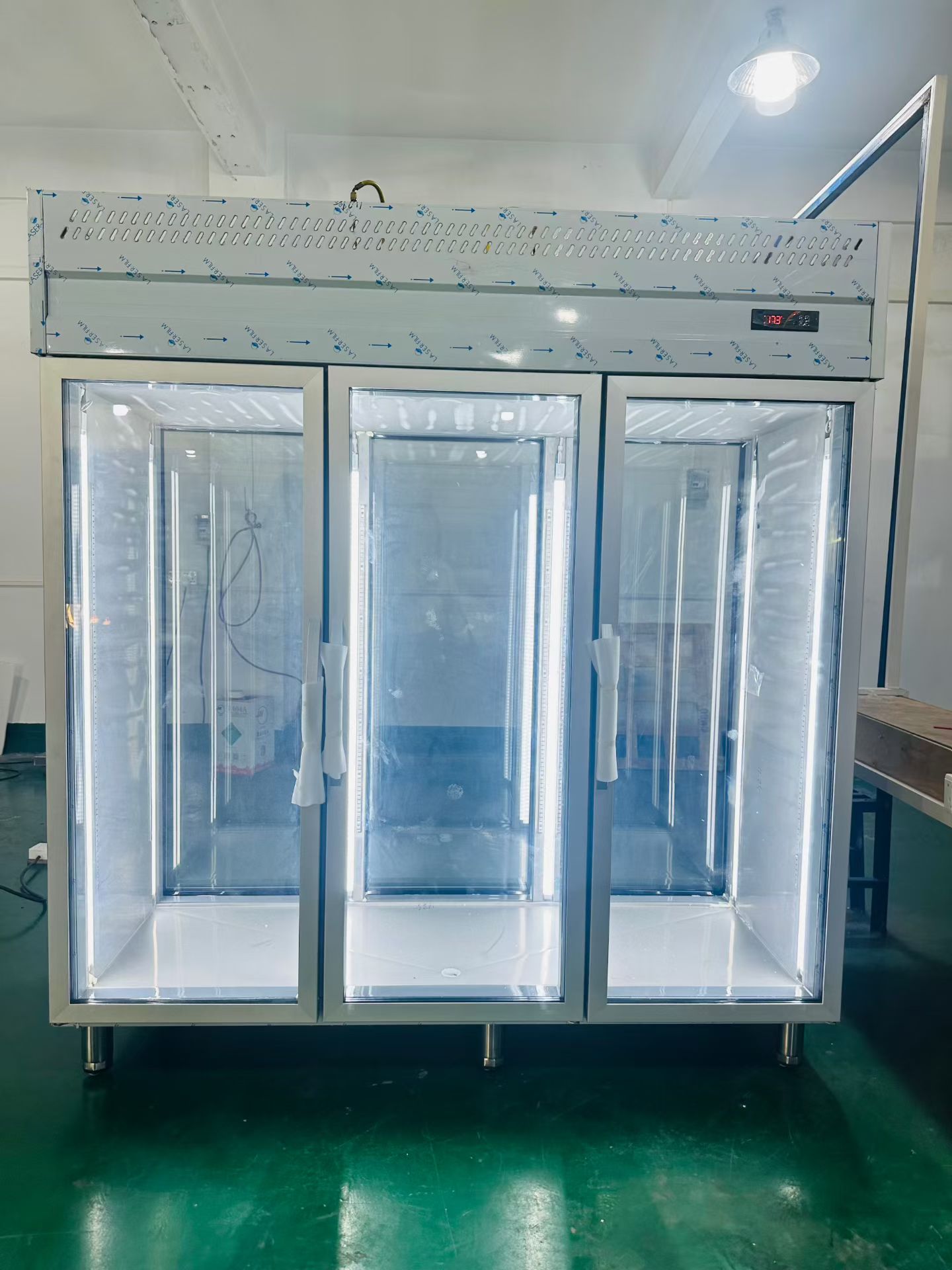
A key driver behind this expansion is the growing emphasis on sustainability. With Australia’s government pushing for net-zero emissions by 2050 and stricter environmental regulations being introduced, commercial kitchens are under pressure to reduce their carbon footprint. In response, manufacturers are introducing next-generation appliances that combine performance with eco-conscious design. For instance, induction cooktops with dynamic heat control, energy-monitoring built-in fridges, and low-emission exhaust hoods are now standard in new installations.
Smart technology is another major trend reshaping the landscape. Modern commercial kitchens are increasingly adopting IoT-enabled equipment—such as connected ovens, automated fryers, and AI-powered inventory management systems—that allow operators to monitor performance, optimize cooking times, and reduce food waste. These systems integrate seamlessly with kitchen management software, enabling real-time data analytics and predictive maintenance alerts, which help prevent downtime and extend appliance lifespan.
The hospitality sector has been particularly active in upgrading its kitchen infrastructure. Major hotel chains like Accor and Hilton have launched nationwide retrofit programs, replacing outdated gas ranges and inefficient refrigerators with modern, energy-star-rated units. Similarly, fast-casual restaurant brands such as Byron Bay’s The Coffee Club and Sydney-based Moolah are investing heavily in modular, scalable kitchen setups designed for high-volume output without compromising on quality or sustainability.
Another significant development is the rise of hybrid and compact equipment tailored for urban and small-format venues. With rising property costs in cities like Melbourne, Sydney, and Brisbane, operators are turning to space-saving solutions such as stackable combi-ovens, under-counter dishwashers, and multi-functional food prep stations. These innovations maximize kitchen efficiency while minimizing footprint—an essential factor in tight urban environments.
Regulatory changes have also played a pivotal role. The Australian Building Code (ABC) and local council requirements now mandate improved ventilation systems and lower noise levels in commercial kitchens, prompting suppliers to develop quieter, more efficient HVAC (Heating, Ventilation, and Air Conditioning) integration solutions. Additionally, the introduction of mandatory energy rating labels for all commercial appliances under the National Appliance Labeling Scheme (NALS) has increased transparency and helped buyers make informed decisions.
Despite the positive momentum, challenges remain. Supply chain disruptions caused by global logistics issues and rising material costs continue to affect pricing and delivery timelines. However, domestic manufacturing initiatives and partnerships between Australian distributors and international brands like Hobart, Miele Commercial, and Electrolux Professional are helping to stabilize availability and support local installation and service networks.
Looking ahead, experts predict that green financing options and government incentives will further accelerate adoption. Initiatives like the federal government’s Clean Energy Finance Corporation (CEFC) grants for energy upgrades could unlock millions in funding for commercial kitchens aiming to transition to low-carbon technologies.
In conclusion, Australia’s commercial kitchen equipment market is no longer just about functionality—it’s a hub of innovation, sustainability, and digital integration. As foodservice providers strive to balance operational efficiency with environmental responsibility, the demand for smarter, greener, and more connected kitchen solutions will only intensify. Businesses that invest wisely in these technologies today are positioning themselves for long-term success in an increasingly competitive and eco-aware market.
————————————
We are a professional manufacturer of Commercial Refrigerator and have extensive experience in the manufacturing of Bakery Equipment ,We also produce Western Kitchen Equipment.Our wide range of products includes commercial refrigerators with excellent refrigeration and Steamed Rice Cabinet for different scenarios.
In addition, we also provide High Temperature Intelligent Disinfection Cabinet with intelligent control of high temperature and launch restaurant Warmer Dining Cart with excellent thermal insulation performance.
In the bakery industry, our equipment is trusted by customers, such as high capacity Commercial Oven For Bakery, and advanced Spiral Dough Mixer.We also provide stable Electric Dough Fermenting Proofer to meet the stringent requirements of different customers
for the baking process.
