

The Middle East commercial kitchen equipment market is on an explosive growth trajectory, projected to expand at a compound annual growth rate (CAGR) of over 8.5% through 2030, according to recent research from Frost & Sullivan. Driven by robust investments in hospitality infrastructure, rapid urbanization, and rising consumer expectations for speed, quality, and sustainability, the region has become a hotspot for cutting-edge kitchen technology.
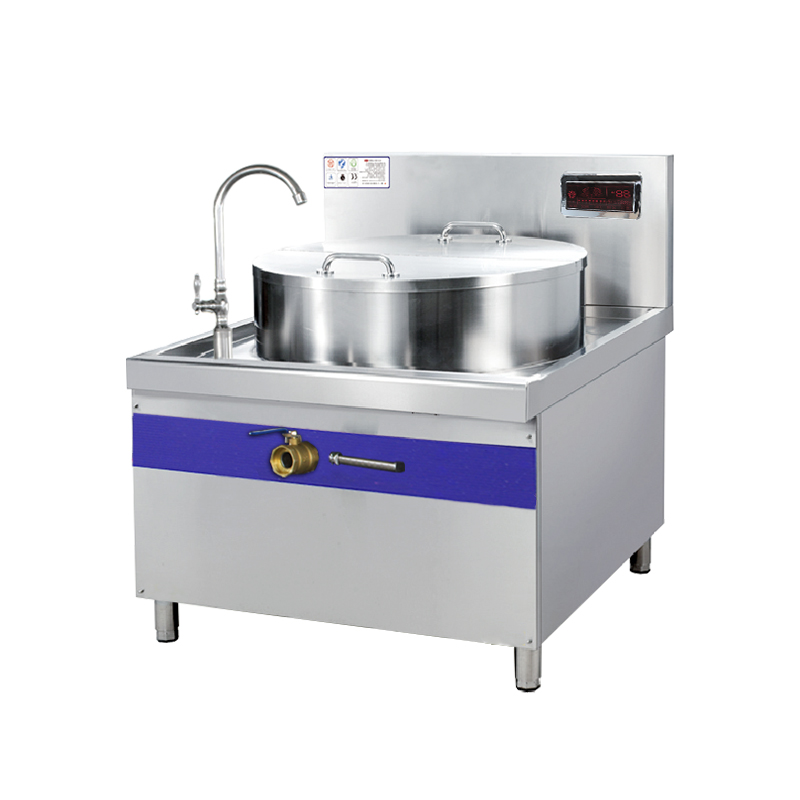
Saudi Arabia and the United Arab Emirates lead this transformation, thanks to national development plans such as Vision 2030 and UAE Centennial 2071. These ambitious initiatives are catalyzing large-scale construction projects, including luxury hotels, international restaurants, corporate cafeterias, and high-capacity food courts. As a result, demand for high-performance, space-efficient, and future-ready kitchen equipment has skyrocketed.
One of the most significant trends shaping the market is the shift toward **smart and automated kitchen appliances**. Modern commercial kitchens now integrate IoT-enabled devices—from connected induction cooktops to AI-powered fryers that monitor oil levels and adjust cooking times automatically. These innovations not only enhance operational efficiency but also reduce human error and labor costs, making them highly attractive to chain operators and fast-casual brands.
Energy efficiency has also emerged as a top priority. With soaring electricity demands and growing environmental awareness, manufacturers are designing equipment that comply with regional green building standards like Estidama in Abu Dhabi and Saudi Green Building Code. Features such as heat recovery systems, low-temperature refrigeration units, and solar-compatible HVAC integration are increasingly standard in new installations.
Modular kitchen systems are another game-changer. Designed for flexibility and scalability, these pre-fabricated units allow quick deployment and easy reconfiguration—ideal for temporary food hubs, pop-up restaurants, and multi-location chains. Companies like Al-Khawarizmi Engineering (UAE) and Dubai-based Al-Futtaim Kitchen Solutions have reported a 40% increase in modular system orders over the past 18 months.
Sustainability is no longer just a buzzword—it's a business imperative. The region’s foodservice operators are under increasing pressure to minimize waste and carbon footprints. In response, equipment manufacturers are introducing eco-friendly materials, recyclable components, and water-saving dishwashers. For instance, Siemens’ new line of commercial dishwashers used in Riyadh’s premium hotel chains reduces water consumption by up to 60% compared to legacy models.
Additionally, the rise of plant-based and halal-certified food offerings is influencing equipment design. Specialized grills and steamers capable of handling alternative proteins without cross-contamination are now in high demand. Similarly, custom-built refrigeration units with precise temperature zoning help maintain the integrity of sensitive halal ingredients.
Despite the growth, challenges remain. Supply chain disruptions, fluctuating raw material prices, and skilled labor shortages continue to affect production timelines. However, local manufacturing partnerships are emerging as a solution. Countries like Egypt and Jordan are investing in domestic production facilities to reduce dependency on imports and cut delivery times.
Regulatory compliance is also evolving. Governments across the Gulf are tightening safety and hygiene standards for commercial kitchens. This includes mandatory certifications for ventilation systems, fire suppression units, and grease trap management—further driving demand for certified, compliant equipment.
Looking ahead, the integration of artificial intelligence and predictive maintenance will likely redefine the next generation of commercial kitchen tools. Predictive analytics can forecast equipment failures before they occur, minimizing downtime and enhancing food safety. Some leading suppliers are already testing AI-driven dashboards that provide real-time performance monitoring and energy usage reports.
In conclusion, the Middle East’s commercial kitchen equipment market is not just growing—it’s transforming. With strong government support, technological innovation, and a focus on sustainability, the region is positioning itself as a global benchmark for modern, efficient, and environmentally conscious foodservice operations. As restaurants, hotels, and catering services continue to scale, the demand for intelligent, adaptable, and green kitchen solutions will only intensify.
For equipment suppliers, investors, and restaurateurs alike, the message is clear: innovation isn’t optional—it’s essential. The future of the kitchen in the Middle East is smart, sustainable, and seamlessly integrated into the region’s dynamic economic and cultural evolution.
————————————
We are a professional manufacturer of Commercial Refrigerator and have extensive experience in the manufacturing of Bakery Equipment ,We also produce Western Kitchen Equipment.
Our wide range of products includes commercial refrigerators with excellent refrigeration and Steamed Rice Cabinet for different scenarios.
In addition, we also provide High Temperature Intelligent Disinfection Cabinet with intelligent control of high temperature and launch restaurant Warmer Dining Cart with excellent thermal
insulation performance.
In the bakery industry, our equipment is trusted by customers, such as high capacity Commercial Oven For Bakery, and advanced Spiral Dough Mixer.We also provide stable Electric Dough Fermenting Proofer to meet the stringent requirements of different customers
for the baking process.
