

The North American commercial kitchen equipment market has entered a new era of innovation and expansion, with industry analysts projecting a compound annual growth rate (CAGR) of 6.4% through 2030. This surge is being driven by a confluence of factors: rising labor costs, increasing pressure to reduce environmental impact, and the growing sophistication of foodservice operations—from fast-casual chains to high-end hotels and institutional kitchens.
At the heart of this transformation are advancements in key equipment categories that directly influence kitchen performance, safety, and sustainability. Among the most prominent segments are cooking appliances, refrigeration systems, ventilation solutions, and integrated smart kitchen platforms.
**Smart Cooking Technology Takes Center Stage**
Modern commercial kitchens are increasingly adopting intelligent cooking equipment such as induction ranges, convection ovens with AI-powered temperature controls, and automated fryers. These devices not only improve consistency and reduce human error but also significantly cut down on energy consumption. For example, companies like Hobart and Vulcan have introduced IoT-enabled ovens that allow remote monitoring, real-time diagnostics, and predictive maintenance—minimizing downtime and maximizing uptime during peak service hours.
“Operators aren’t just looking for reliable equipment anymore,” said Maria Lopez, Director of Foodservice at a major chain in Chicago. “They want systems that learn their patterns, adapt to volume changes, and help them manage labor more efficiently. Smart cooking tools are no longer a luxury—they’re essential.”
**Sustainable Refrigeration Gains Momentum**
Energy efficiency is a top priority for commercial kitchens, especially as utilities prices rise and regulations tighten. In response, manufacturers are introducing next-generation refrigeration units powered by natural refrigerants like CO₂ and propane, which have a lower global warming potential than traditional hydrofluorocarbons (HFCs). Brands such as True Manufacturing and Manitowoc are leading the charge with ENERGY STAR®-certified walk-in coolers, under-counter fridges, and beverage dispensers that use up to 30% less energy.
Additionally, modular refrigeration systems now offer better scalability for multi-location operators. A single control system can manage dozens of units across different sites, streamlining inventory management and reducing waste—a critical factor in today’s cost-conscious environment.
**Ventilation and Air Quality Enhance Safety and Compliance**
With stricter health and safety codes and heightened awareness of indoor air quality, commercial kitchen ventilation systems are undergoing a renaissance. High-efficiency hoods equipped with advanced filtration technologies—such as electrostatic precipitators and activated carbon filters—are now standard in many new installations. These systems capture grease particles, odors, and volatile organic compounds (VOCs), improving both air quality and compliance with local fire and environmental regulations.
Moreover, smart hood systems now integrate with kitchen exhaust fans and building management systems, automatically adjusting airflow based on cooking activity. This dynamic control reduces energy waste while ensuring optimal ventilation during high-volume periods.
**Rise of Integrated Kitchen Ecosystems**
One of the most significant trends is the move toward fully integrated kitchen ecosystems. Rather than purchasing standalone appliances, operators are opting for bundled solutions that combine cooking, storage, sanitation, and data analytics into a single, connected platform. Companies like Midea and GE Appliances are offering all-in-one kitchen suites with cloud-based dashboards that track equipment usage, alert staff to maintenance needs, and even suggest recipe adjustments based on ingredient availability.
These digital kitchens empower managers with real-time insights into operations, helping them optimize workflows, reduce food waste, and maintain consistent quality across locations. For franchised brands, this level of integration ensures brand uniformity and simplifies training for new staff.
**Market Drivers: Labor Shortages and Consumer Expectations**
The current labor shortage in the foodservice industry has accelerated automation and digitization efforts. With fewer experienced chefs available, kitchens rely more heavily on equipment that can replicate precise cooking techniques and scale production without sacrificing quality.
Simultaneously, consumers are demanding transparency around sourcing, sustainability, and food safety. As a result, kitchens are investing in traceability features—like QR code-enabled refrigerators that log product origin and expiration dates—and equipment that supports clean-label preparation methods.
**Regional Outlook: U.S. Leads, Canada Follows**
The United States remains the largest market for commercial kitchen equipment in North America, accounting for over 75% of regional sales. Major metropolitan areas such as New York, Los Angeles, and Chicago continue to drive demand due to dense restaurant clusters and ongoing commercial construction. Meanwhile, Canada is seeing steady growth, particularly in provinces like Ontario and British Columbia, where government incentives support green building standards and energy-efficient retrofits.
**Future Outlook: Innovation Meets Regulation**
Looking ahead, regulatory developments—including proposed federal rules on appliance efficiency and emissions from commercial kitchens—will further shape the market. Manufacturers are already preparing for these changes by designing equipment that exceeds current standards, positioning themselves as leaders in compliance and sustainability.
In conclusion, the North American commercial kitchen equipment sector is not just growing—it’s transforming. As technology continues to converge with environmental responsibility and operational efficiency, the modern kitchen is becoming smarter, cleaner, and more resilient than ever before. For restaurateurs, hoteliers, and institutional operators, investing in next-generation equipment isn’t just a business decision; it’s a strategic imperative for long-term success.
————————————
We are a professional manufacturer of Commercial Refrigerator and have extensive experience in the manufacturing of Bakery Equipment ,We also produce Western Kitchen Equipment.Our wide range of products includes commercial refrigerators with excellent refrigeration and Steamed Rice Cabinet for different scenarios.
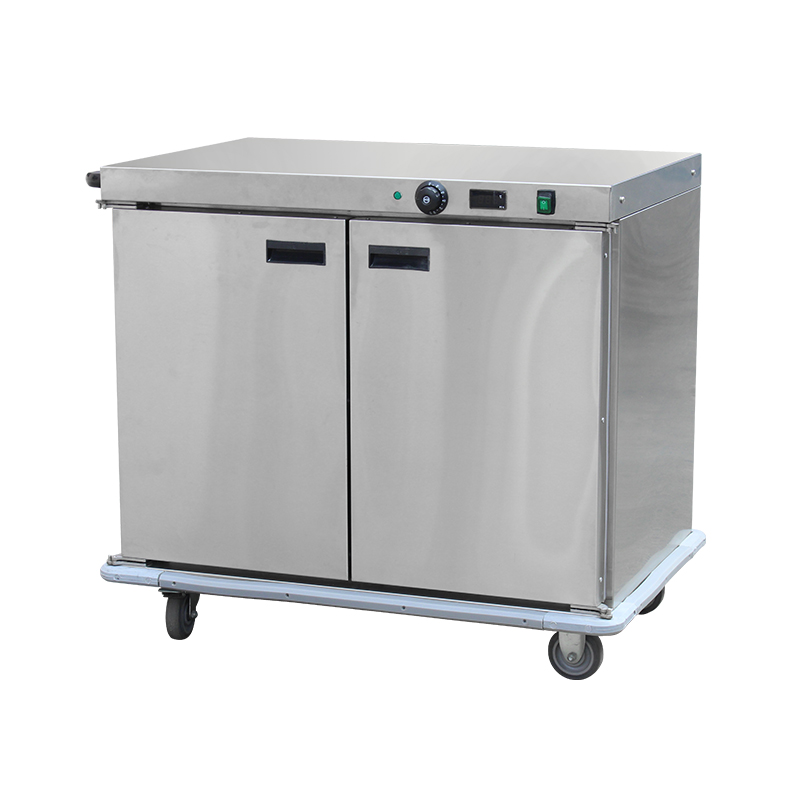
In addition, we also provide High Temperature Intelligent Disinfection Cabinet with intelligent control of high temperature and launch restaurant Warmer Dining Cart with excellent thermal insulation performance.
In the bakery industry, our equipment is trusted by customers, such as high capacity Commercial Oven For Bakery, and advanced Spiral Dough Mixer.We also provide stable Electric Dough Fermenting Proofer to meet the stringent requirements of different customers
for the baking process.
