

The European commercial kitchen equipment market has entered a transformative phase, recording a compound annual growth rate (CAGR) of over 6% between 2023 and 2028, according to recent industry analysis by Global Market Insights. This surge is driven by a powerful convergence of technological innovation, evolving consumer preferences, and increasingly strict environmental legislation across the European Union.
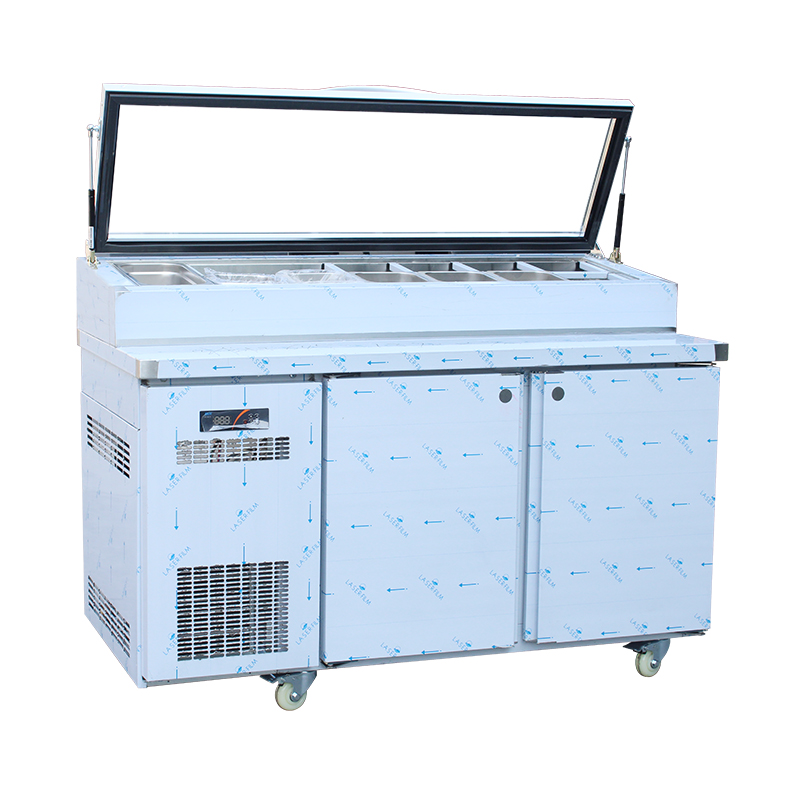
One of the most significant trends shaping the sector is the shift toward sustainable kitchen operations. With the EU Green Deal and Fit for 55 package mandating drastic reductions in carbon emissions, foodservice operators—from high-end restaurants to institutional cafeterias—are prioritizing energy-efficient appliances. Equipment manufacturers such as Midea Professional, Gorenje, and Wolf have responded by introducing products that consume up to 40% less energy than older models. For instance, the new generation of induction hobs and convection ovens now feature adaptive power management systems that adjust output based on real-time cooking load, minimizing waste.
Smart technology integration is another game-changer. Modern commercial kitchens are increasingly adopting Internet of Things (IoT)-enabled equipment that allows remote monitoring, predictive maintenance, and automated performance tracking. Devices like connected fryers, smart refrigeration units, and AI-powered inventory systems provide real-time data to kitchen managers, reducing downtime and improving operational efficiency. A leading example is the “KitchenIQ” platform launched by BSH Hausgeräte, which integrates multiple appliances into a single digital dashboard, enabling chefs to monitor temperature, usage patterns, and energy consumption from a smartphone or tablet.
Modular and flexible kitchen designs are also gaining traction, especially in urban environments where space is at a premium. Manufacturers are offering customizable, space-saving solutions—such as stackable ranges, retractable workstations, and multi-functional cooktops—that maximize utility without sacrificing performance. These designs cater particularly well to small-to-medium-sized restaurants, pop-up eateries, and hotel kitchens looking to optimize workflow and reduce overhead.
Another key driver is the rise of automation in food preparation. Automated slicing machines, robotic grills, and self-cleaning dishwashers are no longer futuristic concepts but mainstream tools in many European kitchens. Chains like McDonald’s and Subway have piloted fully automated kitchen modules in select markets, reducing labor costs while maintaining consistency and hygiene standards. In Germany, the launch of the “AutoChef” system by Zanussi Commercial has enabled quick-service restaurants to prepare complex dishes with minimal human intervention.
Regulatory pressures are further accelerating innovation. The EU’s Ecodesign Directive now sets minimum energy performance standards for a wide range of kitchen appliances, including refrigerators, ovens, and exhaust hoods. Non-compliant equipment will be phased out by 2027, pushing both suppliers and buyers toward greener alternatives. Additionally, the Carbon Border Adjustment Mechanism (CBAM) is encouraging manufacturers to adopt low-carbon production methods, reinforcing the push toward circular economy principles in equipment manufacturing.
Consumer expectations are also influencing product development. As diners become more environmentally conscious, they are favoring establishments that demonstrate transparency about their sustainability practices. This has led to a growing demand for equipment with visible eco-certifications—such as Energy Star and EPEAT—and traceable supply chains.
Looking ahead, experts predict continued expansion in the commercial kitchen equipment market, particularly in Southern and Eastern Europe, where modernization efforts are still underway. Investment in digital infrastructure and workforce training will be critical to fully leverage these advanced technologies.
In conclusion, Europe’s commercial kitchen equipment landscape is undergoing a dynamic evolution. Driven by sustainability mandates, technological advancement, and changing business models, the market is not just adapting—it’s leading the global charge toward smarter, cleaner, and more efficient foodservice operations. For operators and suppliers alike, the future of the kitchen is no longer just about cooking; it’s about connectivity, conservation, and innovation.
————————————
We are a professional manufacturer of Commercial Refrigerator and have extensive experience in the manufacturing of Bakery Equipment ,We also produce Western Kitchen Equipment.Our wide range of products includes commercial refrigerators with excellent refrigeration and Steamed Rice Cabinet for different scenarios.
In addition, we also provide High Temperature Intelligent Disinfection Cabinet with intelligent control of high temperature and launch restaurant Warmer Dining Cart with excellent thermal insulation performance.
In the bakery industry, our equipment is trusted by customers, such as high capacity Commercial Oven For Bakery, and advanced Spiral Dough Mixer.We also provide stable Electric Dough Fermenting Proofer to meet the stringent requirements of different customers
for the baking process.
