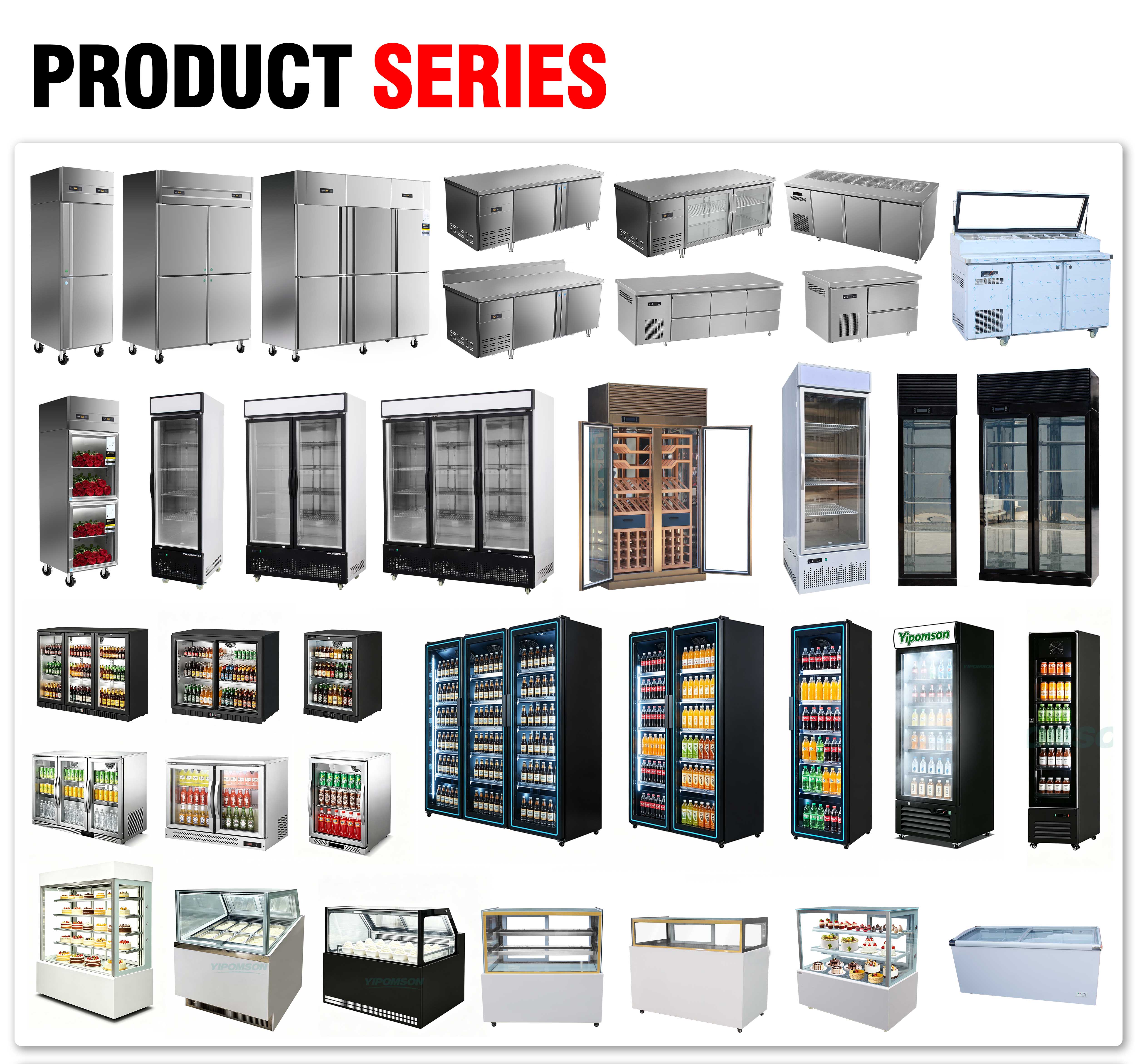
Across Europe, a quiet revolution is brewing in the hospitality and retail sectors—not in the glass, but beneath it. The commercial beer cooler, once a simple metal cabinet humming quietly in the corner of a bar or supermarket, has transformed into a high-tech, eco-conscious centerpiece of modern beverage service. With rising consumer expectations for freshness, sustainability, and aesthetic appeal, European manufacturers are reimagining these essential appliances to meet new demands.
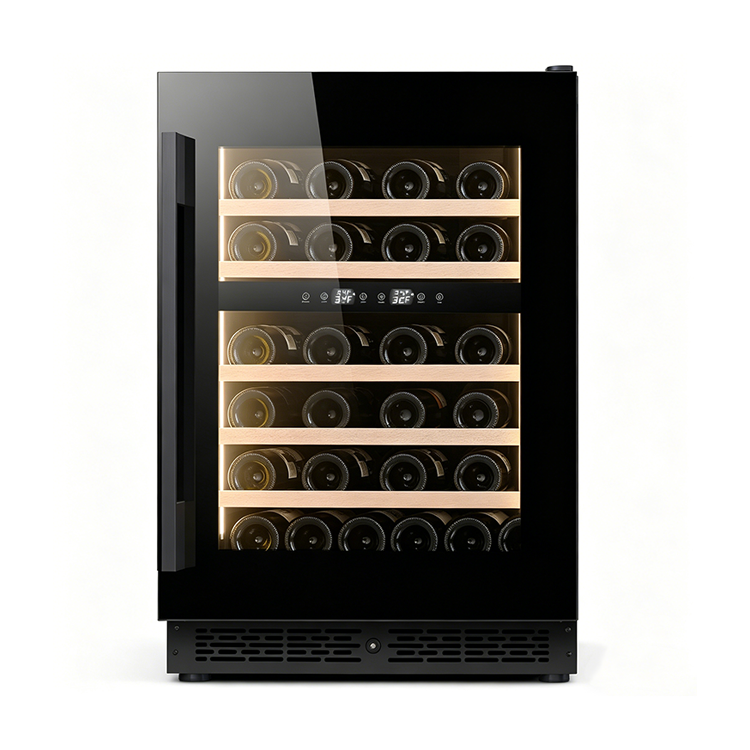
Today’s European commercial beer coolers go far beyond mere temperature control. They now incorporate advanced features such as IoT-enabled monitoring systems, real-time inventory tracking, and remote diagnostics accessible via smartphone apps. For example, brands like Klarstein and BSH Home Appliances have launched smart beer coolers equipped with sensors that alert staff when stock levels are low or when a unit requires maintenance. These innovations help businesses reduce waste, optimize supply chains, and enhance customer experience by ensuring consistently cold, fresh beer on tap.
Energy efficiency remains a top priority, especially under the European Union’s stringent environmental regulations. Modern coolers utilize next-generation, low-global warming potential (GWP) refrigerants such as R-290 (propane) and R-600a, replacing older, ozone-depleting substances like R-404A. According to the European Environmental Agency, these alternatives reduce greenhouse gas emissions by up to 95% compared to traditional refrigerants. In addition, many new models boast A+++ energy ratings and adaptive cooling algorithms that adjust compressor output based on ambient temperature and usage patterns—saving up to 30% in energy consumption over standard units.
Design is another area where European manufacturers are leading the way. Inspired by Scandinavian minimalism and German engineering precision, today’s coolers feature clean lines, tempered glass doors, LED lighting, and customizable interior layouts. Some models even integrate built-in digital signage for promotions or brand messaging—ideal for bars aiming to elevate their visual identity. In urban cafes and boutique breweries across Berlin, Barcelona, and Copenhagen, these sleek units double as both functional equipment and architectural statements.
The shift toward sustainability extends beyond refrigerants and energy use. Many European brands now prioritize recyclable materials in construction and offer take-back programs for old units. For instance, Liebherr’s “Green Line” commercial coolers are made with up to 85% recycled stainless steel and aluminum, and the company provides free recycling services at end-of-life. Similarly, French manufacturer Sanyo Refrigeration has partnered with local recycling hubs across France and Italy to ensure responsible disposal of components.
Market trends reinforce this transformation. According to Statista, the European commercial refrigeration market is projected to grow at a CAGR of 5.2% through 2027, with beer coolers accounting for nearly 40% of sales in the hospitality segment. This growth is driven not only by expanding craft beer culture but also by regulatory pressure and increasing corporate ESG (Environmental, Social, and Governance) commitments among large restaurant chains and supermarket operators.
Restaurants and bars are increasingly viewing their beer coolers as strategic assets rather than just utility items. “We used to buy the cheapest cooler we could find,” said Luca Moretti, owner of a popular Milanese pizzeria. “Now, our investment in a smart, energy-efficient beer cooler pays off in reduced electricity bills, better product quality, and a more professional image. Customers notice—and they stay longer.”
Moreover, the rise of microbreweries and local beer producers has intensified demand for specialized cooling solutions. Unlike mass-produced lagers, craft beers require precise temperature control to preserve delicate flavor profiles. Advanced commercial coolers now offer adjustable zones—some with dual compartments allowing different temperatures for stouts, IPAs, and wheat beers—all within a single unit. This flexibility supports the growing trend of “beer menus” in fine dining establishments and gastropubs.
Looking ahead, experts predict further integration of artificial intelligence and predictive analytics in future models. Imagine a cooler that learns peak usage times, anticipates demand spikes during football matches, and automatically pre-cools kegs accordingly. Such capabilities are already being piloted in select cities across Germany and the Netherlands.
In conclusion, the European commercial beer cooler has evolved from a passive appliance into an intelligent, sustainable, and stylish hub of beverage excellence. As climate goals tighten and consumer preferences shift, these innovations are not just convenient—they’re essential. For businesses across the continent, investing in next-gen beer coolers means more than colder drinks: it means smarter operations, lower carbon footprints, and a stronger competitive edge in an increasingly green and tech-driven marketplace.
————————————
We are a professional manufacturer of Commercial Refrigerator and have extensive experience in the manufacturing of Bakery Equipment ,We also produce Western Kitchen Equipment.
Our wide range of products includes commercial refrigerators with excellent refrigeration and Steamed Rice Cabinet for different scenarios.
In addition, we also provide High Temperature Intelligent Disinfection Cabinet with intelligent control of high temperature and launch restaurant Warmer Dining Cart with excellent thermal insulation performance.
In the bakery and cooking industry, our equipment is trusted by customers, such as high capacity Commercial Gas Convection Oven.We also provide stable Gas Charbroiler,Gas Griddle,Gas Ranges and Gas deep fryer to meet the stringent requirements of different customers for the baking process.