

The commercial beer cooler market in North America is experiencing a dynamic transformation, driven by rising consumer preference for craft and draft beer, increasing operational efficiency demands, and growing environmental awareness. From bustling urban brewpubs in Toronto and Seattle to suburban convenience stores in Texas and Ontario, commercial beer coolers have become indispensable assets—not just for cold storage but as integrated components of modern hospitality and retail operations.
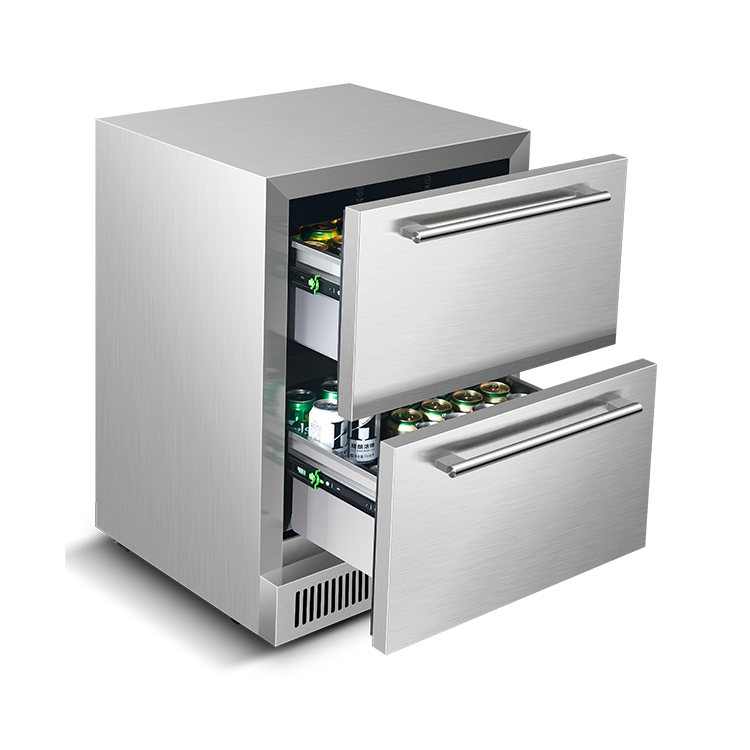
Today’s commercial beer coolers go far beyond simple refrigeration units. They now incorporate cutting-edge technologies that enhance performance, reduce energy consumption, and improve user experience. One of the most significant advancements is the adoption of smart cooling systems powered by Internet of Things (IoT) connectivity. These systems allow real-time monitoring of internal temperatures, humidity levels, and even beer flow rates. Managers can receive instant alerts if a unit deviates from optimal conditions—ensuring beer quality and minimizing spoilage risks.
Energy efficiency has also taken center stage. In response to stricter environmental regulations and escalating utility costs, manufacturers like True Corporation, Viking Refrigeration, and Beverage-Air have introduced models using natural refrigerants such as R-290 (propane), which have a significantly lower global warming potential than traditional hydrofluorocarbons (HFCs). According to the U.S. Department of Energy, these next-generation coolers can reduce energy consumption by up to 30% compared to legacy models, helping businesses cut operating costs and meet sustainability goals.
Design innovation is another key trend. Modern commercial beer coolers feature sleek, customizable exteriors with LED lighting, transparent doors, and adjustable shelving to accommodate various keg sizes—from standard 1/2 barrel (15.5 gallons) to mini-kegs and growlers. Some units even include built-in tap systems with quick-disconnect fittings, allowing seamless integration with draft dispensing hardware. This modularity makes them ideal for flexible layouts in restaurants, sports bars, and event venues where space and functionality must be optimized.
Retailers are also embracing these coolers for their visual appeal and branding opportunities. Many models now offer customizable digital signage panels that can display rotating promotions, beer menus, or social media feeds. For example, a chain of convenience stores in the Midwest recently deployed touchscreen-enabled beer coolers that not only maintain optimal temperature but also guide customers through flavor profiles and pairing suggestions—boosting sales and customer engagement.
Moreover, the integration of commercial beer coolers with point-of-sale (POS) systems is gaining traction. When a keg is tapped or a beer is sold, inventory data updates automatically in the backend system. This enables accurate stock tracking, predictive ordering, and reduced waste—critical for managing high-turnover environments like stadiums and nightlife districts.
In Canada, where seasonal fluctuations impact beer consumption patterns, climate-adaptive cooling systems are proving particularly valuable. Units equipped with weather-responsive thermostats adjust fan speed and compressor cycles based on ambient temperature, ensuring consistent performance during extreme heatwaves or winter chill.
Market analysts project that the North American commercial beer cooler market will grow at a compound annual growth rate (CAGR) of 6.4% through 2030, reaching over $1.8 billion in value. The surge is fueled by the proliferation of craft breweries—over 10,000 in the U.S. alone—and increased demand for on-site beer service in dining establishments, hotels, and entertainment complexes.
Regulatory compliance is also shaping product development. In both the U.S. and Canada, health and safety standards require strict adherence to food-safe materials and sanitation protocols. As a result, leading manufacturers now use antimicrobial surfaces, easy-to-clean interiors, and self-cleaning condensate pans—ensuring hygiene without compromising durability.
Looking ahead, future innovations may include AI-driven predictive maintenance, solar-powered cooling units for remote locations, and blockchain-based supply chain tracking to verify beer freshness and authenticity. These developments underscore a broader shift toward smarter, greener, and more connected refrigeration infrastructure.
————————————
We are a professional manufacturer of Commercial Refrigerator and have extensive experience in the manufacturing of Bakery Equipment ,We also produce Western Kitchen Equipment.
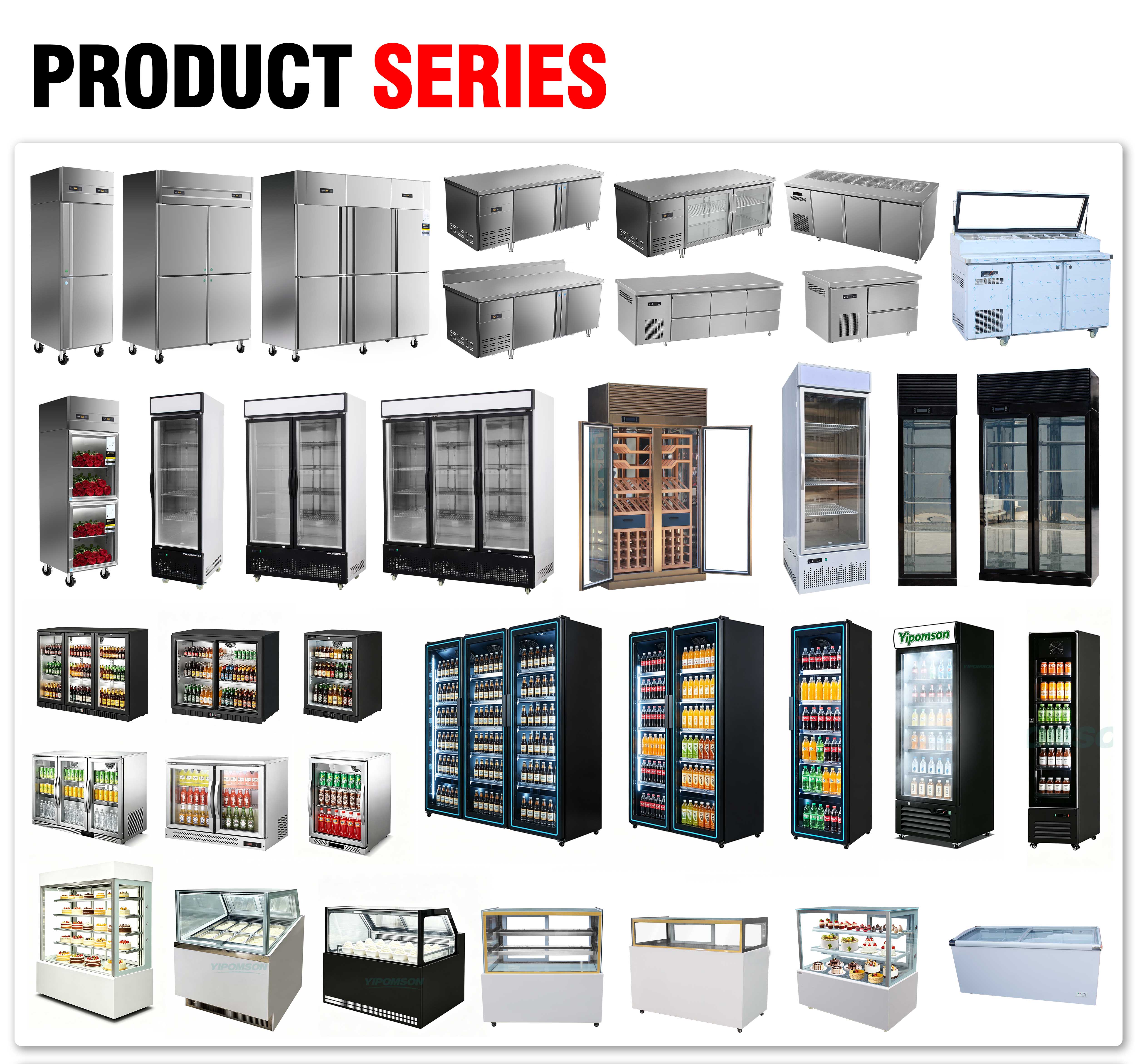
Our wide range of products includes commercial refrigerators with excellent refrigeration and Steamed Rice Cabinet for different scenarios.
In addition, we also provide High Temperature Intelligent Disinfection Cabinet with intelligent control of high temperature and launch restaurant Warmer Dining Cart with excellent thermal insulation performance.
In the bakery and cooking industry, our equipment is trusted by customers, such as high capacity Commercial Gas Convection Oven.We also provide stable Gas Charbroiler,Gas Griddle,Gas Ranges and Gas deep fryer to meet the stringent requirements of different customers for the baking process.
For operators, investing in a modern commercial beer cooler isn’t just about keeping beer cold—it’s about enhancing customer satisfaction, reducing operational overhead, and supporting long-term sustainability. Whether it’s a high-end steakhouse in Vancouver showcasing local craft lagers or a gas station in Arizona offering chilled international imports, the right beer cooler is no longer a mere appliance; it’s a strategic business tool.
As North America continues its embrace of premium, on-the-go beverage experiences, the evolution of the commercial beer cooler stands as a testament to how innovation in equipment design can power entire industries forward—one cold, refreshing pint at a time.