

The Middle East’s booming hospitality and food service industry is undergoing a technological transformation, with commercial gas convection ovens at the forefront of this evolution. From luxury hotels in Dubai and Riyadh to bustling street-food hubs in Doha and Jeddah, chefs and kitchen managers are turning to high-performance, gas-powered convection ovens to meet rising customer expectations while optimizing efficiency and reducing operating costs.
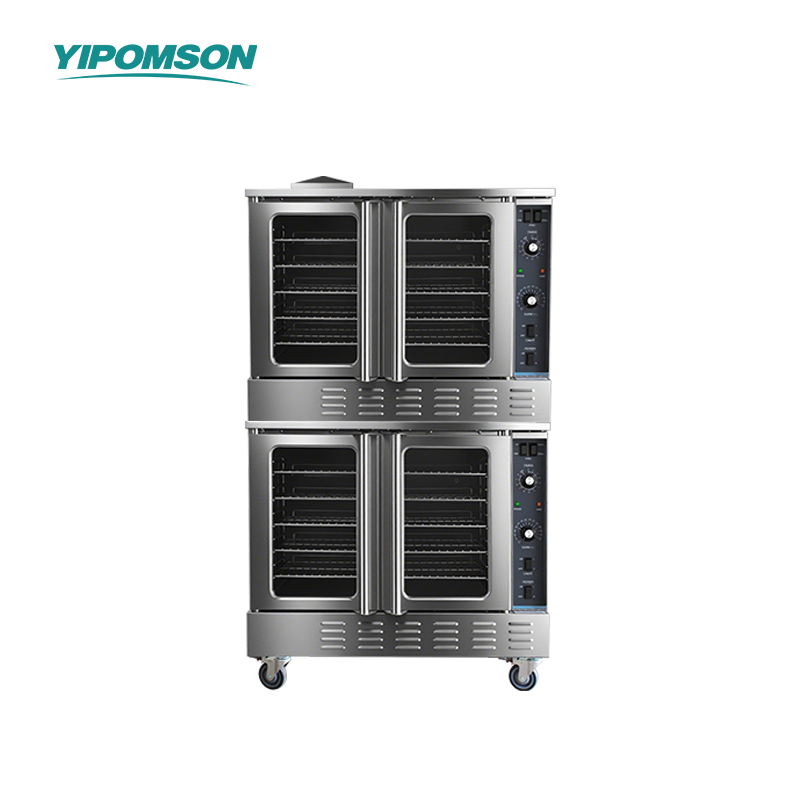
Unlike traditional ovens that rely on static heat, convection ovens use a built-in fan to circulate hot air uniformly throughout the chamber. This innovation ensures even browning, faster cooking times, and reduced energy consumption—key advantages in an environment where time and resource management are paramount. In the scorching climates of the Gulf Cooperation Council (GCC) countries, where peak summer temperatures often exceed 45°C, efficient kitchen appliances not only improve productivity but also contribute to better thermal comfort in commercial kitchens.
One of the most significant drivers behind the adoption of these ovens is the region’s growing emphasis on culinary diversity and quality. From Arabic flatbreads like khobz and manakeesh to gourmet pastries, roasted meats, and international fusion dishes, Middle Eastern kitchens require versatile, reliable equipment capable of handling complex recipes. Gas convection ovens provide precise temperature control (often adjustable from 100°C to 300°C), enabling chefs to bake, roast, grill, and proof with unmatched consistency.
In Saudi Arabia’s Vision 2030 initiative, which prioritizes economic diversification and private-sector growth, new restaurants, cafés, and food delivery platforms are launching at an unprecedented rate. Many of these ventures are incorporating state-of-the-art gas convection ovens into their kitchen designs. For example, a recent chain expansion in Riyadh now features dual-zone convection ovens that allow different cooking processes—such as roasting lamb and baking bread—simultaneously without flavor cross-contamination.
Similarly, in the UAE, where tourism remains a cornerstone of the economy, luxury hotels and resorts are upgrading their kitchens with smart gas convection ovens equipped with digital interfaces, programmable presets, and remote monitoring capabilities. These features enable staff to pre-set cooking cycles, track performance data, and reduce human error—critical in high-turnover environments like buffet services or breakfast operations.
Energy efficiency is another major selling point. Modern gas convection ovens in the Middle East market are designed with advanced insulation, rapid heat-up systems, and combustion optimization technologies that reduce fuel consumption by up to 30% compared to older models. This aligns with national sustainability goals and helps businesses lower utility bills—a crucial consideration given fluctuating energy prices and rising environmental awareness.
Moreover, manufacturers are tailoring their offerings to regional preferences. Ovens now come with customizable racks, larger cavity sizes (up to 1,000 liters), and specialized trays optimized for Middle Eastern baking styles. Some models even include steam injection features for maintaining moisture in dough-based products—a game-changer for traditional Arabic breads that require a soft interior and crisp crust.
The integration of IoT (Internet of Things) technology is further enhancing functionality. Remote diagnostics, maintenance alerts, and real-time performance analytics help kitchen managers anticipate issues before they disrupt operations. In Bahrain, a leading bakery network has reported a 25% reduction in downtime since switching to connected gas convection ovens.
Despite concerns about initial investment costs, operators report strong return on investment within 18 to 24 months due to improved throughput, reduced waste, and lower energy bills. Additionally, many governments and municipalities in the region offer incentives for adopting energy-efficient kitchen equipment, further accelerating adoption.
Looking ahead, experts predict continued growth in the commercial convection oven market across the Middle East. As urbanization accelerates and consumer demand for premium dining experiences rises, the need for advanced, reliable, and sustainable kitchen technology will only intensify. Manufacturers are responding with innovations such as AI-driven cooking algorithms, modular designs for flexible installation, and eco-friendly materials in construction.
In conclusion, the rise of commercial gas convection ovens in the Middle East reflects a broader shift toward smarter, more efficient, and higher-quality food production. These ovens are no longer just tools—they are strategic assets that empower chefs, streamline operations, and elevate the culinary standards of one of the world’s most dynamic food markets.
————————————
We are a professional manufacturer of Commercial Refrigerator and have extensive experience in the manufacturing of Bakery Equipment ,We also produce Western Kitchen Equipment.
Our wide range of products includes commercial refrigerators with excellent refrigeration and Steamed Rice Cabinet for different scenarios.
In addition, we also provide High Temperature Intelligent Disinfection Cabinet with intelligent control of high temperature and launch restaurant Warmer Dining Cart with excellent thermal insulation performance.
In the bakery industry, our equipment is trusted by customers, such as high capacity Commercial Oven For Bakery, and advanced Spiral Dough Mixer .We also provide stable Electric Dough Fermenting Proofer to meet the stringent requirements of different customers for the baking process.
