

In recent years, a quiet revolution has been taking place in the commercial kitchens of Southeast Asia—where traditional stovetop cooking is being augmented, and in many cases replaced, by advanced gas convection ovens. From bustling street-food hubs in Bangkok to upscale cafes in Jakarta and family-run eateries in Manila, these high-efficiency ovens are becoming indispensable tools for chefs and restaurateurs aiming to deliver consistent, delicious results at scale.
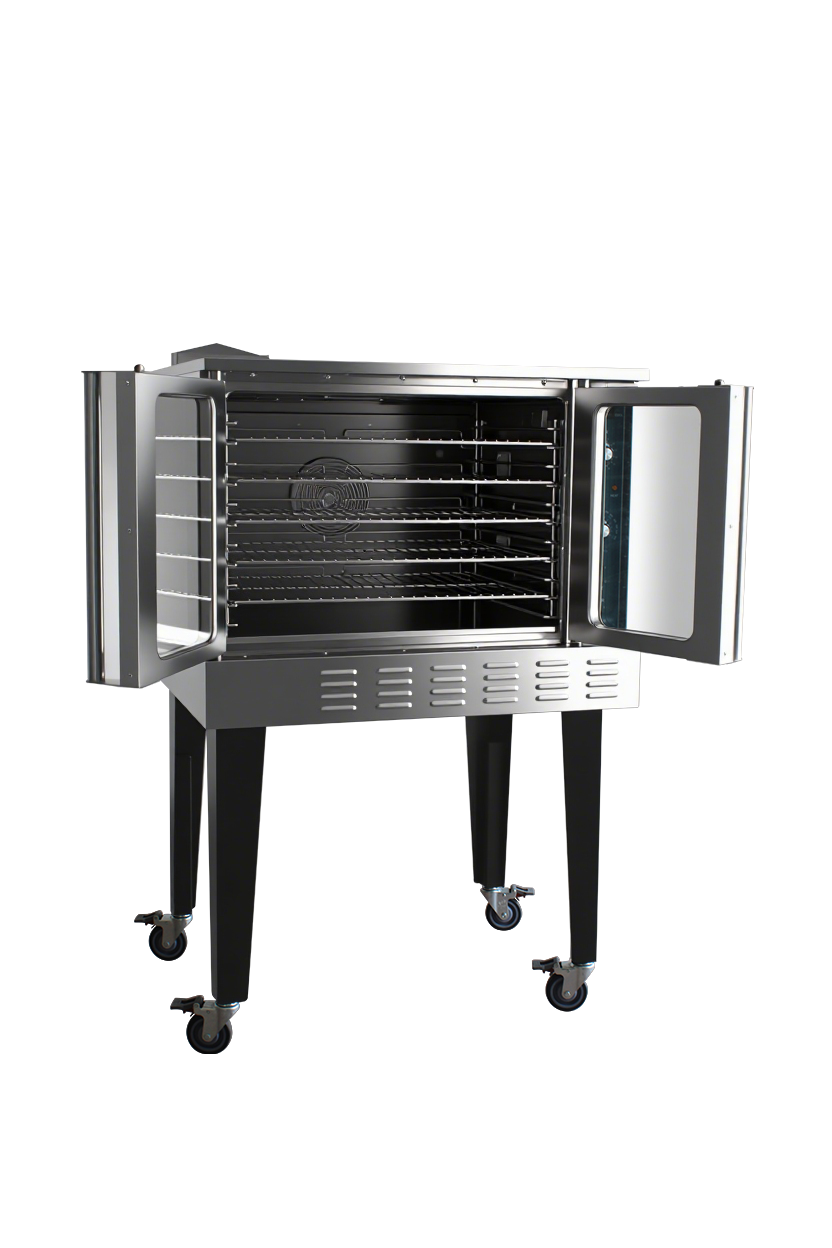
The shift toward gas convection ovens is driven by several key factors: rising urbanization, growing middle-class populations with disposable income, and an increasing appetite for diverse, globally inspired cuisines. As fast-casual dining chains expand across the region—from Nasi Campur specialists to artisanal bakeries and gourmet burger joints—operators are seeking equipment that balances speed, precision, and cost-effectiveness. Gas convection ovens meet all three criteria.
Unlike conventional electric ovens, gas-powered convection models use natural or liquefied petroleum gas (LPG) as fuel, delivering rapid, intense heat that significantly reduces preheating times. With powerful fans circulating hot air uniformly throughout the chamber, these ovens ensure even browning and consistent doneness—critical for achieving professional-grade results in everything from roasted meats and baked pastries to crispy flatbreads and caramelized vegetables.
One of the most compelling advantages of gas convection ovens in Southeast Asian markets is their energy efficiency. According to a 2023 study by the ASEAN Energy Management Institute, gas ovens consume up to 30% less energy than comparable electric models when used under typical commercial conditions. This efficiency translates directly into lower operating costs—a major consideration for small and medium-sized enterprises (SMEs) that dominate the region’s foodservice landscape.
Moreover, gas ovens offer better temperature control and responsiveness, allowing chefs to make real-time adjustments during cooking. This is particularly valuable in regional cuisines where timing and heat management are crucial—for example, in Thai tom yum soup preparation using grilled elements, Vietnamese banh mi baking, or Indonesian rendang roasting. The ability to sear, bake, roast, and grill in one appliance also reduces kitchen footprint and simplifies workflow, which is especially beneficial in densely packed urban spaces.
Manufacturers such as Fagor, Hoshizaki, and local innovators like PT Kencana Teknik (Indonesia) have responded to this demand by introducing compact, modular, and user-friendly gas convection ovens tailored to Southeast Asian kitchens. Many models now feature digital touchscreens, programmable cooking profiles, safety shut-offs, and integrated exhaust systems compatible with tropical climate conditions—ensuring reliable operation even in high-humidity environments.
Another significant trend is the integration of smart technology. Some newer models come equipped with IoT capabilities, enabling remote monitoring, maintenance alerts, and energy usage tracking via smartphone apps. This digital connectivity helps operators optimize kitchen workflows and comply with emerging sustainability standards, aligning with national green initiatives in countries like Thailand and Vietnam.
The adoption of gas convection ovens is also supported by favorable infrastructure developments. In cities like Ho Chi Minh City and Surabaya, LPG distribution networks have expanded significantly, making gas more accessible and affordable for commercial users. Similarly, government incentives and micro-financing schemes in the Philippines and Malaysia are helping restaurants upgrade their equipment without upfront capital strain.
“Switching to a gas convection oven was one of the best decisions we made,” says Ani Suryani, owner of a popular Jakarta-based bakery chain. “We’ve reduced our cooking time by nearly 40%, cut down on energy bills, and improved product consistency—especially important when scaling across multiple outlets.”
From a culinary perspective, the flavor profile produced by gas convection ovens is often preferred. The direct flame heating creates a subtle Maillard reaction effect, enhancing crust development and depth of flavor—something that electric ovens struggle to replicate. This makes them ideal for dishes where texture and taste are paramount, such as wood-fired-style pizzas, grilled seafood, and artisan breads.
Looking ahead, industry experts predict continued growth in gas convection oven adoption across Southeast Asia. As consumers demand faster service, higher quality, and greater transparency in food sourcing and preparation, the need for efficient, reliable, and scalable kitchen technology will only intensify.
With ongoing investments in kitchen automation, sustainable energy solutions, and digital integration, the future of commercial cooking in Southeast Asia is clearly heating up—literally and figuratively. Gas convection ovens are not just a tool; they’re a catalyst for innovation, efficiency, and excellence in the region’s dynamic food culture.
————————————
We are a professional manufacturer of Commercial Refrigerator and have extensive experience in the manufacturing of Bakery Equipment ,We also produce Western Kitchen Equipment.
Our wide range of products includes commercial refrigerators with excellent refrigeration and Steamed Rice Cabinet for different scenarios.
In addition, we also provide High Temperature Intelligent Disinfection Cabinet with intelligent control of high temperature and launch restaurant Warmer Dining Cart with excellent thermal insulation performance.
In the bakery industry, our equipment is trusted by customers, such as high capacity Commercial Oven For Bakery, and advanced Spiral Dough Mixer .We also provide stable Electric Dough Fermenting Proofer to meet the stringent requirements of different customers for the baking process.
