

The commercial upright refrigerator market in Southeast Asia is experiencing unprecedented growth, fueled by a confluence of economic development, changing consumer habits, and evolving regulatory standards around food safety. With over 650 million people living in the region—spanning countries like Indonesia, Thailand, Vietnam, the Philippines, Malaysia, and Singapore—demand for reliable, efficient cold storage solutions has never been higher.
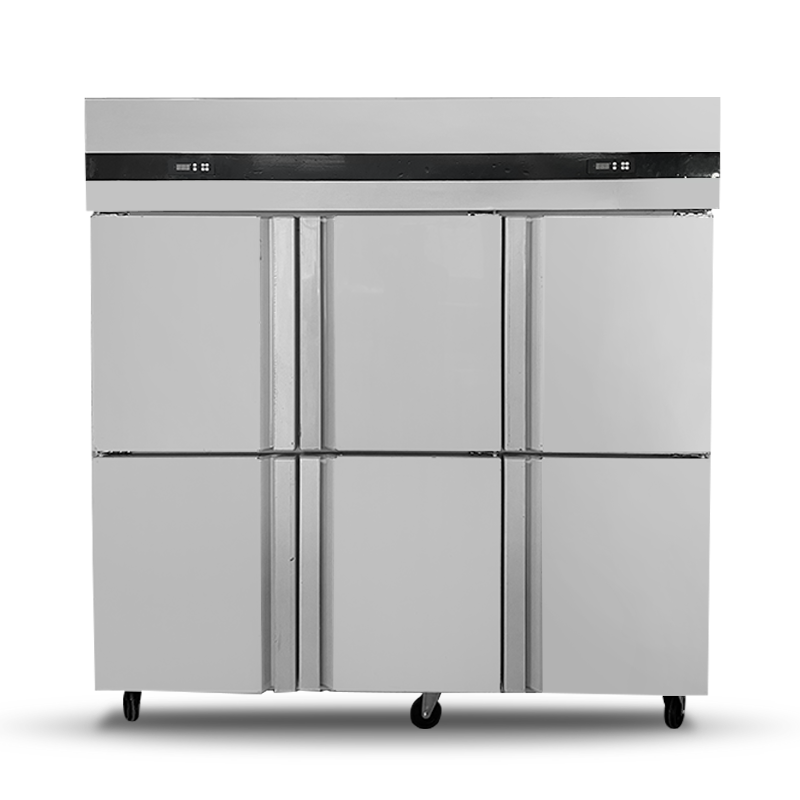
A key driver behind this surge is the explosion of convenience stores (c-stores) and small-format food outlets. In cities like Jakarta and Bangkok, c-store chains such as Indomart, 7-Eleven, and FamilyMart have expanded rapidly, often operating in tight urban spaces where floor space is at a premium. Here, commercial upright refrigerators—compact, vertical units designed for maximum visibility and accessibility—offer an ideal solution. Unlike traditional horizontal display cases, upright models allow businesses to maximize vertical storage while maintaining easy access to chilled beverages, dairy products, ready-to-eat meals, and fresh produce.
Beyond convenience retail, the foodservice industry is also embracing upright refrigerators. Restaurants, cafés, and street food vendors increasingly rely on these units to store ingredients safely during peak hours. For example, in Manila, small sari-sari stores and *mami* (noodle) stalls use upright refrigerators to keep broth, vegetables, and meats at optimal temperatures, reducing spoilage and ensuring hygiene—critical in hot, humid tropical climates.
Manufacturers are responding with smarter, more sustainable designs. Leading brands like Daikin, Panasonic, LG, and regional players such as Midea and Hisense have launched new lines of commercial upright refrigerators featuring advanced temperature control systems, anti-microbial coatings, and energy-saving compressors. Many models now incorporate IoT-enabled monitoring, allowing business owners to remotely track internal temperatures, receive alerts for door openings or power fluctuations, and even schedule maintenance—enhancing both food safety and operational efficiency.
Energy efficiency is another major focus. With electricity costs rising across Southeast Asia and increasing pressure to reduce carbon emissions, regulators and consumers alike favor appliances with high Energy Star ratings and low global warming potential (GWP) refrigerants. New models utilize R290 (propane) and R600a (isobutane) refrigerants—natural, eco-friendly alternatives that significantly reduce environmental impact compared to traditional hydrofluorocarbons (HFCs).
Moreover, design innovation is making these refrigerators more user-friendly and durable. Features such as LED lighting with long-life bulbs, adjustable shelving, spill-proof drip trays, and quiet compressors cater specifically to the needs of high-traffic environments. Some models even include transparent doors with UV-protective glass to prevent light-induced degradation of packaged goods.
Government initiatives are further accelerating adoption. In Indonesia, the Ministry of Industry has launched incentives for businesses adopting energy-efficient appliances under its National Green Economy Program. Similarly, Thailand’s Department of Industrial Works promotes green procurement policies favoring low-emission commercial refrigeration equipment.
Market analysts project that the Southeast Asian commercial upright refrigerator market will grow at a compound annual growth rate (CAGR) of 8.7% through 2030, reaching a value of over $1.4 billion. This expansion is not limited to urban hubs—rural and semi-urban areas are also seeing increased investment in cold chain infrastructure, thanks to improved logistics networks and government-backed rural electrification programs.
For small and medium enterprises (SMEs), the affordability and scalability of upright refrigerators make them a practical entry point into modern cold storage. Leasing and installment payment options offered by distributors and fintech platforms are lowering the barrier to entry, enabling even micro-businesses to adopt professional-grade refrigeration.
Looking ahead, integration with digital ecosystems is expected to deepen. Future models may include AI-driven inventory management, predictive maintenance algorithms, and blockchain-based traceability for food safety records—transforming the upright refrigerator from a passive storage unit into an active component of a smart supply chain.
As Southeast Asia continues its journey toward modernization and sustainability, the commercial upright refrigerator stands out not just as a piece of equipment, but as a vital enabler of safer, more efficient, and more resilient food systems. Whether in a corner stall in Hanoi or a high-tech café in Singapore, these sleek, intelligent machines are quietly shaping the future of commerce—one cool shelf at a time.
————————————
We are a professional manufacturer of Commercial Refrigerator and have extensive experience in the manufacturing of Bakery Equipment ,We also produce Western Kitchen Equipment.
Our wide range of products includes commercial refrigerators with excellent refrigeration and Steamed Rice Cabinet for different scenarios.
In addition, we also provide High Temperature Intelligent Disinfection Cabinet with intelligent control of high temperature and launch restaurant Warmer Dining Cart with excellent thermal insulation performance.
In the bakery industry, our equipment is trusted by customers, such as high capacity Commercial Oven For Bakery, and advanced Spiral Dough Mixer .We also provide stable Electric Dough Fermenting Proofer to meet the stringent requirements of different customers for the baking process.
