

The North American commercial upright refrigerator market is experiencing unprecedented growth, with industry analysts forecasting a surge in demand driven by technological advancements, stringent environmental regulations, and increasing operational efficiency needs across diverse sectors. From bustling urban restaurants to regional grocery chains and medical facilities, business owners are turning to next-generation upright refrigerators that combine performance, sustainability, and smart functionality.
According to a recent report by Grand View Research, the North American commercial refrigeration equipment market—led by upright models—is expected to reach $14.7 billion by 2030, up from $9.2 billion in 2023. The upward trajectory is largely attributed to the widespread adoption of energy-efficient units compliant with the U.S. Department of Energy’s latest appliance standards and global efforts to phase out high-global-warming-potential (GWP) refrigerants under the Kigali Amendment.
One of the most significant trends is the shift toward R-290 (propane) and R-600a (isobutane) refrigerants, which offer near-zero GWP and superior energy efficiency compared to traditional hydrofluorocarbons (HFCs). Manufacturers such as True Manufacturing, Manitowoc, and Scotsman have already rolled out new lines of upright refrigerators using these eco-friendly alternatives, helping businesses reduce their carbon footprint while cutting long-term energy costs.
“Energy savings are no longer optional—they’re essential,” said Dr. Elena Torres, Director of Sustainability at the National Restaurant Association. “Restaurants that invest in modern upright refrigerators can expect up to 35% lower electricity usage annually, translating into thousands of dollars in savings over a five-year period.”
Beyond energy efficiency, smart technology is revolutionizing how businesses manage refrigerated inventory. Modern commercial uprights now come equipped with IoT-enabled monitoring systems, remote temperature alerts, predictive maintenance features, and real-time data dashboards. These capabilities allow managers to monitor conditions across multiple locations via mobile apps, ensuring food safety compliance and minimizing spoilage—a critical concern in an era of heightened health scrutiny.
For example, the newly launched True T-290 series features AI-powered sensors that detect temperature fluctuations within seconds and send instant notifications to staff if thresholds are breached. In addition, the unit integrates with cloud-based platforms like ColdChain Pro, enabling seamless tracking of product shelf life and compliance with FDA and USDA guidelines.
Retailers are also capitalizing on these innovations. Grocery chains like Whole Foods Market and Kroger are replacing older models with compact, high-capacity upright refrigerators designed specifically for perishable goods such as dairy, produce, and ready-to-eat meals. These units often include LED lighting with customizable color temperatures to enhance product visibility and appeal, contributing to increased sales per square foot.
Healthcare facilities, including hospitals and pharmacies, are increasingly adopting commercial upright refrigerators for vaccine storage and medication preservation. With the rise in cold chain logistics during the pandemic and ongoing need for reliable temperature control, medical-grade uprights with dual-zone compartments, redundant compressors, and tamper-proof locks are becoming standard. The U.S. Centers for Disease Control and Prevention (CDC) has emphasized the importance of proper refrigeration in maintaining vaccine efficacy, further boosting demand in this sector.
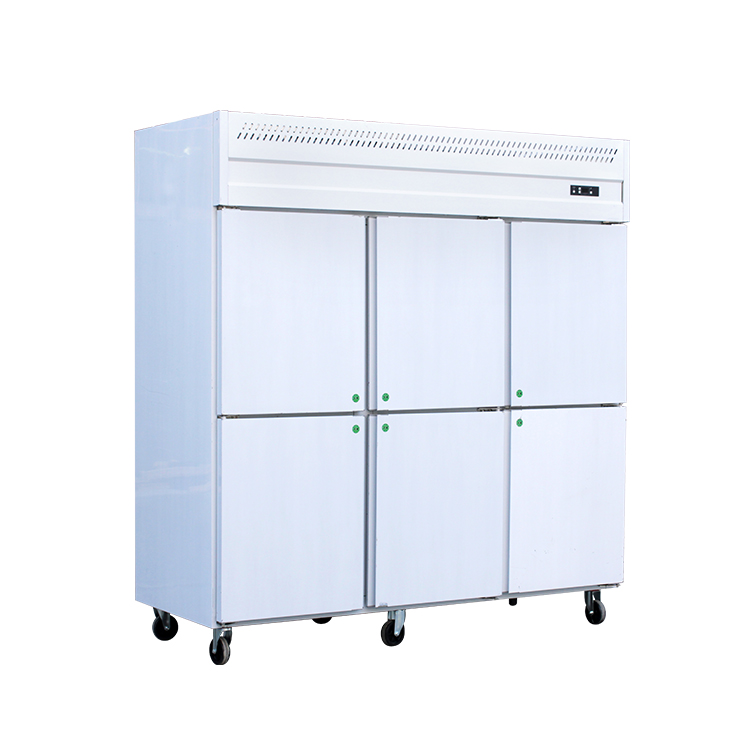
Moreover, design improvements are making these units more adaptable to tight spaces. Compact, modular uprights with adjustable shelving, built-in casters, and vertical orientation maximize floor space in kitchens and backrooms. Many models also feature durable, easy-to-clean surfaces resistant to corrosion and bacterial buildup—key considerations in hygiene-sensitive environments.
Despite the clear benefits, challenges remain. High upfront costs continue to deter some small- and medium-sized enterprises (SMEs), though financing options, government rebates, and ENERGY STAR incentives are helping bridge the gap. Additionally, workforce training remains a hurdle, as staff must understand how to properly operate and maintain smart refrigeration systems.
Looking ahead, industry leaders anticipate even greater integration between refrigeration units and broader facility management systems. Future models may include blockchain-based audit trails for temperature logs, automated inventory reordering based on consumption patterns, and solar-ready configurations for off-grid operations.
“The future of commercial refrigeration isn’t just about keeping things cold—it’s about creating intelligent, sustainable ecosystems,” said Marcus Lee, Chief Technology Officer at Frigidaire Professional. “We’re seeing businesses not only save money but also enhance brand reputation by demonstrating commitment to environmental stewardship and operational excellence.”
As North American businesses continue to prioritize efficiency, compliance, and innovation, the commercial upright refrigerator stands at the forefront of transformation—no longer just a utility, but a strategic asset in modern operations.
————————————
We are a professional manufacturer of Commercial Refrigerator and have extensive experience in the manufacturing of Bakery Equipment ,We also produce Western Kitchen Equipment.
Our wide range of products includes commercial refrigerators with excellent refrigeration and Steamed Rice Cabinet for different scenarios.
In addition, we also provide High Temperature Intelligent Disinfection Cabinet with intelligent control of high temperature and launch restaurant Warmer Dining Cart with excellent thermal insulation performance.
In the bakery industry, our equipment is trusted by customers, such as high capacity Commercial Oven For Bakery, and advanced Spiral Dough Mixer .We also provide stable Electric Dough Fermenting Proofer to meet the stringent requirements of different customers for the baking process.
