

Southeast Asia’s commercial oven market is witnessing a transformative surge, driven by evolving consumer preferences, urbanization trends, and robust investments in the food and beverage (F&B) sector. According to recent research by Frost & Sullivan, the region’s commercial oven market is projected to grow at a compound annual growth rate (CAGR) of 10.3% between 2024 and 2030, reaching a valuation of over USD 1.8 billion by 2030. This growth reflects broader shifts in how foodservice operators—from small cafés to large chain restaurants—are modernizing their kitchens to meet rising customer expectations.
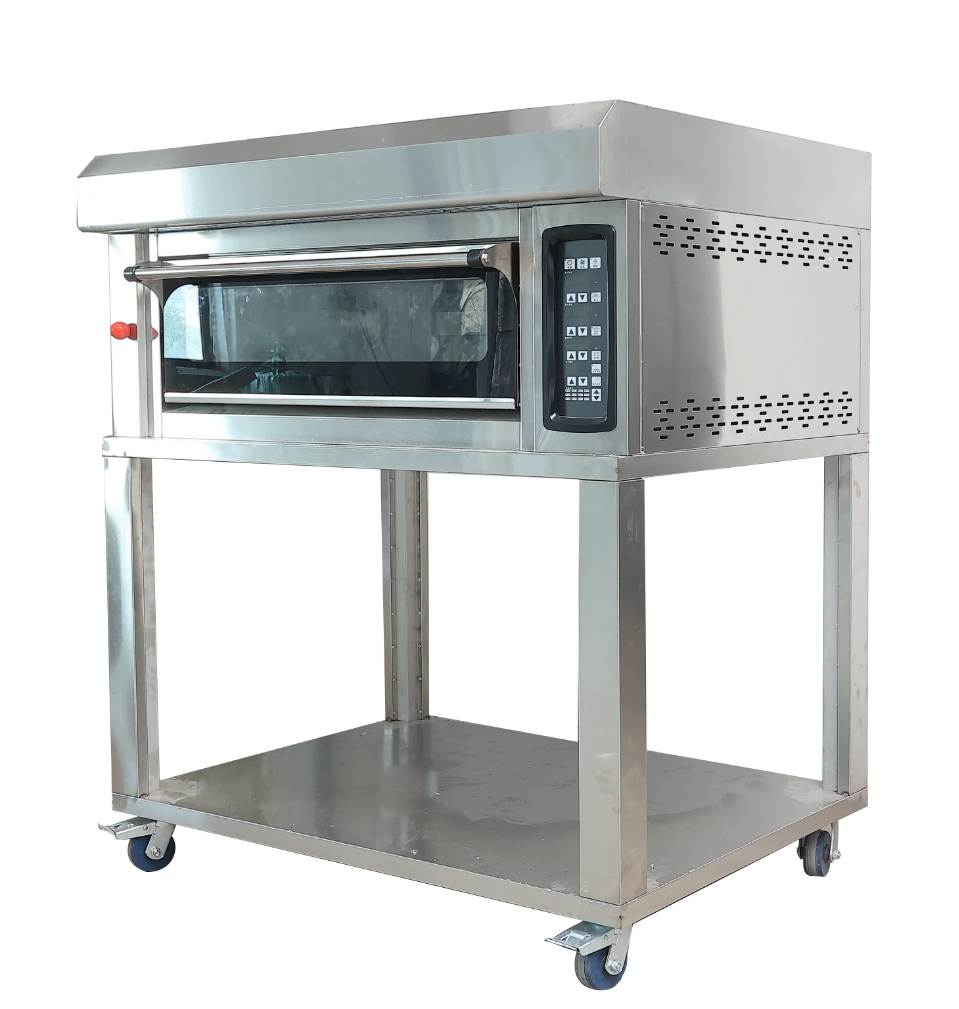
One of the primary catalysts behind this expansion is the region’s booming urban population. Cities like Jakarta, Bangkok, Manila, Ho Chi Minh City, and Singapore continue to attract both domestic and international F&B brands eager to tap into dense, young, and increasingly affluent consumer bases. As these cities expand their commercial real estate and mixed-use developments, so too does the need for high-performance, space-efficient commercial ovens capable of handling diverse culinary demands—from artisanal breads and pastries to mass-produced pizzas and roasted meats.
A notable trend shaping the market is the shift toward smart and connected kitchen appliances. Modern commercial ovens now integrate IoT (Internet of Things) capabilities, allowing remote monitoring, temperature control, recipe management, and predictive maintenance via mobile apps or cloud platforms. Brands such as Breville, Midea, and local innovators like Indonesia-based Kipas Kitchen are leading the charge with compact, energy-efficient models designed specifically for small-to-medium-sized bakeries and coffee shops.
“The demand for precision, consistency, and automation in commercial kitchens has never been higher,” said Lina Tan, Senior Analyst at Asian Culinary Technology Group. “Operators aren’t just buying ovens—they’re investing in entire kitchen ecosystems that improve efficiency, reduce waste, and enhance product quality.”
In addition to technological upgrades, sustainability is becoming a key differentiator. Many Southeast Asian governments are promoting green initiatives, and commercial kitchens are responding by adopting ovens with lower energy consumption and reduced emissions. In countries like Thailand and Vietnam, incentives for eco-friendly equipment have accelerated adoption rates, particularly among franchises and fast-casual chains aiming to achieve ESG (Environmental, Social, and Governance) compliance.
The rise of home delivery platforms like GrabFood, ShopeeFood, and Foodpanda has also intensified competition among F&B operators, pushing them to streamline production and ensure consistent product quality across multiple outlets. High-capacity, multi-zone ovens capable of baking dozens of items simultaneously are now standard in major chain kitchens, especially those specializing in baked goods and ready-to-eat meals.
Meanwhile, local manufacturers are gaining ground by offering cost-effective alternatives to imported European and Japanese models. Companies in Malaysia, India (supplying through regional hubs), and China are leveraging regional supply chains to deliver competitive pricing without sacrificing performance—making advanced oven technology accessible even to startups and independent entrepreneurs.
Despite the positive outlook, challenges remain. Supply chain disruptions, fluctuating raw material prices, and uneven infrastructure development across rural versus urban areas pose hurdles. Additionally, the lack of technical training for kitchen staff in some markets can slow down the effective integration of smart ovens.
To address these gaps, several industry associations and tech providers are launching training programs and after-sales support networks. For instance, the ASEAN Food Equipment Alliance recently launched a regional certification program to standardize installation and operation protocols for commercial ovens.
Looking ahead, the fusion of AI-driven cooking algorithms, voice-activated controls, and real-time analytics is expected to redefine the next generation of commercial ovens. These innovations will not only boost productivity but also empower chefs with data-driven insights to optimize recipes, manage inventory, and forecast demand.
“In the next five years, we’ll see commercial ovens evolve from simple heating devices into intelligent kitchen partners,” predicted Dr. Rajiv Mehta, Director of Innovation at S.E. Asia Culinary Tech Institute. “This isn’t just about baking—it’s about building smarter, more resilient food systems across Southeast Asia.”
With strong consumer demand, supportive policy environments, and continuous technological innovation, Southeast Asia’s commercial oven market stands at the forefront of a culinary revolution—one that promises greater efficiency, sustainability, and flavor for millions of diners across the region.
————————————
We are a professional manufacturer of Commercial Refrigerator and have extensive experience in the manufacturing of Bakery Equipment ,We also produce Western Kitchen Equipment.
Our wide range of products includes commercial refrigerators with excellent refrigeration and Steamed Rice Cabinet for different scenarios.
In addition, we also provide High Temperature Intelligent Disinfection Cabinet with intelligent control of high temperature and launch restaurant Warmer Dining Cart with excellent thermal insulation performance.
In the bakery industry, our equipment is trusted by customers, such as high capacity Commercial Oven For Bakery, and advanced Spiral Dough Mixer .We also provide stable Electric Dough Fermenting Proofer to meet the stringent requirements of different customers for the baking process.
