

The North American commercial oven market is undergoing a transformative phase, driven by evolving consumer preferences, technological innovation, and stringent sustainability regulations. According to a recent report by Grand View Research, the market was valued at $1.9 billion in 2023 and is expected to grow at a compound annual growth rate (CAGR) of 6.4% through 2027, reaching a projected value of $2.8 billion. This surge reflects a broader shift in the foodservice industry toward smarter, more efficient kitchen operations.
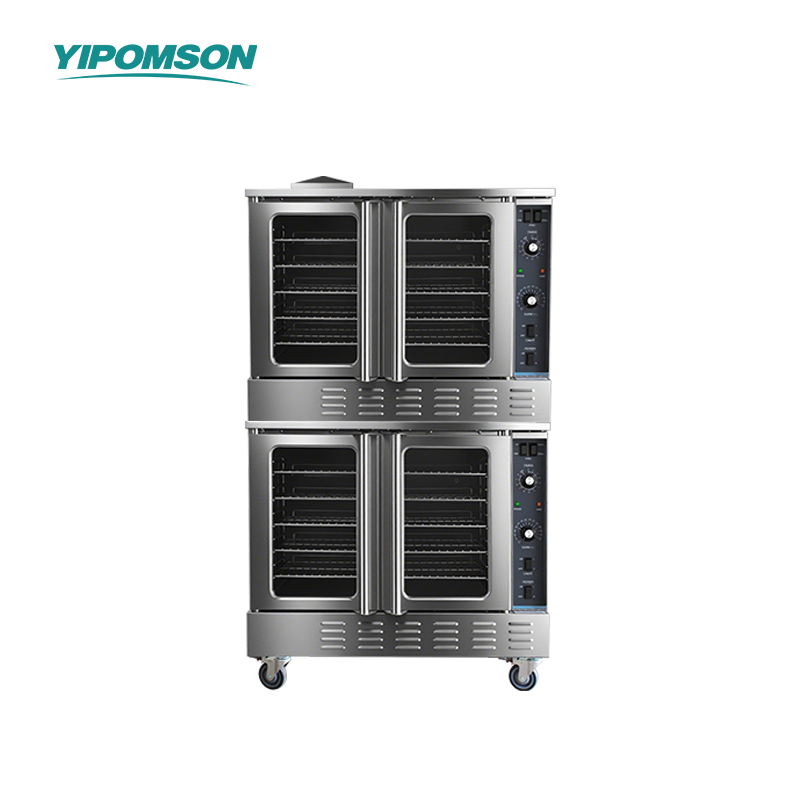
One of the primary catalysts behind this growth is the rapid expansion of quick-service restaurants (QSRs), cloud kitchens, and chain food operators across the U.S., Canada, and Mexico. These businesses prioritize consistency, speed, and scalability—factors that modern commercial ovens are uniquely designed to support. Advanced convection ovens, combi ovens, and infrared models now feature integrated digital controls, remote monitoring, and recipe management systems, enabling precise temperature regulation and batch consistency even during peak hours.
"Operators today aren’t just looking for ovens—they’re investing in intelligent kitchen ecosystems," said Maria Thompson, Senior Analyst at FoodTech Insights. "The ability to pre-program cooking cycles, track energy usage, and receive real-time maintenance alerts significantly reduces downtime and improves kitchen efficiency."
Energy efficiency has also emerged as a critical purchasing factor. With rising electricity costs and increased pressure to meet EPEAT and ENERGY STAR standards, manufacturers like True Manufacturing, Hobart, and Wolf have introduced next-generation ovens with advanced insulation, heat recovery systems, and low-standby power consumption. These features not only lower utility bills but also help operators comply with municipal green building codes and carbon reduction goals.
Sustainability is no longer a niche concern—it’s a business imperative. In response, companies such as GE Appliances and Maytag have launched eco-friendly product lines that use recycled materials and minimize waste during production. Additionally, some new oven models incorporate AI-powered load detection, automatically adjusting heat output based on the volume and type of food being cooked, reducing energy waste by up to 30%.
Another significant trend is the rise of automation and integration with kitchen management software. Cloud-connected ovens can sync with point-of-sale (POS) systems, allowing chefs to initiate cooking sequences directly from order data. This seamless integration minimizes human error, accelerates service times, and supports the growing demand for contactless, streamlined operations—especially relevant in the post-pandemic era.
The U.S. remains the dominant player in the regional market, accounting for over 65% of total revenue, followed by Canada and Mexico. However, emerging markets in Mexico are showing strong potential due to increased investment in restaurant franchising and urbanization. The demand for compact, modular ovens tailored for small-format kitchens—such as those found in delivery-only ghost kitchens—is particularly high in major metropolitan areas like Los Angeles, Toronto, and Mexico City.
Despite the positive outlook, challenges remain. Supply chain disruptions, fluctuating raw material prices, and skilled labor shortages continue to impact manufacturing timelines and installation services. Moreover, the high upfront cost of smart ovens can deter smaller independent operators, though leasing and financing options are increasingly available to bridge the gap.
Looking ahead, the future of the North American commercial oven market lies in convergence—where cooking appliances become part of an interconnected, data-driven kitchen network. Predictive analytics, machine learning, and IoT-enabled diagnostics are expected to play pivotal roles in optimizing performance and extending equipment lifespan.
“By 2030, we’ll see commercial ovens not just cooking food—but communicating with other devices, analyzing usage patterns, and even suggesting inventory restocking,” predicted Dr. James Reed, Director of Culinary Technology at Cornell University’s School of Hotel Administration.
As the foodservice sector continues its digital transformation, commercial ovens are no longer passive tools but active contributors to operational excellence. With sustainability, efficiency, and intelligence at the forefront, the North American market stands poised for sustained growth—and innovation—well into the next decade.
————————————
We are a professional manufacturer of Commercial Refrigerator and have extensive experience in the manufacturing of Bakery Equipment ,We also produce Western Kitchen Equipment.
Our wide range of products includes commercial refrigerators with excellent refrigeration and Steamed Rice Cabinet for different scenarios.
In addition, we also provide High Temperature Intelligent Disinfection Cabinet with intelligent control of high temperature and launch restaurant Warmer Dining Cart with excellent thermal insulation performance.
In the bakery industry, our equipment is trusted by customers, such as high capacity Commercial Oven For Bakery, and advanced Spiral Dough Mixer .We also provide stable Electric Dough Fermenting Proofer to meet the stringent requirements of different customers for the baking process.
