

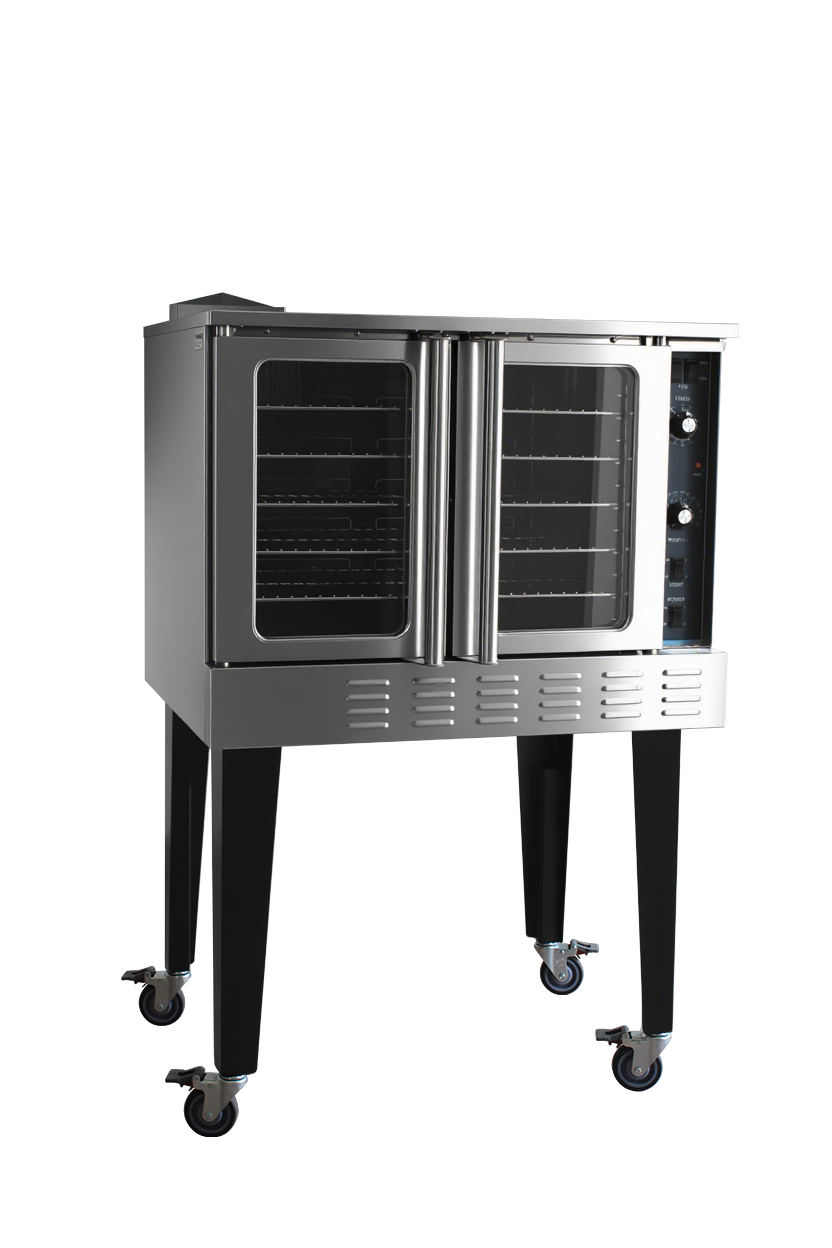
Why Commercial Ovens Are Indispensable in Foodservice
The modern food industry thrives on speed, consistency, and efficiency. A commercial oven offers several advantages over domestic units, making it indispensable in professional kitchens:
-
Capacity – Larger trays and multiple racks allow chefs to cook more food at once.
-
Durability – Heavy-duty construction withstands constant use.
-
Precision – Digital temperature controls ensure consistent cooking results.
-
Versatility – Suitable for baking, roasting, grilling, and even steaming.
-
Energy Efficiency – Many models are optimized for reduced operating costs.
Whether in a bakery, café, pizzeria, or fine dining restaurant, having the right commercial oven can directly impact productivity and customer satisfaction.
Types of Commercial Ovens
The variety of commercial ovens available ensures that every foodservice business can find the right match for its menu.
1. Convection Oven
A commercial convection oven uses fans to circulate hot air, ensuring even cooking. Perfect for baking pastries, roasting vegetables, and cooking meats.
2. Deck Oven
Commonly used in bakeries and pizzerias, deck ovens provide direct heat from stone or ceramic surfaces, producing crispy crusts and artisanal-style breads.
3. Combination Oven (Combi Oven)
A combi oven combines convection and steam cooking. This flexibility makes it ideal for delicate dishes such as seafood or for large-scale cooking where consistency is crucial.
4. Conveyor Oven
Mostly used in fast-food restaurants and pizzerias, conveyor ovens cook food evenly as it travels along a conveyor belt, perfect for high-volume operations.
5. Commercial Pizza Oven
Specialized ovens designed to handle extreme heat, producing authentic Italian-style pizzas with perfectly cooked bases and toppings.
6. Rotisserie Oven
Ideal for roasting chicken and other meats, rotisserie ovens provide even browning and juicy results.
Key Features of a Commercial Oven
When investing in a restaurant oven, businesses should consider the following features:
-
Temperature Range and Control – Consistent, precise heat settings.
-
Cooking Modes – Convection, steam, grill, or bake functions.
-
Size and Capacity – Racks and trays to meet the needs of busy kitchens.
-
Energy Source – Options include commercial gas ovens and electric ovens, each with pros and cons.
-
Ease of Cleaning – Stainless steel interiors and removable racks.
-
Safety Features – Overheat protection, insulated doors, and automatic shut-off.
Applications of Commercial Ovens
Commercial ovens are essential in many different sectors of the foodservice industry:
-
Restaurants – From roasting meats to baking desserts.
-
Bakeries – Production of bread, cakes, croissants, and pastries.
-
Pizzerias – High-temperature ovens ensure authentic, crispy pizzas.
-
Hotels & Catering Services – Large-capacity ovens handle banquets and buffets.
-
Cafeterias & Schools – Preparing large quantities of food efficiently.
-
Food Production Facilities – Industrial ovens are used for packaged food items.
How Commercial Ovens Improve Efficiency and Sales
A commercial oven is more than just equipment—it’s a business investment. Efficient ovens reduce cooking times, allowing restaurants to serve more customers during peak hours. At the same time, consistency ensures that every customer enjoys the same taste and quality, strengthening brand reputation.
For example:
-
A bakery with a deck oven can produce rustic bread that attracts loyal customers.
-
A fast-food chain with a conveyor pizza oven can handle high volumes while maintaining speed and quality.
-
A fine-dining restaurant with a combi oven can expand its menu versatility without needing multiple appliances.
Maintenance and Cleaning of Commercial Ovens
To ensure long-lasting performance, commercial ovens require proper care:
-
Daily Wipe-Downs – Clean spills and crumbs to avoid smoke and odor.
-
Deep Cleaning – Regularly clean racks, trays, and interior walls.
-
Check Gas or Electrical Connections – Ensure safe operation.
-
Inspect Heating Elements and Fans – Prevent uneven cooking.
-
Professional Servicing – Annual maintenance extends lifespan.
With proper maintenance, a commercial gas oven or electric oven can serve a business for many years.
Trends in Commercial Oven Technology
The future of commercial ovens lies in innovation and sustainability:
-
Smart Ovens – WiFi-enabled controls allow chefs to monitor cooking remotely.
-
Energy-Saving Systems – Eco-friendly ovens reduce power consumption.
-
Programmable Settings – Store cooking programs for different recipes.
-
Self-Cleaning Features – Reduce manual labor and improve hygiene.
-
Compact Multi-Function Models – Save space while offering multiple cooking methods.
These advancements help businesses improve workflow and reduce costs while keeping up with customer demand for high-quality food.
The commercial oven is the backbone of any professional kitchen. From bakeries to restaurants, hotels to catering businesses, its role is indispensable. By offering efficiency, consistency, and versatility, it not only improves operations but also helps businesses meet customer expectations and boost profitability.
For foodservice operators, investing in the right restaurant oven—whether convection, deck, or combi—ensures long-term success in an increasingly competitive market.