The commercial foodservice landscape across the United States and Canada is undergoing its most significant operational transformation in decades, driven by a single, powerful catalyst: the rapid adoption of multi-functional gas kitchen equipment. As restaurant margins tighten, labor shortages persist, and sustainability mandates intensify, operators from quick-service chains to high-end steakhouses are turning to versatile gas-powered platforms that combine griddles, charbroilers, ovens, and steam systems into single, space-saving footprints. Industry analysts now project that the North American market for these hybrid cooking solutions will exceed USD 4.8 billion by 2030, growing at a compound annual rate of 7.2% from 2026 – a pace that outpaces almost every other category in foodservice hardware.
Why Multi-Functional Gas Equipment Is No Longer a Luxury
For decades, commercial kitchens relied on single-purpose appliances: a griddle for breakfast, a charbroiler for lunch proteins, a convection oven for baking, and a steamer for vegetables. That linear model is collapsing under the weight of energy costs, kitchen real estate prices, and the need for menu agility. Today’s commercial gas cooking systems are engineered to perform five or more cooking methods in one unit – searing, sautéing, boiling, roasting, and even smoke-infusing – all while maintaining precise temperature zones that would have required three separate machines a decade ago.
The economic case is equally compelling. A typical standalone gas griddle consumes 40,000–60,000 BTUs per hour; a combi griddle-oven unit with dual overhead broilers uses roughly the same input but delivers triple the output capacity. For a 150-seat restaurant, swapping three single-purpose units for two multi-functional platforms can cut annual gas bills by 18–22%, according to recent field tests conducted by the Gas Technology Institute. When paired with advanced electronic ignition and modulating gas valves, these units achieve thermal efficiencies above 78%, compared to the industry average of 62% for legacy equipment.
Product Deep-Dive: The New Breed of Gas Cooking Workhorses
This year’s National Restaurant Association Show in Chicago spotlighted several breakthrough products that define the category. Leading the pack is the Vulcan V-Series Multifunction Gas Range, a 60-inch unit that integrates a 36-inch thermostatically controlled griddle, a 24-inch radiant charbroiler with cast-iron radiants, and a 10-pan capacity convection oven beneath. What sets it apart is its proprietary “Heat-Shift” damper system, which allows operators to redirect up to 40% of oven exhaust heat back to the griddle surface – a feature that reduces preheat time from 18 minutes to just 11. The unit is CSA-certified for both natural gas and liquid propane, with optional Wi-Fi monitoring that tracks burner cycles and alerts managers to maintenance needs before a service disruption occurs.
Another standout is the Middleby PSG-500 Series, a modular gas cooking system that pairs a tilting skillet with a pasta cooker and a flash-broiler in a single chassis. Designed specifically for high-volume corporate cafeterias and university dining halls, the PSG-500 can produce 500 meals per hour across five different cooking zones, each independently controlled via a 7-inch capacitive touchscreen. The system’s onboard AI learns operator habits – for instance, if the skillet is used for stir-frying between 11:30 AM and 1:00 PM daily, it automatically adjusts the gas flow curve to maintain consistent wok-hei (the smoky “breath of the wok”) while reducing idle pilot consumption by 31%.
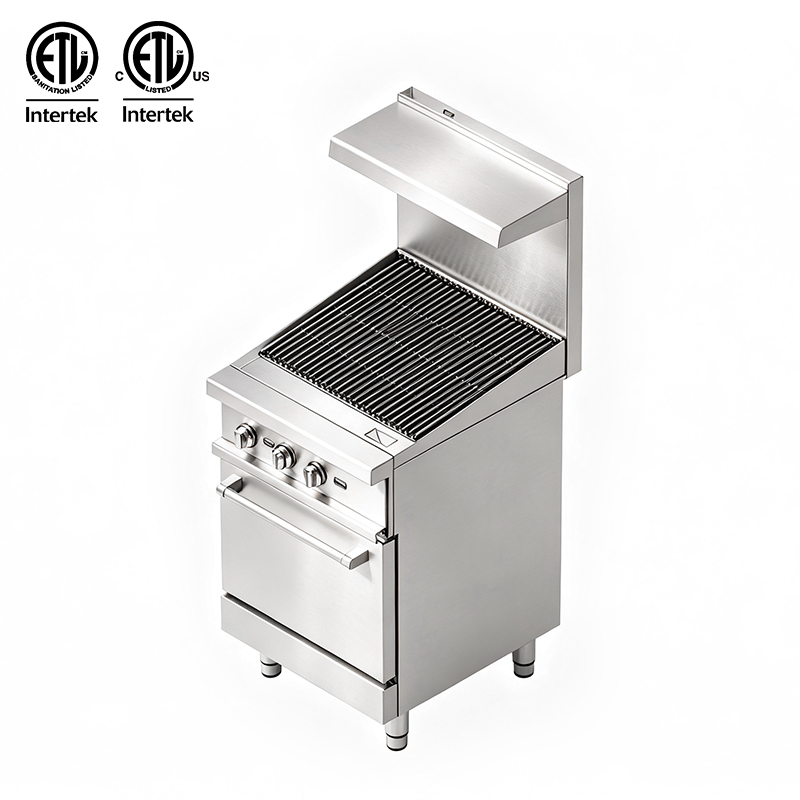
For smaller footprints, the Star-Max XE Combi-Griddle (available in 24- and 36-inch widths) combines a smooth steel griddle on the left with a grooved “char-grill” section on the right, plus a pull-out infra-red broiler underneath. Its dual-gas manifold allows chefs to run the griddle at 350°F for eggs while simultaneously firing the char-grill at 650°F for burgers – all from a single 3/4-inch gas line. Early adopters report that the XE model has cut their breakfast-to-lunch changeover time by 40%, directly boosting daily cover counts.
Sustainability and Emissions: The Regulatory Tailwind
While performance and versatility drive purchase decisions, regulatory pressure is accelerating replacement cycles. California’s Title 24 and New York City’s Local Law 97 have imposed strict limits on kitchen exhaust particulate matter, pushing operators to upgrade to energy-efficient gas cooking technology that produces lower NOx and CO emissions. Multi-functional units inherently support this shift because they consolidate cooking tasks, reducing total burner-on time and associated fugitive emissions.
In Canada, the federal Carbon Pollution Pricing system has made natural gas more expensive in provinces like Ontario and British Columbia, prompting restaurateurs to seek equipment that extracts maximum culinary value per therm consumed. Newer models feature oxygen-depletion sensors and flame rectification circuits that cut gas supply within 0.4 seconds if the flame extinguishes – a safety and waste-reduction feature now standard in over 80% of premium multi-functional gas kitchen equipment sold north of the border.
“We’re not just selling BTUs; we’re selling yield,” explains Sarah Chen, Head of Commercial Sales for a Toronto-based distributor. “A conventional range wastes about 15% of its heat to ambient air. Our multi-functional platforms use ribbed burner caps and forced-air convection to trap that heat inside the cooking cavity. For a chain with 200 locations, that translates to almost CAD 90,000 in annual energy savings – and a measurable drop in Scope 2 emissions.”
The Connectivity Revolution in Gas Kitchens
Perhaps the most underreported aspect of this equipment wave is the integration of IoT and predictive analytics. Modern multi-functional gas kitchen equipment comes equipped with embedded thermocouples, flow meters, and accelerometers that monitor door openings, grease buildup, and burner orifice cleanliness. These sensors feed data into cloud-based dashboards that not only display real-time usage but also recommend cleaning cycles and flag efficiency drift.
For instance, the new Garland MCS-8000 (Master Control System) uses machine learning to compare a unit’s performance against a fleet average of 12,000 other connected gas appliances. If the system detects that a griddle’s recovery time after loading has increased by more than 8 seconds, it sends a predictive alert – often diagnosing a clogged pilot orifice or a worn thermostat probe before the chef even notices. Early data from a 50-store pizza chain shows that this predictive maintenance reduced unexpected downtime by 63% over six months.
Connectivity also enables remote menu programming. A corporate chef can push new temperature profiles to all store locations simultaneously, ensuring consistent browning and doneness across diverse altitudes and gas compositions. This is particularly valuable for franchises operating from sea-level Miami to high-altitude Denver, where gas oxygen ratios vary significantly.
Furthermore, many units now incorporate auto-lift griddle plates and self-cleaning burner cycles that use high-temperature pyrolysis to carbonize food residue, which is then wiped away without caustic chemicals. This not only improves hygiene but also cuts cleaning labor by 50–70 minutes per shift – time that can be reallocated to prep or plating.
Market Outlook and Investment Trends for 2026–2030
Investment capital is flowing into this segment. In the first half of 2026 alone, three major private equity firms acquired stakes in gas equipment manufacturers specializing in modular, multi-functional designs. Meanwhile, equipment leasing companies report that multi-functional gas units now account for 41% of all new commercial kitchen leases, up from 28% in 2023.
The driving force behind this growth is not just new construction but also retrofit. Thousands of existing restaurants are replacing aging electric and single-function gas lines with flexible gas-rigged combos, often taking advantage of utility rebate programs that offer USD 1,200–2,500 per unit for energy-efficient gas cooking systems. In Ontario, the Save on Energy program provides similar incentives for commercial kitchens that achieve a 25% improvement in cooking efficiency.
Geographically, the Sun Belt states – Texas, Florida, Arizona – show the highest adoption rates due to high-volume tourism and year-round patio dining, which increases demand for rapid-fire grilling and searing. The Northeast corridor follows closely, driven by dense urban micro-kitchens where floor space is at a premium.
Challenges and Considerations
No technology is without hurdles. The upfront cost of a premium multi-functional gas unit ranges from USD 8,000 to USD 22,000, compared to USD 4,000–6,000 for a standard four-burner range. However, manufacturers counter that the payback period, factoring in energy savings, labor reduction, and increased throughput, averages 14–18 months – far shorter than the 5- to 7-year lifespan of the equipment.
————————————
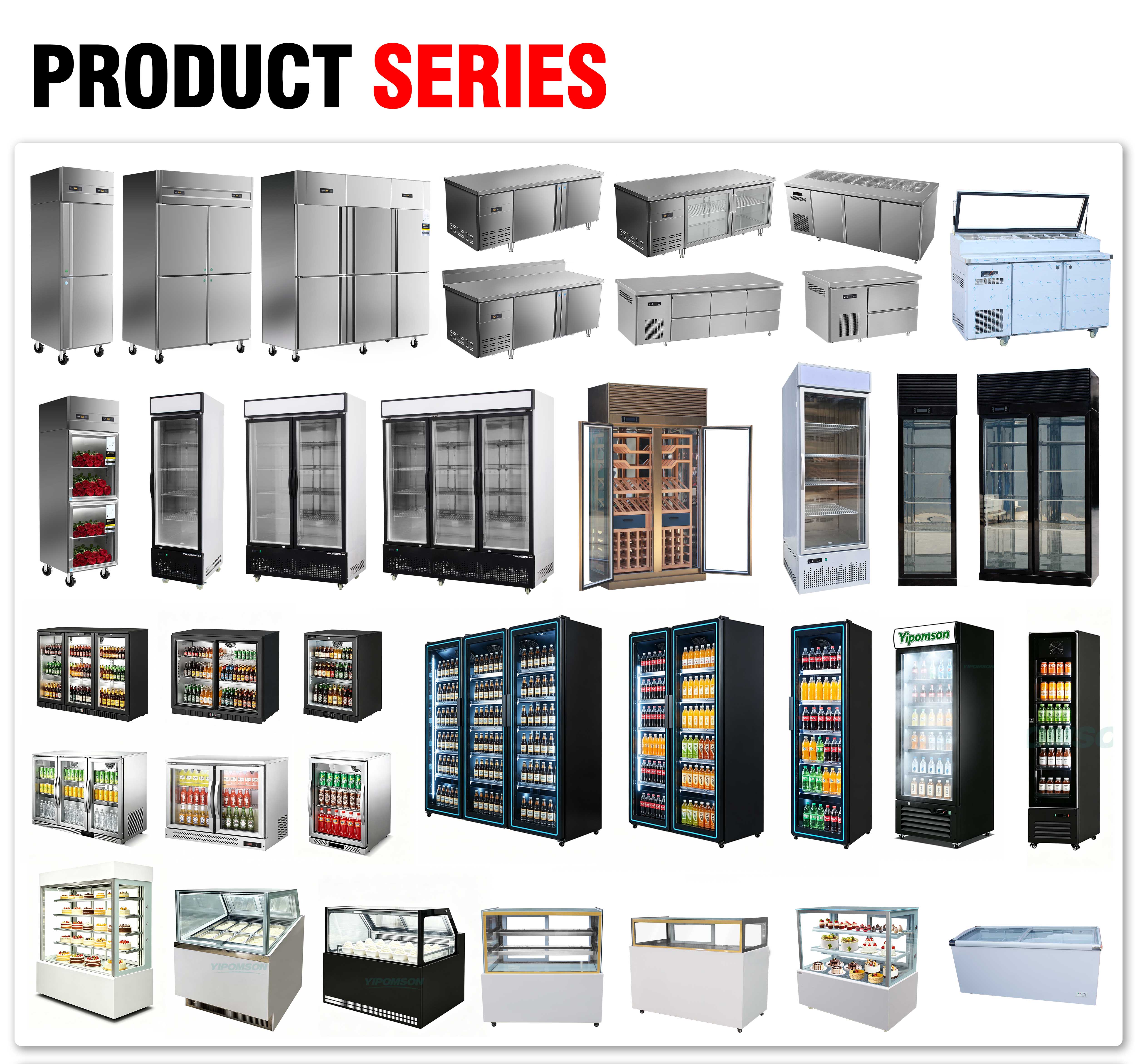
We are a professional manufacturer of Commercial Refrigerator and have extensive experience in the manufacturing of Bakery Equipment ,We also produce Western Kitchen Equipment.
Our wide range of products includes commercial refrigerators with excellent refrigeration and Steamed Rice Cabinet for different scenarios.
In addition, we also provide High Temperature Intelligent Disinfection Cabinet with intelligent control of high temperature and launch restaurant Warmer Dining Cart with excellent thermal insulation performance.
In the bakery and cooking industry, our equipment is trusted by customers, such as high capacity Commercial Gas Convection Oven.We also provide stable Gas Charbroiler,Gas Griddle,Gas Ranges and Gas deep fryer to meet the stringent requirements of different customers for the baking process.