In the sweltering heat of Southeast Asia’s tropical climate, where temperatures often exceed 35°C (95°F) and humidity levels soar, maintaining food safety during transportation has long been a critical challenge. From street vendors in Phnom Penh to office caterers in Manila, foodborne illness outbreaks linked to poor temperature control have plagued both consumers and businesses. Now, a growing number of entrepreneurs and food service providers across Thailand, Vietnam, Indonesia, and the Philippines are turning to a powerful solution: the **commercial insulated food truck**—a high-performance, temperature-controlled mobile kitchen designed specifically for the region’s demanding conditions.
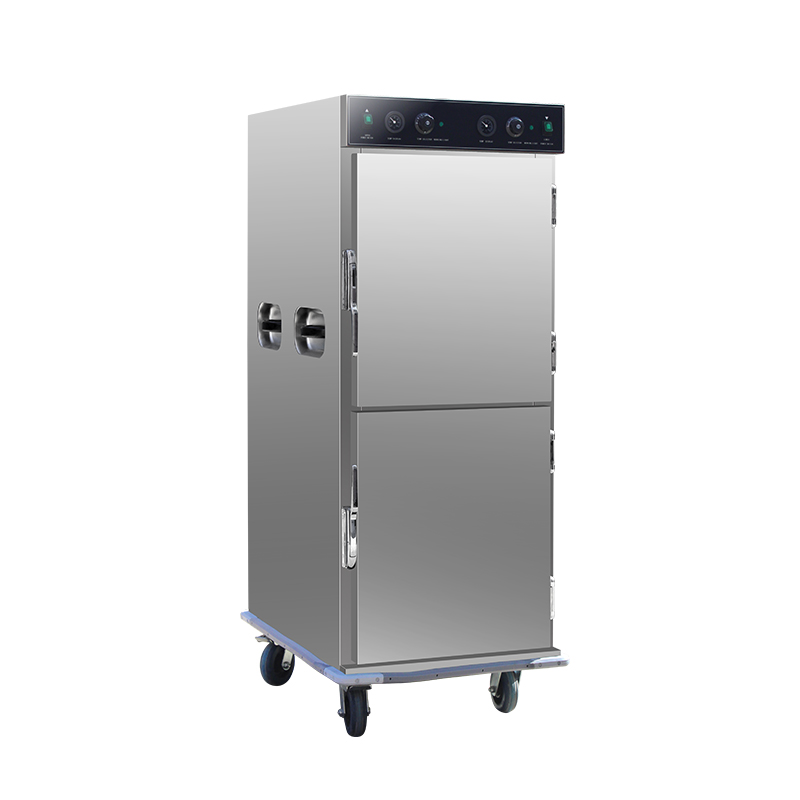
These modern food trucks, equipped with advanced vacuum insulation, durable stainless steel exteriors, and integrated cooling/heating systems, are redefining how meals are delivered. Unlike traditional metal trolleys or basic canvas-covered carts, today’s insulated food trucks can keep hot dishes above 60°C (140°F) for over six hours and cold items below 5°C (41°F) for up to eight hours—meeting international food safety standards even in peak summer months.
One of the most notable success stories comes from **Bangkok, Thailand**, where *Saffron Bites*, a fast-growing cloud kitchen chain, recently deployed a fleet of 12 insulated food trucks to serve corporate clients across the city’s business districts. “Before we switched to insulated vehicles, our lunch deliveries were often arriving lukewarm or spoiling by midday,” said CEO Nattapong Srisuwan. “Now, thanks to the double-layered thermal insulation and real-time temperature monitoring via IoT sensors, every meal arrives at the perfect temperature—and our customer complaints have dropped by 78%.”
The technology behind these trucks goes beyond simple insulation. Many models now feature solar-powered refrigeration units, GPS tracking, and smartphone-integrated dashboards that alert staff if internal temperatures deviate from safe ranges. In Vietnam, *Hanoi Fresh Meals* has partnered with local tech startups to develop AI-driven routing systems that optimize delivery schedules based on traffic patterns and ambient weather data—reducing fuel consumption by up to 30% while improving on-time delivery rates.
Beyond convenience, the adoption of commercial insulated food trucks is also contributing to sustainability. By minimizing food waste caused by spoilage and enabling more efficient delivery routes, these vehicles help reduce the carbon footprint of urban food distribution. In Jakarta, a pilot program by the city government distributed 50 insulated food trucks to small-scale street vendors through a green entrepreneurship initiative. The results were striking: participating vendors reported a 45% reduction in daily food loss and a 20% increase in average daily revenue due to improved food presentation and customer trust.
Cultural adaptation is another key factor driving adoption. In the Philippines, where *kainan* (street food) remains deeply embedded in daily life, local manufacturers like *Tinigas Mobility Solutions* have customized their insulated food trucks with vibrant, culturally inspired designs—bright murals depicting jeepneys, rice fields, and local festivals—making them not just functional but also community icons. “It’s not just about keeping food warm,” said Maria Lourdes Cruz, a vendor in Cebu City. “It’s about pride in our craft and proving that street food can be professional, clean, and reliable.”
The trend is also gaining traction in the hospitality and education sectors. Schools in Ho Chi Minh City have begun using insulated food trucks to deliver hot lunches to remote campuses, ensuring students receive nutritious meals regardless of location. Similarly, luxury resorts in Bali are employing these vehicles to shuttle gourmet buffet trays between beachside pavilions and dining zones—without compromising flavor or freshness.
Experts predict that the market for commercial insulated food trucks in Southeast Asia will grow by over 22% annually through 2030, driven by rising consumer demand for safe, convenient, and hygienic food options. According to a recent report by the ASEAN Food Innovation Network, nearly 60% of urban food service providers surveyed expressed interest in adopting temperature-controlled mobile units within the next two years.
As cities expand and populations grow, the need for resilient, adaptable, and scalable food logistics solutions becomes ever more urgent. With their blend of innovation, durability, and cultural relevance, commercial insulated food trucks are no longer just a luxury—they’re becoming an essential tool in building a safer, more sustainable food future across Southeast Asia.
For vendors, restaurateurs, and city planners alike, one truth is clear: in a region where heat is constant and expectations are rising, staying cool—literally and figuratively—is the key to success.
————————————
We are a professional manufacturer of Commercial Refrigerator and have extensive experience in the manufacturing of Bakery Equipment ,We also produce Western Kitchen Equipment.
Our wide range of products includes commercial refrigerators with excellent refrigeration and Steamed Rice Cabinet for different scenarios.
In addition, we also provide High Temperature Intelligent Disinfection Cabinet with intelligent control of high temperature and launch restaurant Warmer Dining Cart with excellent thermal insulation performance.
In the bakery and cooking industry, our equipment is trusted by customers, such as high capacity Commercial Gas Convection Oven.We also provide stable Gas Charbroiler,Gas Griddle,Gas Ranges and Gas deep fryer to meet the stringent requirements of different customers for the baking process.