

In recent years, the European market has witnessed a transformative shift in commercial kitchen equipment, with gas convection ovens emerging as a preferred choice for professional kitchens across the continent. Driven by rising energy costs, tightening environmental regulations, and an increasing demand for consistent, high-quality baked goods, these advanced ovens are redefining standards in the food service industry—from Michelin-starred restaurants to large-scale hotel chains and institutional cafeterias.
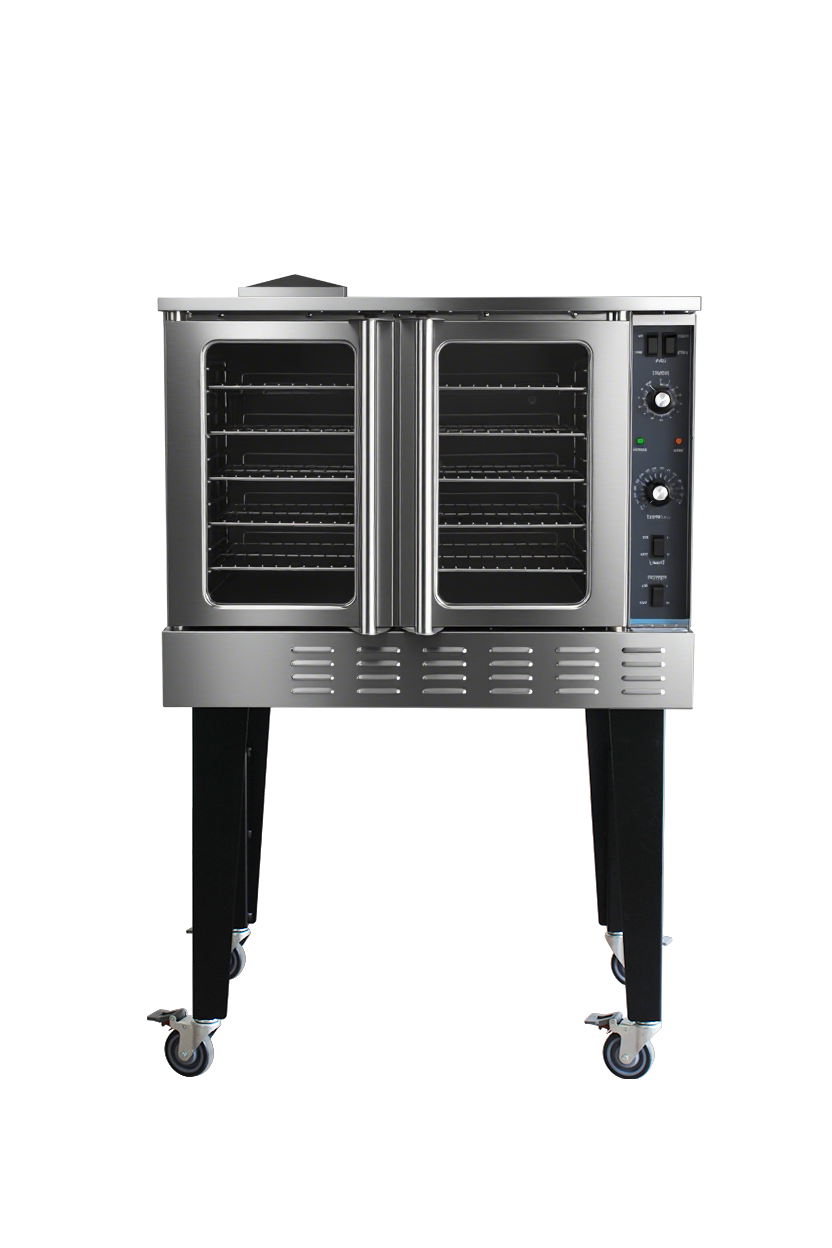
Unlike traditional static ovens, gas convection ovens utilize powerful fans to circulate hot air evenly throughout the cooking chamber, ensuring uniform heat distribution and significantly reducing cooking times. This not only boosts kitchen productivity but also enhances the texture and appearance of breads, pastries, pizzas, and roasted meats—critical factors for chefs aiming to deliver premium culinary experiences.
One of the most compelling advantages of modern gas convection ovens is their improved energy efficiency. Recent models now incorporate advanced insulation materials, precise gas control systems, and intelligent temperature management technologies that can reduce fuel consumption by up to 30% compared to older models. These innovations align closely with the European Union’s Green Deal and Ecodesign Directive, which mandate stricter energy performance standards for all household and commercial appliances by 2025.
Manufacturers such as Wolf, Groupe SEB, Midea Professional, and Henny Penny have responded to this demand by launching next-generation gas convection ovens equipped with digital controls, remote monitoring via IoT platforms, and real-time diagnostics. For example, some units now feature app-based interfaces that allow kitchen managers to adjust settings, track usage patterns, and schedule maintenance—all contributing to reduced downtime and optimized operations.
The adoption of these ovens is particularly strong in countries like Germany, France, Italy, and the Netherlands, where the hospitality and foodservice sectors are highly developed and increasingly focused on sustainability. In Germany, over 60% of new commercial kitchens in upscale restaurants and hotel chains now specify gas convection ovens, according to a 2023 survey by the German Association of Hotel and Restaurant Technology (DTH). Similarly, in France, a growing number of bakery chains are replacing electric ovens with gas-powered convection models due to lower operating costs and better heat retention.
Another key factor driving market growth is the versatility of gas convection ovens. They support multiple cooking modes—including roasting, grilling, steaming, and baking—making them ideal for multi-functional kitchens. This flexibility is especially valuable in small-to-medium-sized restaurants where space and budget constraints limit the ability to invest in separate specialized equipment.
Moreover, gas ovens offer faster preheating times and more responsive temperature adjustments than electric counterparts, allowing chefs to maintain tighter control over delicate recipes. The direct flame heating method also provides a unique browning effect—especially prized in artisanal bread-making and pizza production—resulting in crusts with superior flavor and crispness.
Environmental concerns are also pushing the market toward cleaner combustion technologies. Many new models now include low-emission burners that minimize nitrogen oxide (NOx) and carbon monoxide (CO) output, helping facilities meet strict urban air quality standards. Some ovens even come with catalytic converters or flue gas recirculation systems to further reduce emissions.
From a cost-of-ownership perspective, while initial investment may be higher than basic models, the long-term savings in fuel and maintenance make gas convection ovens a financially sound choice. A case study conducted by the European Food Equipment Association (EFEA) found that a typical commercial kitchen could achieve a return on investment within three to four years through reduced energy bills and increased throughput.
Looking ahead, experts predict continued expansion in the European gas convection oven market, fueled by ongoing innovation and regulatory alignment. Emerging trends include hybrid models combining gas and electric elements, solar-assisted oven systems, and AI-driven recipe optimization that automatically adjusts cooking parameters based on load size and ingredient type.
“Gas convection ovens are no longer just about cooking—they’re about sustainability, precision, and scalability,” said Dr. Lena Müller, a food technology analyst at Berlin-based InnovateKitchen Research. “They represent the future of professional kitchens in Europe, where efficiency, environmental responsibility, and culinary excellence must go hand in hand.”
As European businesses strive to balance profitability with ecological stewardship, the rise of the commercial gas convection oven stands as a testament to how technological advancement can drive both economic and environmental benefits—a win-win solution for kitchens across the continent.
————————————
We are a professional manufacturer of Commercial Refrigerator and have extensive experience in the manufacturing of Bakery Equipment ,We also produce Western Kitchen Equipment.
Our wide range of products includes commercial refrigerators with excellent refrigeration and Steamed Rice Cabinet for different scenarios.
In addition, we also provide High Temperature Intelligent Disinfection Cabinet with intelligent control of high temperature and launch restaurant Warmer Dining Cart with excellent thermal insulation performance.
In the bakery industry, our equipment is trusted by customers, such as high capacity Commercial Oven For Bakery, and advanced Spiral Dough Mixer .We also provide stable Electric Dough Fermenting Proofer to meet the stringent requirements of different customers for the baking process.
