

In the fast-evolving landscape of North American foodservice operations, one quiet revolution is taking shape—behind the scenes, in the back-of-house kitchens: the rise of the commercial rice steamer. Once considered a niche appliance, these advanced steam cooking systems are now central to modern kitchen design, driven by growing demand for efficient, consistent, and eco-friendly solutions in restaurants, hotels, healthcare facilities, and educational institutions.
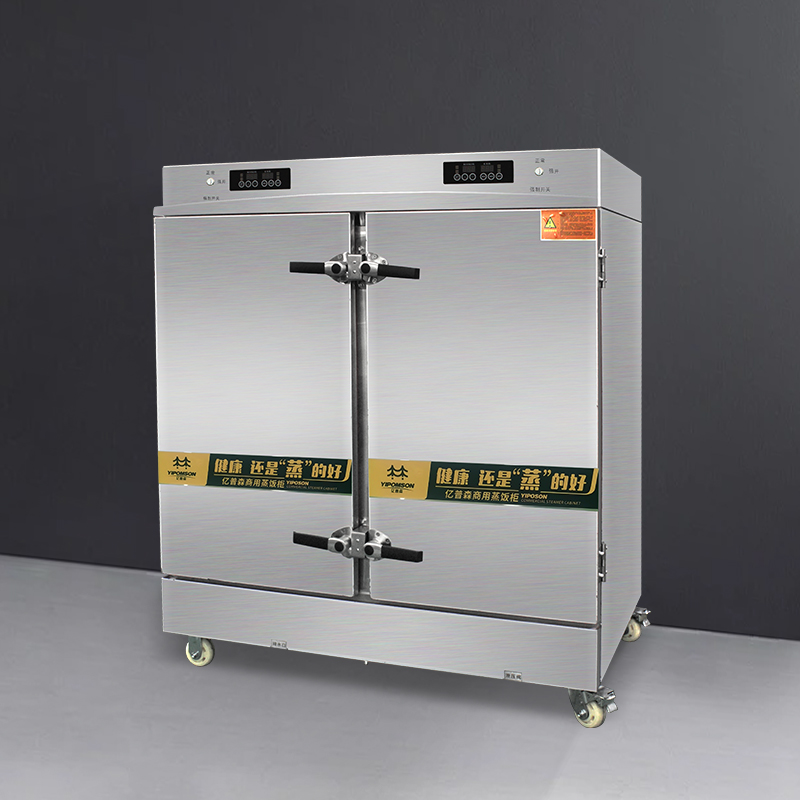
According to recent industry reports from the National Restaurant Association and Foodservice Equipment & Supplies Association (FESA), commercial rice steamer sales in the U.S. and Canada have grown by over 28% year-over-year since 2022. This surge reflects broader shifts in consumer preferences—favoring fresh, healthy, and sustainably prepared meals—and a rising need among operators to reduce labor costs, minimize waste, and comply with green kitchen initiatives.
The appeal lies in what the machines do—and what they don’t do. Unlike traditional rice cookers that rely on direct heat or boiling water, commercial rice steamers use controlled steam circulation to gently cook grains. The result? Perfectly fluffy, evenly cooked rice every time—without the risk of burning, sticking, or undercooking. A single unit can produce up to 150 pounds of rice per hour, making it ideal for high-volume operations such as buffet lines, catering services, and institutional meal programs.
“Before we invested in our new commercial rice steamer, we were manually cooking rice in pots—time-consuming, inconsistent, and wasteful,” said Maria Thompson, head chef at GreenLeaf Bistro in Portland, Oregon. “Now, we load the rice, set the timer, and walk away. In less than an hour, we have perfectly cooked basmati, jasmine, and brown rice—no stirring, no cleanup. It’s been a game-changer.”
Beyond operational efficiency, sustainability is a major driver. Modern commercial rice steamers boast energy-saving features such as rapid heating elements, insulated chambers, and programmable timers that cut power usage by up to 40% compared to conventional methods. Many models also include water recycling systems and low-steam emission technology, reducing environmental impact and helping kitchens meet ESG (Environmental, Social, and Governance) goals.
Manufacturers like Tefal Professional, Midea Commercial, and Hoshizaki have responded with next-generation models featuring IoT integration, remote monitoring via mobile apps, and AI-driven cooking profiles tailored to specific rice varieties. These smart appliances allow kitchen managers to track performance, adjust settings in real time, and ensure compliance with health and safety standards—all while reducing food waste through precise portion control.
The versatility of commercial rice steamers has also expanded beyond simple rice preparation. Today’s units can handle grains like quinoa, barley, farro, and even dried beans, offering multi-functional value in diverse menus. In hospital kitchens, where nutrition and dietary restrictions are paramount, steamers provide a safe, allergen-free environment—free from metal leaching and chemical additives common in other cooking methods.
Moreover, regulatory bodies and health inspectors are increasingly recognizing steam cooking as a preferred method for food safety. Because steam doesn’t involve open flames or contact with hot surfaces, the risk of cross-contamination and fire hazards is significantly reduced—critical in large-scale operations.
As the demand grows, so does innovation. New models now feature modular trays, built-in hygiene systems with self-cleaning cycles, and compatibility with cloud-based kitchen management platforms. Some units even integrate with inventory systems, automatically placing orders when rice supplies run low—an example of how smart kitchen tech is redefining efficiency.
Industry experts predict that by 2027, over 60% of mid-to-large-sized commercial kitchens in North America will incorporate dedicated rice steamers as standard equipment. “This isn’t just about cooking rice—it’s about building smarter, more resilient foodservice operations,” said James Reed, Senior Analyst at KitchenTech Insights. “Steam technology represents the future of clean, efficient, and scalable cooking.”
For restaurateurs and kitchen managers looking to stay ahead, investing in a commercial rice steamer is no longer optional—it’s strategic. With faster prep times, lower labor costs, improved food quality, and stronger sustainability credentials, these machines deliver measurable ROI while aligning with evolving customer expectations.
As North America continues its journey toward greener, more efficient food systems, the humble rice steamer stands out as a powerful symbol of progress—one grain at a time.
————————————
We are a professional manufacturer of Commercial Refrigerator and have extensive experience in the manufacturing of Bakery Equipment,We also produce Western Kitchen Equipment.
Our wide range of products includes commercial refrigerators with excellent refrigeration and Steamed Rice Cabinet for different scenarios.
In addition, we also provide High Temperature Intelligent Disinfection Cabinet with intelligent control of high temperature and launch restaurant Warmer Dining Cart with excellent thermal insulation performance.
In the bakery industry, our equipment is trusted by customers, such as high capacity Commercial Oven For Bakery, and advanced Spiral Dough Mixer .We also provide stable Electric Dough Fermenting Proofer to meet the stringent requirements of different customers for the baking process.
