

Australia’s commercial cake refrigerator market is entering a period of unprecedented growth, fueled by converging trends in the foodservice industry, regulatory reforms, and technological advancements. According to Grand View Research, the broader commercial food refrigeration sector—including cake-specific units—generated \(845 million in revenue in 2023 and is set to surge to \)1.434 billion by 2030, marking a compound annual growth rate (CAGR) of 7.8% . This expansion is particularly pronounced in the cake refrigeration segment, as bakeries, patisseries, and QSRs invest in equipment that balances food safety, energy efficiency, and product presentation.
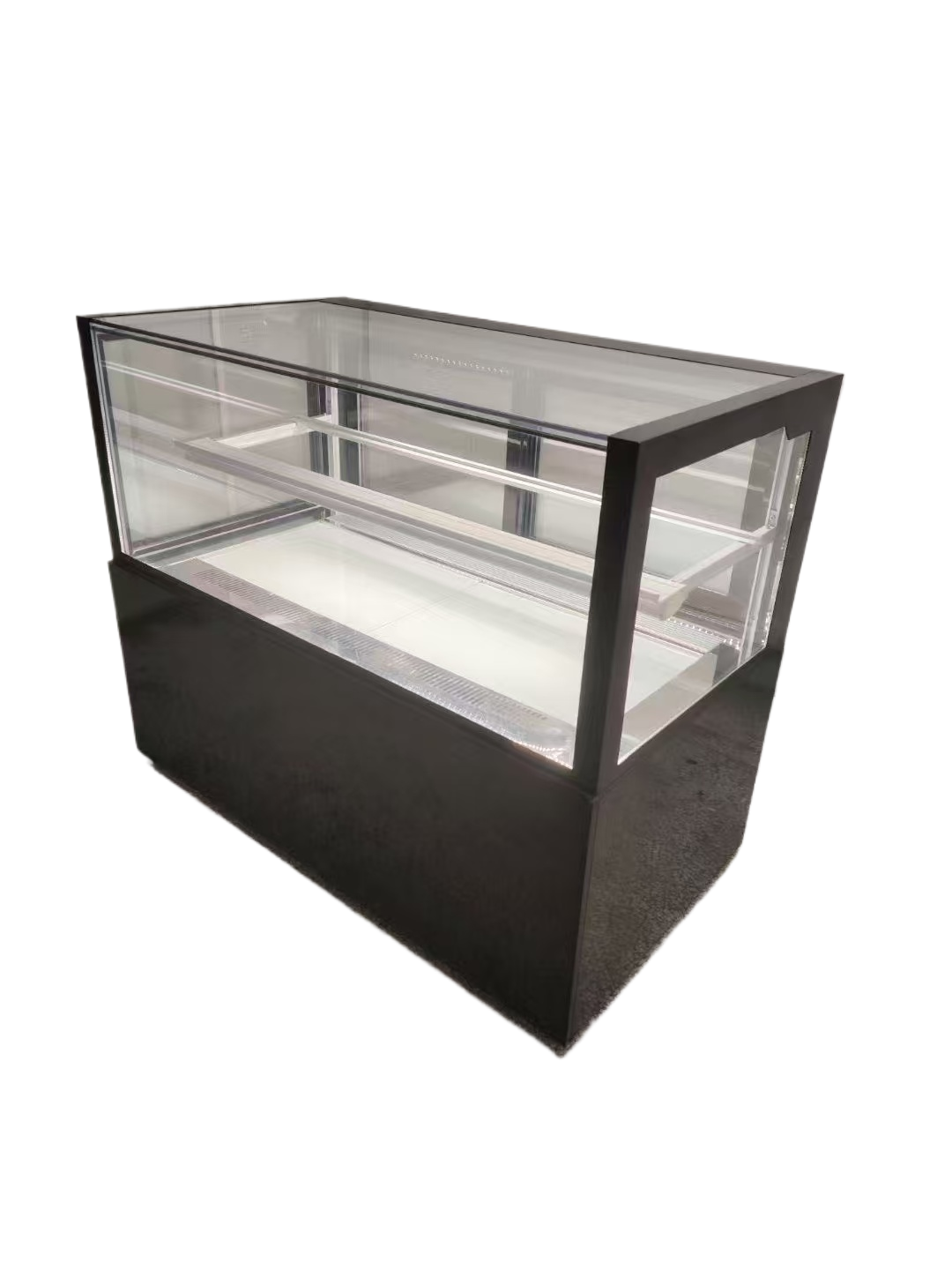
A primary driver of this growth is the recovery and evolution of Australia’s foodservice industry. Circana’s latest data reveals that foodservice traffic rose for the third consecutive quarter in Q4 2025, with QSRs leading the charge—spending up 5.5% and traffic increasing 1% . Quick-service restaurants, which account for 42.3% of Australia’s total foodservice sales, are expanding their dessert and cake offerings to attract cost-conscious consumers, driving demand for compact, high-performance refrigeration . Meanwhile, independent bakeries and cafes are prioritizing premium cake displays to differentiate themselves, boosting sales of glass-door cake refrigerators with LED lighting and temperature visibility—features that enhance product appeal while maintaining freshness . Supermarkets are also contributing to demand: IBISWorld reports that grocery retailers’ expansion of fresh food sections and store refurbishments have increased investments in advanced refrigeration systems, including cake-specific units .
Regulatory compliance is another critical factor shaping the market. Australia’s mandatory Greenhouse and Energy Minimum Standards (GEMS) require commercial refrigerators to meet strict energy efficiency criteria, with non-compliant products facing fines of up to $50,000 . Under GEMS, cake refrigerators must adhere to AS/NZS 4474.2:2009 standards for annual energy consumption (PAEC) and display a star-rating label, enabling businesses to compare efficiency . Additionally, Food Standards Australia New Zealand (FSANZ) updated its food safety standards in November 2024, mandating that commercial equipment—including cake refrigerators—meet hygiene requirements outlined in Standards 3.2.2 and 3.2.3, such as easy-to-clean surfaces and precise temperature control (-1°C to 4°C for chillers) . These regulations have accelerated the replacement of outdated units, as businesses seek GEMS-registered and HACCP-ready refrigerators to avoid penalties and ensure food safety .
Technological innovation is redefining product offerings in the commercial cake refrigerator market. Leading manufacturers like Skope Refrigeration are integrating smart features to enhance usability and efficiency. Skope’s ActiveCore system, paired with the Skope-Connect app, allows businesses to monitor temperature, adjust settings, and track energy usage via smartphones—critical for HACCP compliance and inventory management . Energy efficiency has become a key selling point: modern units use advanced compressors (such as Hitachi and Danfoss models), CFC-free insulation, and smart defrost systems to reduce energy consumption by 20-30% compared to older models . OzCoolers reports that energy-efficient cake refrigerators consume 1,500-2,500 kWh annually, translating to \(500-\)1,000 in annual savings for businesses . Environmental sustainability is also a priority: manufacturers are adopting low-GWP (global warming potential) refrigerants and stainless steel construction—materials that are both durable and recyclable .
Product diversity is expanding to meet the varied needs of Australian businesses. HospitalityHub’s 2025 buying guide outlines a range of cake refrigerator types, from countertop models (\(1,500-\)3,000) for small cafes to large floor-standing display units (\(4,000-\)9,000) for bakeries and patisseries . Key features include double-glazed anti-frost glass doors (to prevent condensation and showcase products), adjustable shelves (compatible with gastronorm sizes), and mobile castors for flexibility . Customization options are growing in popularity, with suppliers like Stoddart Australia and Orford Refrigeration offering pass-through designs, sliding doors, and splashbacks to fit unique kitchen layouts . Blast chillers, which rapidly cool cakes to preserve texture, are also gaining traction, with prices ranging from \(7,000-\)11,000 .
The competitive landscape is characterized by a mix of local and international players. Skope Refrigeration, an Australian-owned brand with over 50 years of experience, dominates the glass-door segment, known for its low noise levels and energy efficiency (costing less than $1 per day to run) . Artisan Food Equipment offers tropicalized models rated for 43°C ambient temperatures—ideal for Australia’s hot climate—with automatic demisting and digital temperature control . International brands like Bromic and Italian Proget are also popular, particularly for high-end patisseries seeking sleek design and precision cooling . The market is relatively fragmented, with no single dominant player, allowing small businesses to compete by specializing in niche products or regional distribution .
Despite strong growth, the market faces challenges. Rising raw material costs and supply chain disruptions have increased product prices, with some premium models exceeding \(11,000 . To address this, lenders are offering flexible financing options, including leases and rent-to-own agreements, with weekly payments as low as \)30 . Maintenance is another concern: businesses must clean condenser coils quarterly and calibrate temperature probes yearly to extend unit lifespans by 5-8 years . However, these challenges are offset by long-term cost savings from energy-efficient models and the growing demand for cake and dessert offerings in the foodservice sector.
Looking ahead, the commercial cake refrigerator market in Australia is poised for continued expansion. The rise of home baking and artisanal cake shops, coupled with the growing popularity of delivery-only dessert services, will drive demand for compact, high-performance units. Technological advancements will focus on IoT integration, with more models offering remote monitoring and predictive maintenance alerts. Additionally, the biomedical sector’s growth (projected as the fastest-growing segment) may create cross-over opportunities for refrigerators designed to store temperature-sensitive cake ingredients . As businesses prioritize sustainability and compliance, manufacturers will continue to innovate, ensuring that Australian commercial cake refrigerators remain at the forefront of efficiency, safety, and design.
————————————
We are a professional manufacturer of Commercial Refrigerator and have extensive experience in the manufacturing of Bakery Equipment ,We also produce Western Kitchen Equipment.
Our wide range of products includes commercial refrigerators with excellent refrigeration and Steamed Rice Cabinet for different scenarios.
In addition, we also provide High Temperature Intelligent Disinfection Cabinet with intelligent control of high temperature and launch restaurant Warmer Dining Cart with excellent thermal insulation performance.
In the bakery industry, our equipment is trusted by customers, such as high capacity Commercial Oven For Bakery, and advanced Spiral Dough Mixer .We also provide stable Electric Dough Fermenting Proofer to meet the stringent requirements of different customers for the baking process.
