

The North American market for commercial worktop refrigerators is experiencing unprecedented growth, fueled by evolving demands within the foodservice industry. As restaurants, cafes, and convenience retailers strive to enhance operational efficiency, improve food safety, and meet increasingly stringent environmental standards, compact, countertop refrigeration units have emerged as indispensable assets in commercial kitchens.
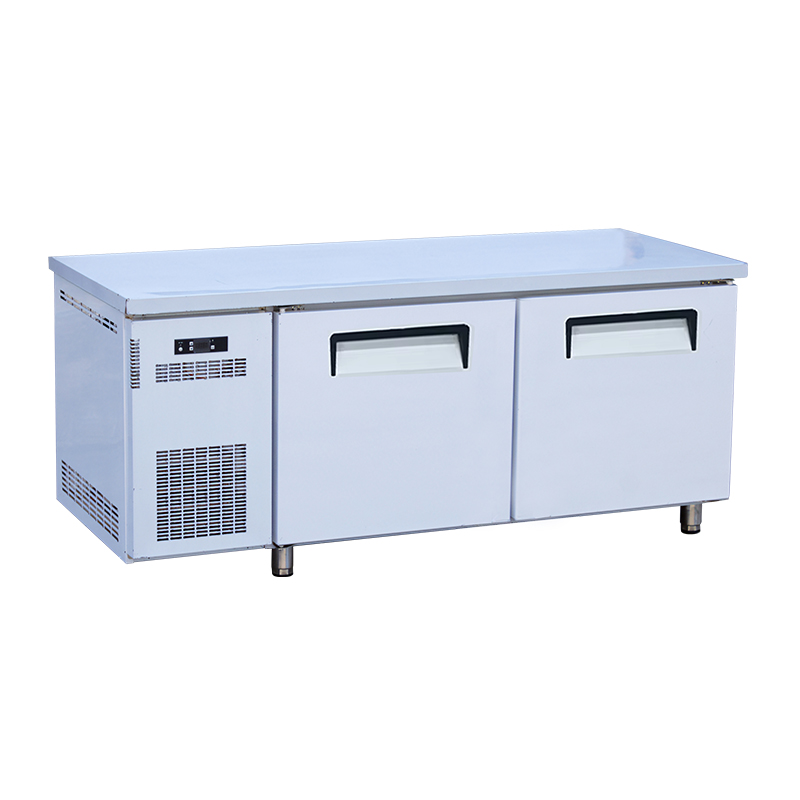
According to a recent report by Grand View Research, the North American commercial refrigeration market is projected to grow at a compound annual growth rate (CAGR) of 6.8% from 2024 to 2030, with worktop refrigerators leading the charge in the segment. This surge is attributed to the increasing popularity of fast-casual dining, grab-and-go concepts, and cloud kitchens—business models that rely heavily on space optimization and rapid service delivery.
One of the key drivers behind this trend is the shift toward modular and flexible kitchen designs. With urban real estate costs soaring and floor space at a premium, operators are turning to multi-functional, wall- or counter-mounted refrigeration solutions that maximize utility without sacrificing aesthetics. Worktop refrigerators, typically ranging from 18 to 36 inches in width, offer an ideal balance between functionality and footprint—providing immediate access to chilled ingredients while maintaining a clean, professional look.
Leading manufacturers such as True Manufacturing, Manitowoc, and Viking Range have responded with cutting-edge innovations. These include advanced digital temperature controls, LED lighting with customizable color settings, and integrated IoT (Internet of Things) sensors that monitor internal conditions in real time. Some models now feature remote monitoring via smartphone apps, allowing managers to track temperature fluctuations, receive maintenance alerts, and ensure compliance with health codes—all from a distance.
Energy efficiency has also become a central selling point. Newer models comply with ENERGY STAR® standards and utilize eco-friendly refrigerants like R-290 (propane), which significantly reduce greenhouse gas emissions compared to traditional HFCs. According to the U.S. Department of Energy, these next-generation units consume up to 30% less energy than older models, helping businesses lower operating costs and achieve sustainability certifications.
Sustainability extends beyond energy use. Many manufacturers are now incorporating recycled materials into their construction and offering take-back programs for end-of-life units. For example, True Manufacturing’s “GreenCycle” initiative allows customers to return old units for responsible recycling, reducing electronic waste and supporting circular economy principles.
Beyond technical features, user experience plays a crucial role. Modern worktop refrigerators are designed with ergonomics in mind—offering smooth-gliding shelves, anti-slip interior surfaces, and quiet compressors that don’t disrupt customer interactions. In high-traffic environments like coffee shops and delis, noise reduction is particularly important, as it enhances both staff productivity and customer comfort.
Moreover, the integration of worktop refrigerators with broader kitchen management systems is gaining traction. When paired with POS (point-of-sale) software and inventory tracking platforms, these units can automatically log product usage, alert staff when stock is low, and even suggest reorder points based on historical data. This level of automation helps minimize food waste—a critical concern in an era where 30–40% of all food produced globally goes uneaten.
Market analysts note that demand is not limited to large chains. Independent restaurateurs and small-scale entrepreneurs are increasingly adopting worktop refrigerators due to their affordability, ease of installation, and scalability. Many brands now offer customizable configurations—such as single-door vs. double-door models, adjustable shelving, and varying interior capacities—to suit diverse business needs.
The rise of hybrid workspaces and pop-up dining events has further expanded the market. Mobile vendors, food trucks, and event caterers benefit from portable, plug-and-play refrigeration units that maintain consistent temperatures during transit and setup. These applications highlight the versatility and adaptability of modern worktop refrigerators.
Looking ahead, industry experts predict continued innovation in smart refrigeration technology. Future models may incorporate AI-driven predictive maintenance, facial recognition for access control, and solar-powered options for off-grid operations. Additionally, as governments across Canada and the U.S. tighten regulations on refrigerant use and carbon emissions, the push toward sustainable, low-GWP (Global Warming Potential) solutions will only intensify.
For operators, the decision to invest in a commercial worktop refrigerator is no longer just about keeping food cold—it’s about building a resilient, efficient, and future-ready kitchen. With growing consumer awareness around sustainability and food safety, businesses that embrace these smart, compact refrigeration solutions are better positioned to thrive in a competitive marketplace.
As the foodservice sector continues its transformation, one thing is clear: the humble countertop fridge is no longer just a storage unit—it’s a cornerstone of modern commercial kitchen innovation.
————————————
We are a professional manufacturer of Commercial Refrigerator and have extensive experience in the manufacturing of Bakery Equipment ,We also produce Western Kitchen Equipment.
Our wide range of products includes commercial refrigerators with excellent refrigeration and Steamed Rice Cabinet for different scenarios.
In addition, we also provide High Temperature Intelligent Disinfection Cabinet with intelligent control of high temperature and launch restaurant Warmer Dining Cart with excellent thermal insulation performance.
In the bakery industry, our equipment is trusted by customers, such as high capacity Commercial Oven For Bakery, and advanced Spiral Dough Mixer .We also provide stable Electric Dough Fermenting Proofer to meet the stringent requirements of different customers for the baking process.
