

In recent years, a quiet but powerful transformation has been reshaping commercial kitchens across Southeast Asia. From bustling street markets in Bangkok to upscale dining hubs in Jakarta and vibrant food courts in Manila, one innovation stands out: the rise of advanced commercial insulated food carts. Designed to maintain precise temperatures for extended periods, these intelligent transport units are becoming essential tools for restaurants, cafés, corporate canteens, and event caterers striving to meet rising consumer expectations for quality, safety, and speed.
The surge in demand is fueled by several converging factors. First, the region’s booming urban population—projected to reach over 400 million by 2030—has intensified competition among food businesses. With consumers increasingly prioritizing convenience, hygiene, and consistent taste, operators must ensure meals remain hot or cold from kitchen to table. Traditional methods like aluminum foil wraps or basic insulated bags fall short, especially during long service hours or peak delivery times.
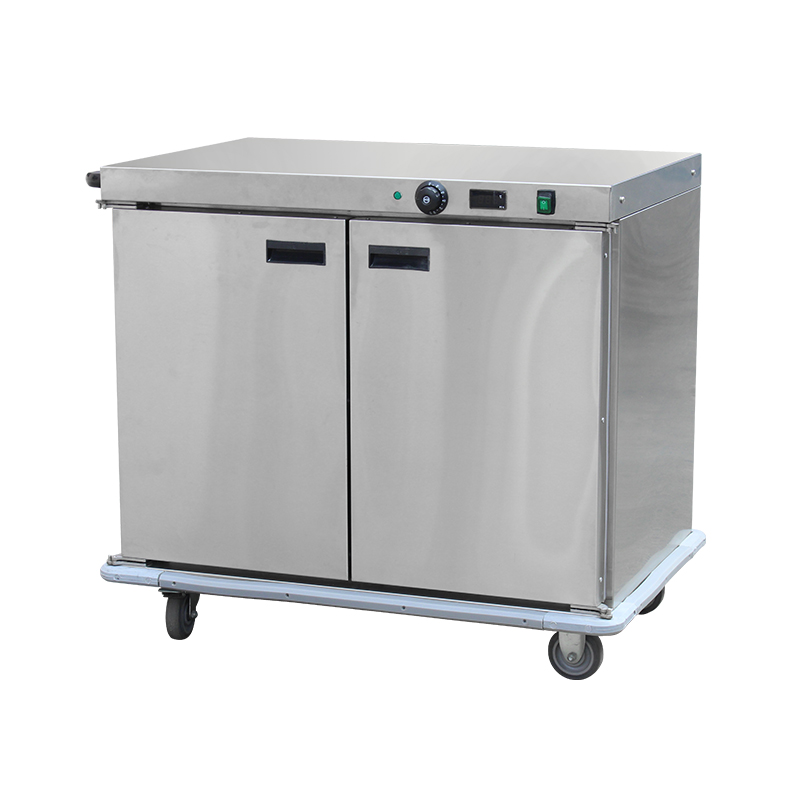
Enter the modern commercial insulated food cart. Equipped with dual-zone temperature control, self-contained electric heating elements, and advanced insulation materials such as vacuum-sealed panels and eco-friendly foam, these carts can maintain food at optimal serving temperatures for up to 8 hours without external power sources. Some models even feature digital thermostats, real-time monitoring via mobile apps, and battery backup systems—making them ideal for both indoor operations and outdoor events.
In Thailand, where street food culture thrives, vendors are turning to compact, modular food carts that combine storage, heating, and display functions. “We used to serve our grilled chicken and rice dishes within minutes of cooking—but now we can keep them warm for hours, even during weekend festivals,” says Nattapong Chaiyabut, owner of a popular Bangkok-based street food stall. “This has allowed us to expand our reach and reduce food waste.”
Indonesia and the Philippines are witnessing similar shifts. In Jakarta, a major chain of health-focused cafés now uses insulated carts with solar-powered heating systems to align with national sustainability goals. Meanwhile, in the Philippines, wedding caterers report fewer complaints about lukewarm dishes after switching to multi-compartment heated carts capable of managing diverse menu items—from roasted meats to chilled desserts.
Beyond functionality, these innovations are also addressing critical food safety concerns. According to a 2023 report by the ASEAN Food Safety Network, nearly 40% of foodborne illness outbreaks linked to commercial catering were attributed to improper temperature control during transport. Insulated food carts equipped with FDA-compliant materials and continuous temperature logging help mitigate this risk, providing auditable records for compliance with local health regulations.
————————————
We are a professional manufacturer of Commercial Refrigerator and have extensive experience in the manufacturing of Bakery Equipment ,We also produce Western Kitchen Equipment.Our wide range of products includes commercial refrigerators with excellent refrigeration and Steamed Rice Cabinet for different scenarios.
In addition, we also provide High Temperature Intelligent Disinfection Cabinet with intelligent control of high temperature and launch restaurant Warmer Dining Cart with excellent thermal insulation performance.
In the bakery industry, our equipment is trusted by customers, such as high capacity Commercial Oven For Bakery, and advanced Spiral Dough Mixer .We also provide stable Electric Dough Fermenting Proofer to meet the stringent requirements of different customers for the baking process.
