

The European commercial refrigeration market is experiencing robust growth, with projections indicating a compound annual growth rate (CAGR) of 5.3% through 2027, reaching a valuation of over €12.8 billion by 2026. Driven by stringent environmental regulations, rising energy costs, and evolving consumer expectations, businesses across retail, food service, and hospitality sectors are prioritizing energy-efficient, smart, and sustainable cooling solutions.
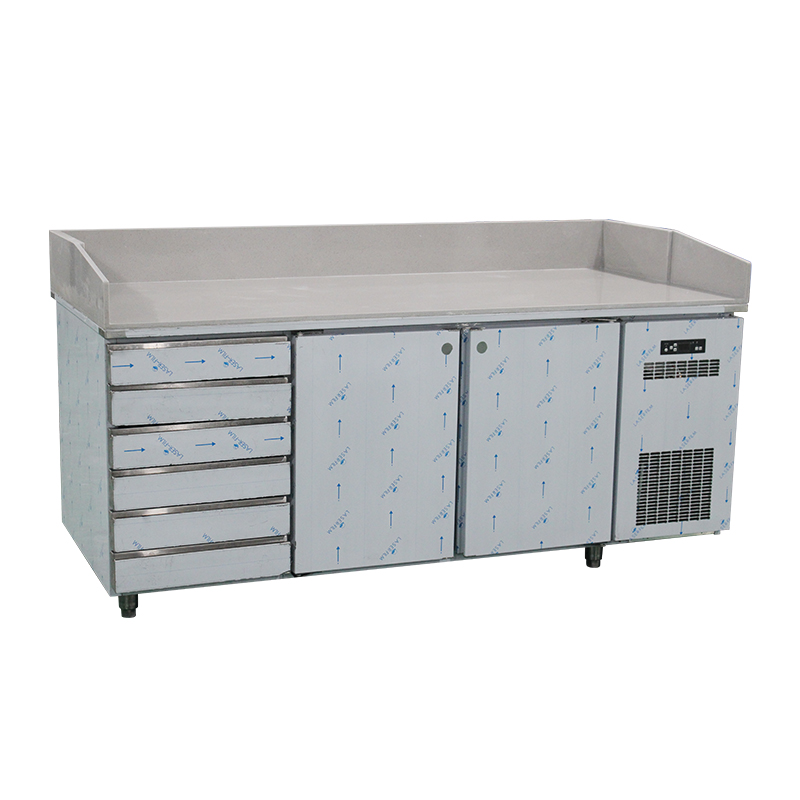
One of the primary catalysts behind this shift is the European Union’s Fit for 55 legislative package, which mandates a significant reduction in greenhouse gas emissions by 2030. As part of these efforts, new regulations restrict the use of high-global-warming-potential (GWP) refrigerants like R-404A and R-507. In response, manufacturers are rapidly transitioning to natural refrigerants such as CO₂ (R-744), propane (R-290), and isobutane (R-600a), which offer minimal environmental impact.
This regulatory push has accelerated innovation in commercial refrigeration design. Leading brands such as Electrolux Professional, Liebherr, and Danfoss are now integrating IoT-enabled monitoring systems into their units. These smart cooling solutions allow real-time tracking of temperature, energy consumption, and maintenance alerts via cloud-based platforms—enhancing operational efficiency while reducing downtime and waste.
In supermarkets and convenience stores, demand for under-counter and walk-in coolers equipped with LED lighting and variable-speed compressors has surged. These features reduce energy consumption by up to 30% compared to legacy models. For example, a recent study by the European Environmental Bureau found that retrofitted smart refrigerators in mid-sized grocery chains achieved an average energy savings of 28%, contributing significantly to carbon footprint reduction.
The hospitality sector is also embracing modern refrigeration. Hotels and restaurants are investing in compact, modular units with precise temperature zoning and humidity control—ideal for storing perishables like fresh seafood, dairy, and specialty ingredients. These units not only extend product shelf life but also support culinary standards and reduce food waste, aligning with broader ESG goals.
Moreover, e-commerce and direct-to-consumer (DTC) brands are leveraging commercial refrigeration as part of their supply chain infrastructure. With the rise of online grocery delivery services and meal kit providers, there's growing demand for reliable, scalable cold storage solutions at distribution hubs and last-mile fulfillment centers.
From a regional perspective, Germany, France, and the UK remain the largest markets due to strong industrial bases and early adoption of green technologies. However, Eastern European nations like Poland, Czech Republic, and Hungary are witnessing rapid expansion, fueled by EU funding programs supporting energy transition projects.
For independent e-commerce sites targeting European consumers, optimizing product listings around keywords like “eco-friendly commercial fridge,” “low-GWP refrigerator,” and “smart cooling system” can significantly improve visibility on Google Search. Using structured data markup (schema.org), high-quality images, detailed technical specifications, and customer reviews enhances crawlability and ranking potential.
Additionally, websites should ensure mobile responsiveness, fast load times, and clear navigation—key factors in Google’s Page Experience ranking algorithm. Including localized content (e.g., “commercial refrigerators for German supermarkets”) and language-specific metadata helps capture regional search intent.
Looking ahead, the integration of AI-driven predictive maintenance and blockchain-based supply chain transparency will likely define the next generation of commercial refrigeration. These advancements promise even greater efficiency, compliance assurance, and consumer trust.
In conclusion, Europe’s commercial refrigeration market is no longer just about keeping food cold—it’s a strategic component of sustainability, digital transformation, and regulatory compliance. Businesses that invest in smart, eco-conscious cooling technologies today are positioning themselves for long-term success in one of the world’s most regulated and forward-thinking markets.
————————————
We are a professional manufacturer of Commercial Refrigerator and have extensive experience in the manufacturing of Bakery Equipment ,We also produce Western Kitchen Equipment. Our wide range of products includes commercial refrigerators with excellent refrigeration and Steamed Rice Cabinet for different scenarios.
In addition, we also provide High Temperature Intelligent Disinfection Cabinet with intelligent control of high temperature and launch restaurant Warmer Dining Cart with excellent thermal insulation performance.
In the bakery industry, our equipment is trusted by customers, such as high capacity Commercial Oven For Bakery, and advanced Spiral Dough Mixer .We also provide stable Electric Dough Fermenting Proofer to meet the stringent requirements of different customers
for the baking process.
