

As foodservice operations continue to scale up, the commercial rice steamer has become a key piece of equipment in professional kitchens. Canteens, hotels, and catering companies are increasingly relying on efficient steaming solutions to meet daily high-volume meal demands.
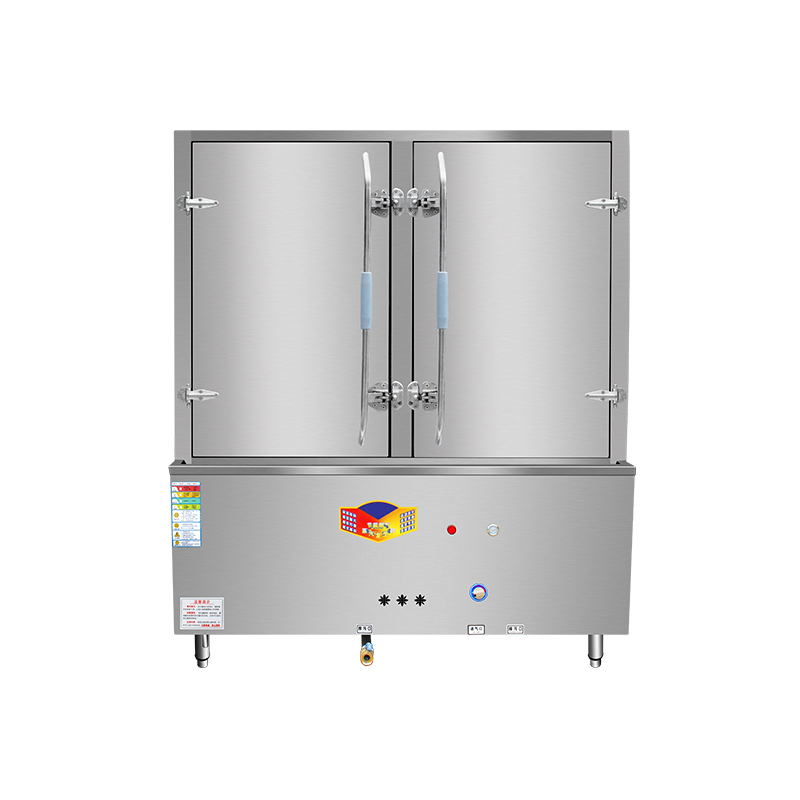
Industry reports indicate that the use of commercial food steamer systems has grown steadily, especially in institutional kitchens such as schools, hospitals, and factories. These environments require stable output, consistent cooking quality, and reliable operation throughout long working hours.
Unlike traditional cooking methods, a rice steaming cabinet allows large quantities of rice to be cooked evenly using controlled steam circulation. This process helps maintain texture and moisture while reducing the risk of overcooking or burning, which is critical for standardized meal service.
In modern commercial kitchens, commercial kitchen steaming equipment is valued for its energy efficiency and ease of operation. Multi-layer tray designs enable simultaneous steaming of rice, vegetables, and other foods, helping kitchens streamline workflow and save valuable space.
Food safety and hygiene are also driving adoption of industrial rice steamer units. Stainless steel construction, sealed doors, and automatic water control systems support cleaner operations and easier daily maintenance. These features help foodservice operators comply with increasingly strict hygiene regulations.
Market analysts believe that demand for commercial rice steamers will continue to rise as centralized kitchens and meal-prep facilities expand. With their ability to deliver consistent results at scale, rice steamers are becoming a standard solution for professional food preparation across global markets.
