

The commercial refrigeration industry is experiencing growing demand for customizable salad display refrigerators, driven by changes in food service operations and evolving consumer preferences. Restaurants, cafés, hotels, and catering businesses are increasingly focused on fresh ingredients, fast service, and flexible kitchen layouts, making customized cold storage solutions more relevant than ever.
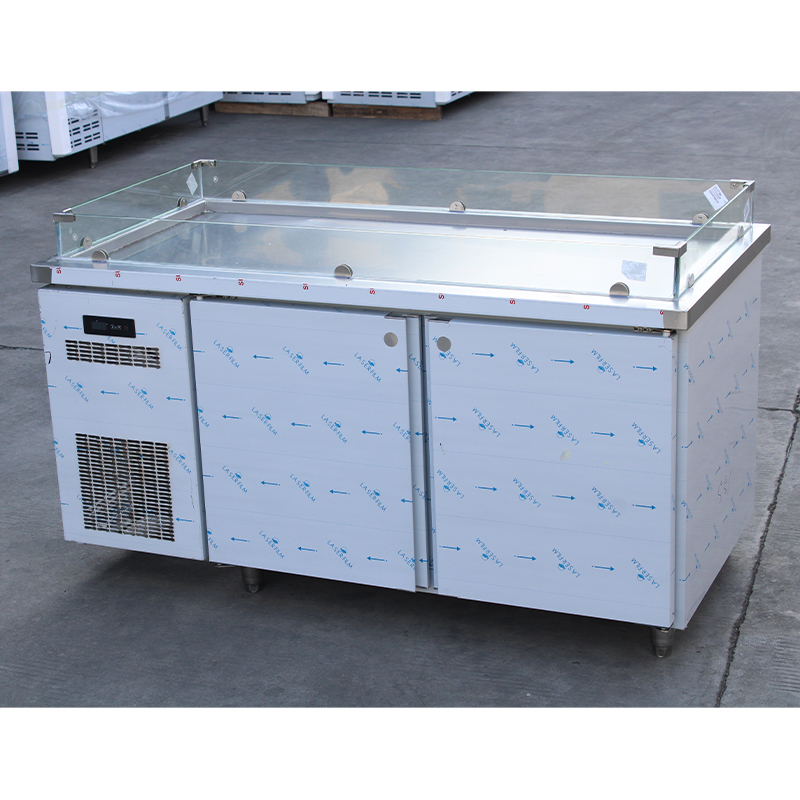
One of the key advantages of a custom salad refrigerator is its adaptable design. Operators can customize size, internal layout, pan configuration, and temperature zones to match specific menu requirements. This flexibility allows kitchens to organize vegetables, toppings, and prepared ingredients efficiently, reducing preparation time during peak service hours.
Visibility also plays an important role. A salad display fridge with a clear glass cover allows staff and customers to view ingredients easily while maintaining food safety standards. In open kitchens and self-service areas, this visual presentation reinforces freshness and cleanliness, enhancing customer trust and dining experience.
Temperature stability is critical for fresh produce. Modern commercial salad coolers are designed to maintain consistent cooling across the entire cabinet, preventing dehydration and extending ingredient shelf life. Advanced airflow systems ensure that leafy greens, fruits, and cold toppings remain crisp throughout the day, reducing food waste and inventory loss.
Customization extends beyond internal structure. Many manufacturers now offer options for stainless steel finishes, integrated cutting boards, adjustable shelving, and compatibility with standard gastronorm pans. A salad prep refrigerator can be configured to align seamlessly with existing kitchen equipment, supporting smooth workflow and ergonomic operation.
Energy efficiency has also become a central concern. New-generation worktop salad refrigerators use energy-saving compressors and environmentally friendly refrigerants to reduce power consumption. For businesses operating long hours, these improvements contribute to lower operating costs and compliance with energy regulations.
Industry analysts note that the rise of fast-casual dining, salad bars, and healthy food concepts is accelerating demand for customizable refrigeration solutions. As menus become more ingredient-focused and service speed becomes more critical, adaptable equipment is increasingly viewed as a strategic investment rather than a standard appliance.
Looking ahead, the market for customizable salad display refrigerators is expected to expand steadily. With continued innovation in design, temperature control, and sustainability, these units are set to play a vital role in modern commercial kitchens worldwide.
