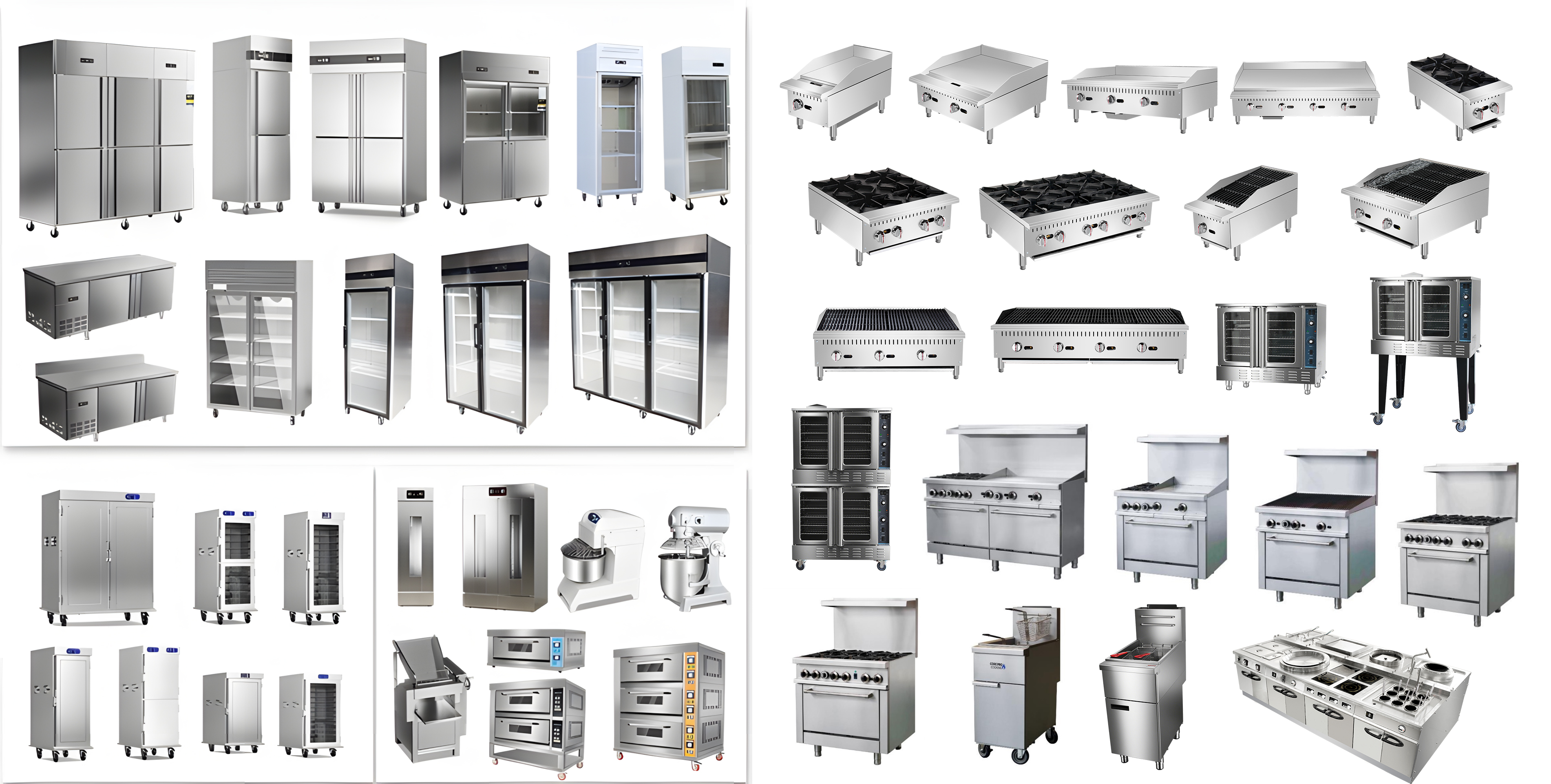
The Rise of Commercial Induction Cookers in Professional Kitchens
Modern restaurants are embracing a new wave of kitchen technology: the commercial induction cooker. Unlike traditional gas stoves, induction cookers use electromagnetic energy to directly heat cookware, offering fast, efficient, and precise cooking control. For chefs, this means shorter preparation times, consistent food quality, and safer kitchen environments.
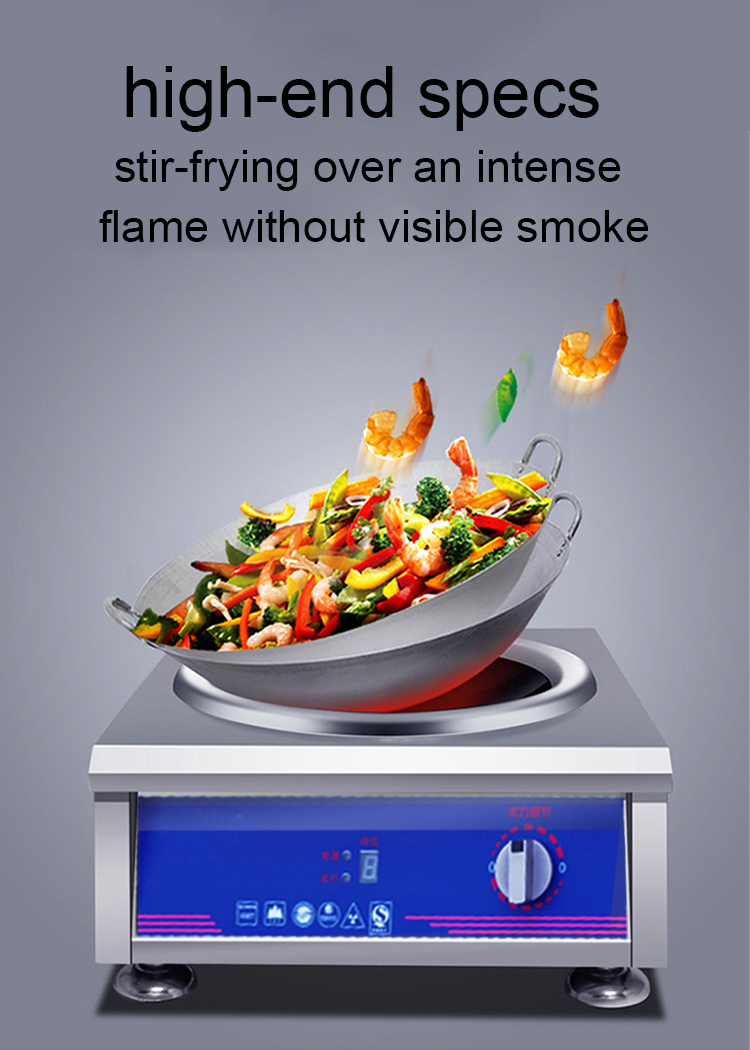
How Induction Cooking Works
Induction cooking relies on magnetic fields to transfer energy directly into pots and pans. This process eliminates the need for open flames, reducing heat loss and making the kitchen cooler and safer. Because the energy goes straight into the cookware, induction cookers are up to 90% energy-efficient, compared to about 60% for gas ranges.
Benefits of Commercial Induction Cookers
-
Energy Efficiency: Lower energy consumption means reduced operating costs.
-
Safety: The surface remains cool to touch, minimizing burn risks.
-
Precision Control: Instant heat adjustments for delicate sauces or high-heat frying.
-
Cleanliness: Flat glass tops make cleaning easy and hygienic.
-
Environmental Impact: No emissions, reducing carbon footprint in busy kitchens.
Applications in Different Food Businesses
Commercial induction cookers are ideal for:
-
Restaurants and Hotels: For high-speed, multi-dish cooking.
-
Catering Services: Portable units simplify outdoor and event-based food prep.
-
Bakeries and Cafés: For pastry heating and quick simmering tasks.
-
Industrial Kitchens: Suitable for continuous operation with minimal maintenance.
Comparing Induction to Gas Cooking
Traditional gas cooking provides strong visual control with open flames, but it wastes significant energy and raises kitchen temperatures. Induction technology, on the other hand, maintains cooler working conditions and ensures stable temperature control, making it a smarter long-term investment.
Durability and Design
High-quality commercial induction cookers are built with stainless steel bodies and ceramic glass tops, ensuring both style and endurance. Many models include digital displays, automatic shut-off functions, and overheat protection systems for safer, smarter operation.
Conclusion
As restaurants focus on efficiency and sustainability, the commercial induction cooker has become an essential piece of equipment. It combines speed, precision, and safety while reducing costs and emissions. For professional kitchens aiming to modernize operations, induction cooking represents the future of culinary innovation.