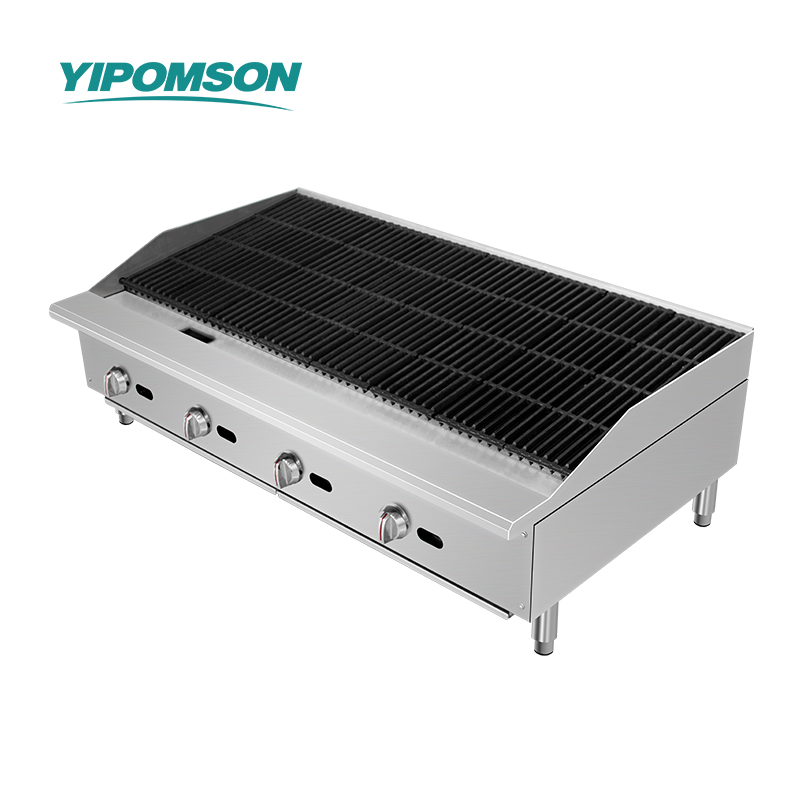
In the fast-paced world of restaurant operations, every piece of kitchen equipment plays a critical role in determining both the quality of food and the efficiency of daily workflows. Among the most essential tools in a commercial kitchen is the commercial gas grill—a workhorse that has become a staple in diners, steakhouses, burger joints, and even high-end culinary establishments. Unlike residential grills, commercial gas grills are designed to withstand continuous use, high temperatures, and the demands of a busy kitchen, making them a valuable investment for any foodservice business looking to streamline operations and elevate their menu offerings.
One of the primary advantages of commercial gas grills is their ability to deliver consistent heat distribution, a factor that directly impacts the flavor and texture of grilled foods. Unlike charcoal grills, which require time to heat up and can have hot spots that lead to uneven cooking, commercial gas grills use controlled gas burners to maintain a steady temperature range—typically between 300°F and 600°F—allowing chefs to cook everything from thick steaks to delicate vegetables with precision. This consistency is especially important for restaurants that prioritize uniformity in their dishes; customers expect the same juicy, well-seared burger or perfectly charred salmon every time they visit, and a reliable commercial gas grill ensures that expectation is met.
Efficiency is another key benefit that commercial gas grills bring to restaurant kitchens. In a busy service period, every minute counts, and gas grills heat up quickly—often reaching optimal cooking temperature in 10 to 15 minutes—reducing wait times for both chefs and customers. Additionally, many modern commercial gas grills come equipped with features like multiple burners, adjustable heat zones, and built-in thermometers, which allow kitchen staff to cook multiple menu items simultaneously without sacrificing quality. For example, a chef can use one burner to sear a steak at high heat while using a lower-heat zone to grill asparagus or warm buns, maximizing the grill’s capacity and cutting down on cooking time.
Cost-effectiveness is also a significant factor for restaurant owners considering commercial gas grills. While the initial investment may be higher than that of residential models, commercial gas grills are built with durable materials like stainless steel, which resists rust, corrosion, and wear from constant use. This durability means the equipment has a longer lifespan—often 5 to 10 years with proper maintenance—reducing the need for frequent replacements. Furthermore, gas is generally a more affordable fuel source compared to electricity in many regions, and commercial gas grills are designed to be energy-efficient, minimizing gas waste and lowering monthly utility bills.