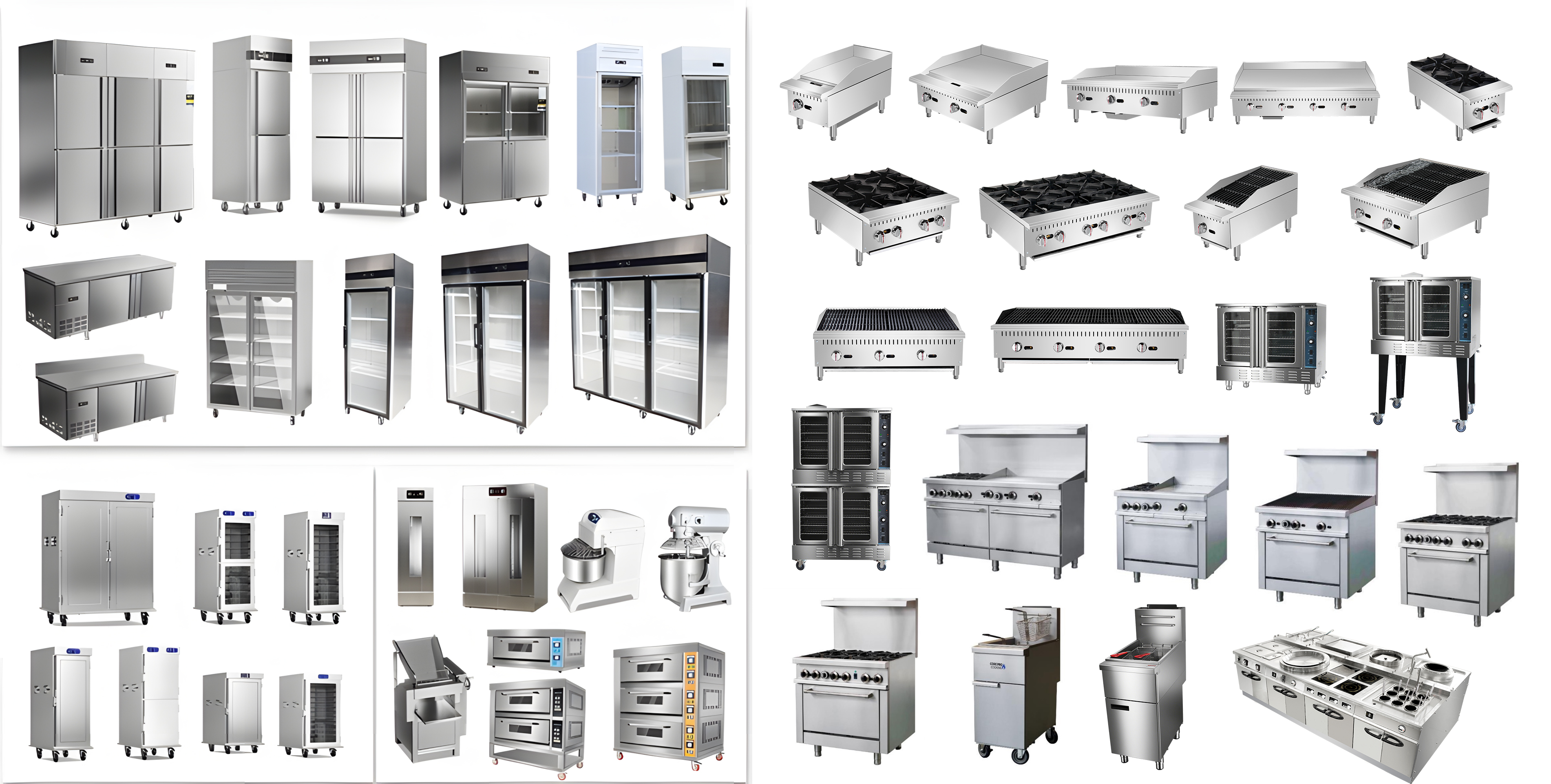
Enhance Kitchen Productivity with Professional Commercial Mixers
In every busy bakery, restaurant, or catering business, preparing doughs, batters, and mixtures by hand is not practical. A commercial mixer is the cornerstone of efficiency, enabling chefs and bakers to produce consistent results while saving valuable time. Unlike domestic mixers, these machines are engineered to handle heavy-duty workloads and large volumes, making them essential in any professional kitchen.
What Is a Commercial Mixer?
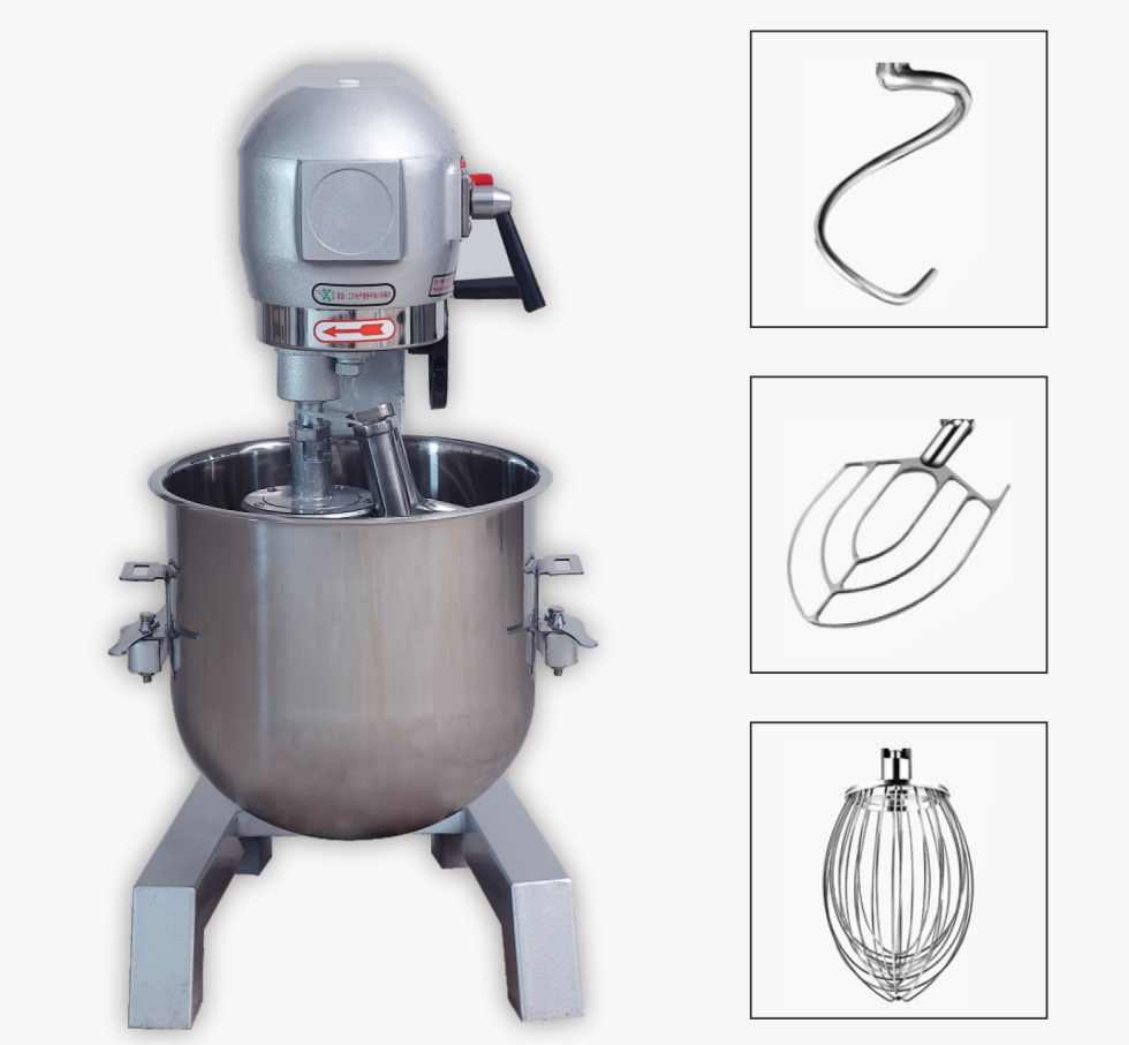
A commercial mixer is a heavy-duty machine used in foodservice establishments to mix dough, batter, sauces, creams, and other ingredients. Built with powerful motors and durable gears, it ensures consistent blending even under continuous use.
Main Types of Commercial Mixers:
-
Planetary Mixer: Features a stationary bowl with an agitator that moves in a planetary motion, suitable for batters, creams, and light dough.
-
Spiral Mixer: Designed specifically for kneading bread dough, with a rotating bowl and spiral hook to preserve gluten structure.
-
Dough Mixer: Heavy-duty model for pizza shops and bakeries needing large quantities of dough.
-
Handheld Immersion Mixer: Portable option for soups, sauces, and small batches.
Why Commercial Kitchens Need a Mixer
A professional food mixer offers several advantages:
-
Consistency in Recipes – Every batch tastes the same, ensuring quality.
-
Labor Savings – Reduces manual work and speeds up preparation.
-
Large Batch Production – Essential for high-demand periods.
-
Versatility – Capable of whipping, kneading, mixing, and even emulsifying.
-
Durability – Designed for continuous operation in commercial settings.
Applications of Commercial Mixers
The commercial mixer is widely used across foodservice operations:
-
Bakeries: Mixing bread dough, cakes, and pastries.
-
Pizzerias: Preparing consistent pizza dough for daily service.
-
Restaurants: Blending sauces, creams, and mashed potatoes.
-
Hotels and Catering: Handling large-scale food preparation for events.
-
Cafés: Mixing cake batter, muffin mix, or whipped cream.
Key Features to Consider
When buying a restaurant mixer, focus on:
-
Capacity: Measured in quarts or liters; choose based on daily output.
-
Motor Power: Determines how easily the mixer handles dense dough.
-
Speed Settings: Multiple speeds allow flexibility for different recipes.
-
Attachments: Whisks, dough hooks, and paddles expand functionality.
-
Construction Material: Stainless steel bowls and frames improve hygiene and durability.
-
Safety Features: Bowl guards, automatic shutoff, and overload protection.
Benefits of Using a Commercial Mixer
1. Increased Productivity
Mixes large quantities of ingredients in less time.
2. Better Food Quality
Ensures even mixing, resulting in smoother batters and well-kneaded doughs.
3. Reduced Labor Costs
Frees staff to focus on other cooking tasks.
4. Consistency Across Batches
Maintains uniform flavor and texture, essential for branding and customer satisfaction.
5. Versatility in Food Preparation
Handles a variety of tasks from bread to desserts.
Maintenance and Care
To extend the lifespan of your commercial kitchen mixer:
-
Clean after every use to avoid food buildup.
-
Lubricate moving parts regularly for smooth operation.
-
Inspect electrical cords and switches for wear and tear.
-
Avoid overloading beyond the recommended capacity.
-
Replace attachments if damaged to maintain food quality and safety.
Technological Innovations in Mixers
Modern professional mixers now come with:
-
Digital controls for precise speed and timing.
-
Programmable recipes for automated consistency.
-
Noise-reduction technology for quieter operation.
-
Energy-efficient motors to lower power consumption.
-
Heavy-duty gear systems for better torque and durability.
Choosing the Right Mixer for Your Kitchen
Before purchasing a commercial mixer, ask:
-
What type of food will you prepare most often? (Bread, cakes, sauces, etc.)
-
How much volume do you need daily?
-
Do you prefer a spiral or planetary system?
-
How much space is available in your kitchen?
-
What is your budget for maintenance and parts?
Conclusion
A commercial mixer is more than just a tool—it is the backbone of efficient food preparation. Whether you are a small café making daily pastries or a large bakery producing hundreds of loaves, the right mixer ensures speed, consistency, and quality.
By choosing the right size, type, and features, you can significantly improve your kitchen’s productivity while ensuring every batch meets professional standards. Investing in a restaurant mixer not only saves labor but also guarantees customer satisfaction, making it one of the most essential appliances in the foodservice industry.