Enhance Catering Efficiency with Commercial Food Warming Carts
In the catering and hospitality industry, delivering hot, fresh, and flavorful meals to guests is essential. Whether at a hotel banquet, wedding reception, or corporate event, food must be kept at safe serving temperatures without compromising quality. A commercial food warming cart is the perfect solution, designed to keep large quantities of food warm while offering mobility and convenience.
What Is a Commercial Food Warming Cart?
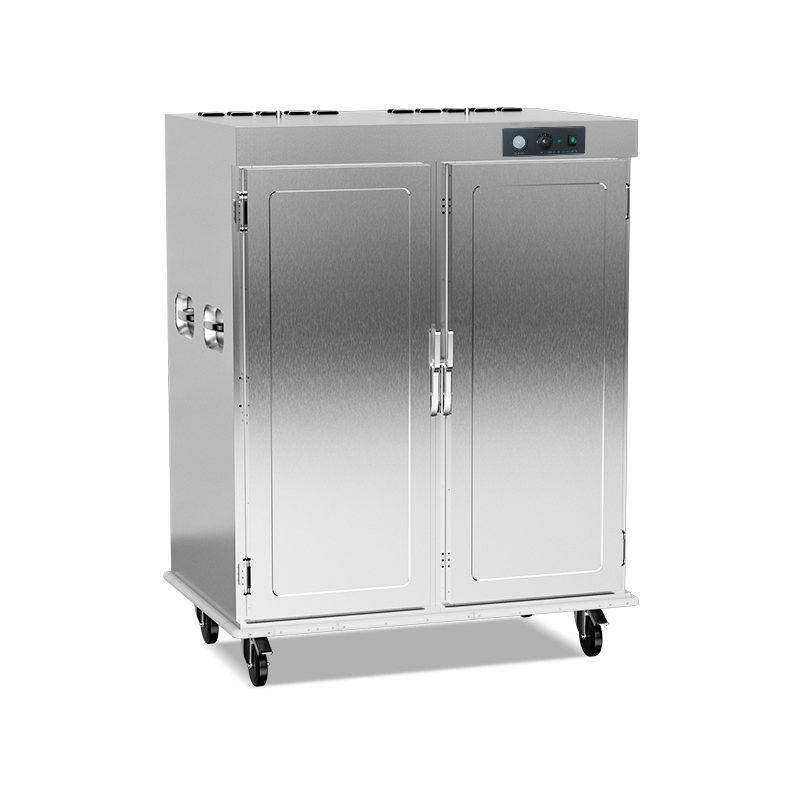
A commercial food warming cart, also known as a heated banquet cart or hot food holding cabinet, is a mobile unit equipped with heating elements and insulated compartments. It ensures that prepared dishes remain at the proper serving temperature until they are ready to be served.
Key Features Include:
-
Insulated compartments for heat retention.
-
Adjustable temperature controls to match food safety standards.
-
Heavy-duty casters for easy mobility.
-
Stainless steel construction for durability and hygiene.
-
Removable trays or racks to accommodate different food containers.
Why Use a Food Warming Cart in Commercial Kitchens?
Restaurants, hotels, and catering businesses rely on food warming carts for several reasons:
-
Maintains Food Safety – Prevents bacteria growth by keeping food above 60°C (140°F).
-
Preserves Quality – Keeps dishes warm without drying or overcooking.
-
Streamlines Service – Allows staff to transport large quantities of food quickly.
-
Enhances Guest Experience – Ensures hot meals are delivered consistently.
-
Versatility – Suitable for buffets, banquets, room service, and off-site catering.
Applications Across the Foodservice Industry
The heated banquet cart is widely used in:
-
Hotels: Supporting banquets, weddings, and conferences.
-
Restaurants: Keeping prepared dishes warm during peak service hours.
-
Catering companies: Transporting hot meals to off-site events.
-
Hospitals and schools: Delivering nutritious hot meals to multiple locations.
-
Airline catering services: Holding meals before loading them on flights.
Benefits of Using Commercial Food Warming Carts
1. Improved Efficiency
Multiple trays can be transported at once, saving time during large events.
2. Better Organization
Compartments allow separation of different dishes to maintain taste integrity.
3. Mobility and Flexibility
Heavy-duty casters ensure easy maneuverability across kitchens and event spaces.
4. Reduced Food Waste
By keeping food at optimal temperature, spoilage and waste are minimized.
5. Enhanced Presentation
Guests receive meals served hot and fresh, improving overall satisfaction.
Key Features to Look For
When choosing a commercial food warming cart, consider:
-
Capacity: Number of trays or pans it can hold.
-
Temperature Range: Adjustable settings for various dishes.
-
Heating System: Options include dry heat or moisture-controlled systems.
-
Insulation: Double-wall construction improves efficiency.
-
Mobility: Swivel casters with brakes provide stability.
-
Durability: Stainless steel build resists dents and scratches.
Maintenance and Cleaning Tips
To ensure long-lasting use of your heated banquet cart:
-
Clean trays and shelves after each use with food-safe cleaners.
-
Check electrical components regularly for safety.
-
Inspect casters and brakes to maintain smooth mobility.
-
Avoid overloading to prevent damage to heating elements.
-
Store in dry areas to prevent rust and corrosion.
Innovations in Modern Food Warming Carts
Manufacturers are improving restaurant catering equipment with:
-
Digital temperature controls for precision heating.
-
Energy-efficient heating systems to reduce operating costs.
-
Moisture retention technology to keep food fresh longer.
-
Compact designs for kitchens with limited space.
-
Smart monitoring systems with alarms for temperature fluctuations.
How to Choose the Right Food Warming Cart
Before purchasing a commercial warming cart, evaluate:
-
Event size and frequency: Larger models suit banquets, smaller ones for daily restaurant use.
-
Power source: Choose between electric or battery-powered models.
-
Food types served: Some models include steam options for moist dishes.
-
Budget: Consider long-term savings from energy-efficient models.
-
Warranty and service: Ensure reliable after-sales support.
Conclusion