Enhance Food Preparation with High-Performance Commercial Mixers
In any busy kitchen, time, efficiency, and consistency matter. A commercial mixer is one of the most vital appliances for bakeries, restaurants, and catering services. Unlike domestic mixers, these industrial-grade machines are designed to handle heavy workloads, mix large quantities, and maintain consistent results. From kneading dough for bread to whipping cream for desserts, a professional food mixer ensures high productivity and reliable quality.
What Is a Commercial Mixer?
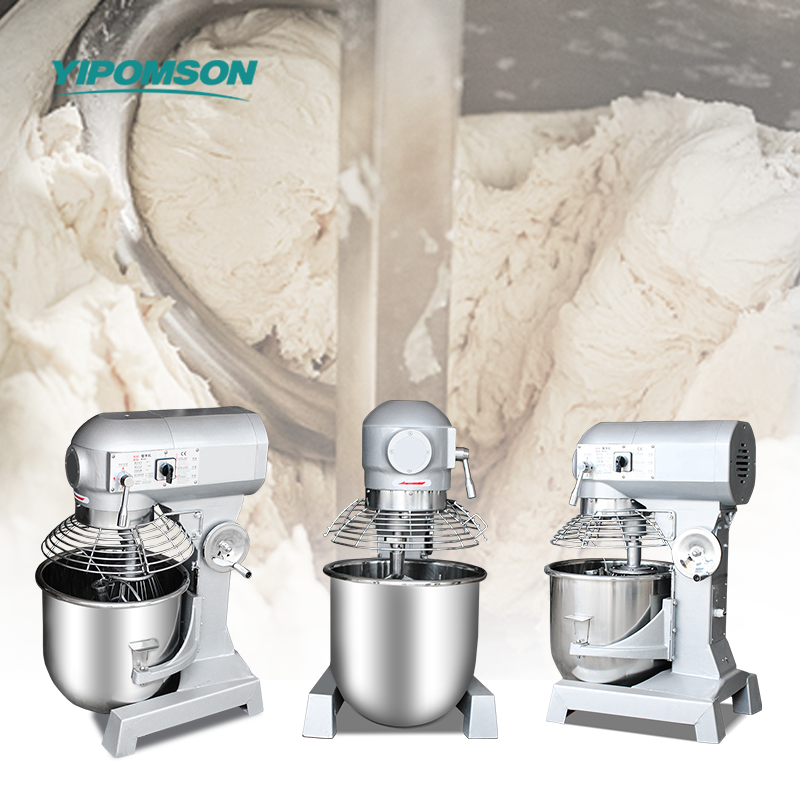
A commercial mixer is a heavy-duty kitchen appliance used to mix, whip, and knead food ingredients in large volumes. They are built for durability and high output, making them indispensable in professional kitchens.
Key characteristics include:
-
Powerful motors designed for continuous use.
-
Variable speed settings for different mixing needs.
-
Large capacity bowls for high-volume production.
-
Stainless steel construction for hygiene and durability.
Types of Commercial Mixers
Different businesses require different types of industrial food mixers. The main categories include:
1. Planetary Mixers
The most versatile restaurant mixers, suitable for mixing dough, batters, creams, and sauces. They use a mixing attachment that moves in a planetary motion for thorough blending.
2. Spiral Dough Mixers
Specialized for bakeries and pizzerias, designed to knead large amounts of dough without overheating. Spiral motion mimics hand kneading, producing better gluten development.
3. Handheld or Stick Mixers
Portable, lightweight, and ideal for blending soups, sauces, and purees directly in pots.
4. Vertical Cutter Mixers
High-capacity units capable of chopping, blending, and emulsifying in addition to mixing.
Why Commercial Mixers Are Essential for Foodservice
Restaurants and bakeries rely on kitchen mixing machines for:
-
Consistency: Ensures uniform texture in dough, batters, and creams.
-
Efficiency: Handles large volumes in less time than manual labor.
-
Versatility: From bread dough to cake batter, mixers adapt to multiple tasks.
-
Labor savings: Reduces physical strain on staff and improves workflow.
For example, a bakery producing hundreds of loaves daily cannot rely on manual mixing; a spiral dough mixer guarantees quality and speed.
Key Features to Consider
When choosing a commercial mixer, focus on:
-
Capacity: Bowl size ranges from 5 to 200+ quarts, depending on production.
-
Speed Controls: Multiple speeds for kneading, whipping, or mixing.
-
Attachments: Dough hooks, flat beaters, whisks, and meat grinders.
-
Safety Features: Bowl guards, automatic shut-off, and overload protection.
-
Construction: Stainless steel bowls and gears for longevity.
-
Ease of Cleaning: Removable parts and smooth surfaces simplify hygiene.
Benefits of Commercial Mixers
1. Increased Productivity
Mixing tasks that take hours manually can be completed in minutes.
2. Better Food Quality
Uniform mixing results in consistent taste and texture.
3. Labor Efficiency
Staff can multitask while the mixer operates, improving workflow.
4. Long-Term Durability
Industrial mixers are built to withstand heavy use and continuous operation.
Applications Across Foodservice
A commercial kitchen mixer is versatile and used in:
-
Bakeries: Kneading dough for bread, croissants, and cakes.
-
Pizzerias: Preparing large batches of pizza dough.
-
Restaurants: Mixing sauces, purees, mashed potatoes, and desserts.
-
Catering companies: Handling diverse menu items efficiently.
-
Hotels and institutions: Supporting large-scale food preparation.
Maintenance and Cleaning Tips
To extend lifespan and maintain hygiene:
-
Clean after every use: Prevents residue buildup in bowls and attachments.
-
Lubricate moving parts: Reduces wear and tear on gears.
-
Check electrical connections: Avoids power issues during heavy use.
-
Inspect safety features: Ensure guards and shut-offs work properly.
-
Schedule professional servicing: Prevents costly breakdowns.
Latest Innovations in Commercial Mixers
Manufacturers continue to improve industrial food mixers with:
-
Programmable controls for automated mixing cycles.
-
Digital displays showing speed and timer settings.
-
Energy-efficient motors reducing electricity consumption.
-
Noise reduction technology for quieter kitchens.
-
Heavy-duty attachments expanding mixer functionality.
Choosing the Right Mixer for Your Business
Before purchasing, evaluate:
-
Production volume – daily output determines bowl size.
-
Menu requirements – bread-heavy businesses may need spiral mixers.
-
Space availability – floor vs. countertop models.
-
Budget vs. ROI – higher investment often means longer durability.
-
Brand reliability and warranty – ensure after-sales support.
Conclusion
A commercial mixer is more than just a piece of equipment; it is the backbone of efficient food preparation. From bakeries to restaurants, these machines save time, reduce labor costs, and ensure product consistency. Choosing the right mixer tailored to your business needs will enhance productivity, maintain food quality, and support long-term growth in the foodservice industry.