

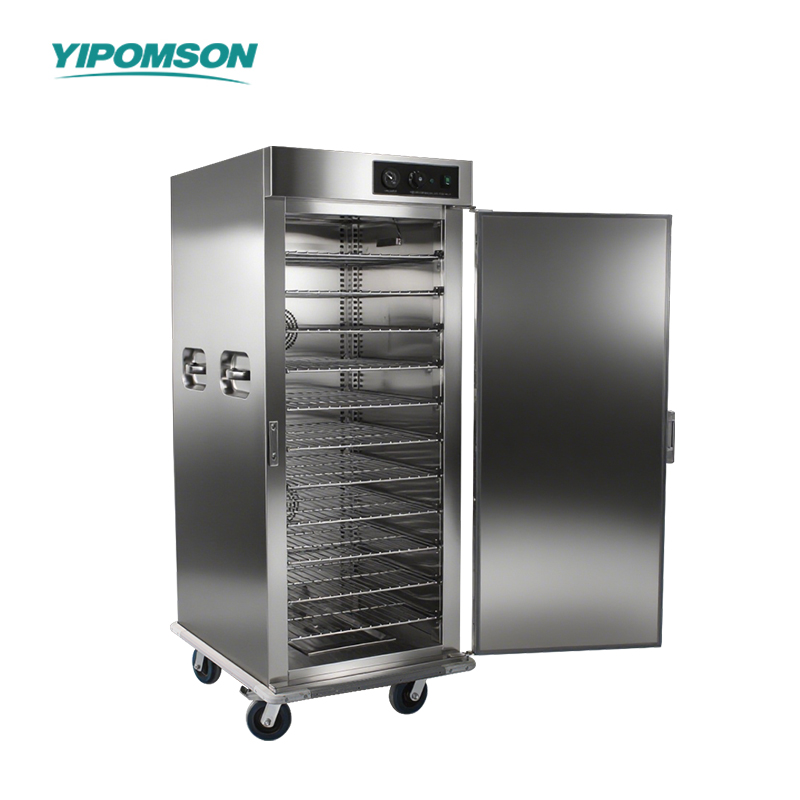
This is where the commercial food warming cart, also known as a heated food transport cart or mobile hot holding cabinet, becomes an essential piece of equipment. Designed to maintain safe serving temperatures without compromising taste or texture, a food warming cart ensures that every dish reaches the customer in optimal condition.
The Role of Food Warming Carts in Modern Food Service
Unlike traditional warming trays or small hot boxes, commercial food warming carts are designed for large-scale operations. They are mobile, durable, and equipped with temperature controls that meet the strict demands of professional kitchens.
These carts serve a wide variety of businesses, including:
-
Restaurants with off-site catering needs
-
Hotels hosting banquets and conferences
-
Hospitals serving hundreds of meals daily
-
Event catering companies managing large gatherings
-
Schools and universities with multiple dining facilities
By using a heated food transport cart, food service providers can reduce waste, increase efficiency, and deliver consistent quality.
Key Benefits of Commercial Food Warming Carts
-
Temperature Retention
The most critical advantage is keeping hot foods hot and cold foods cold. With adjustable thermostats, commercial carts maintain foods above 140°F (60°C), preventing bacterial growth. -
Mobility and Flexibility
Built with heavy-duty casters, warming carts are easy to move between kitchens, event halls, and outdoor venues. -
Large Storage Capacity
Depending on the model, carts can hold dozens of trays or pans, making them perfect for banquets and catering events. -
Improved Food Quality
Properly designed catering food warmers prevent foods from drying out, keeping dishes flavorful and appetizing. -
Energy Efficiency
Many modern models include insulation technology, reducing power consumption while maintaining stable heat.
Applications in Different Food Service Settings
1. Restaurants and Catering
Restaurants that provide delivery or off-site catering often struggle with keeping food hot during transport. A mobile food warming cart ensures dishes arrive at the right temperature, enhancing customer satisfaction and protecting the restaurant’s reputation.
2. Hotels and Banquets
Large hotels rely heavily on banquet warming equipment for weddings, conferences, and corporate events. With dozens or even hundreds of guests, timing is critical. Food warming carts allow chefs to prepare meals in advance without sacrificing quality.
3. Healthcare Facilities
Hospitals and senior living facilities must serve food to patients on strict schedules. Heated food carts help staff distribute meals efficiently across different wings while maintaining nutrition and safety standards.
4. Schools and Universities
Educational institutions often prepare food in central kitchens and distribute it across multiple cafeterias. Commercial food warming carts are the backbone of these operations.
5. Outdoor Events and Festivals
Event organizers often deal with unpredictable serving times. Mobile warming carts provide flexibility and ensure customers receive fresh, hot meals no matter the conditions.
Features to Look for in a Commercial Food Warming Cart
When choosing the right equipment, businesses should consider:
-
Capacity: How many trays or pans can the cart hold?
-
Insulation: Better insulation means more consistent temperature.
-
Heating Type: Options include humidified, dry heat, or combination systems.
-
Mobility: Strong wheels and handles for safe transport.
-
Durability: Stainless steel construction for long-term use.
-
Temperature Controls: Digital thermostats for precision.
A high-quality heated transport cart is an investment that pays off through reduced food waste, better customer reviews, and smoother service operations.
Maintenance and Safety Best Practices
To maximize the lifespan and safety of a commercial food warming cart, regular maintenance is essential:
-
Daily Cleaning – Remove food particles, sanitize surfaces, and wipe down trays.
-
Check Seals and Gaskets – Ensure the doors close tightly for efficient heat retention.
-
Inspect Electrical Components – Regularly check heating elements and wiring.
-
Proper Storage – Store in a dry, ventilated area to prevent corrosion.
-
Staff Training – Employees should be trained on correct loading and safe transport.
How Food Warming Carts Increase Revenue
While warming carts may seem like a back-of-house tool, they have a direct impact on profitability. By ensuring meals are served hot and fresh, restaurants and caterers reduce the likelihood of complaints, refunds, or wasted food. Additionally, the ability to prepare food in advance increases kitchen efficiency, allowing businesses to serve more customers in less time.
For example, a wedding caterer using multiple commercial food warming carts can stage appetizers, main courses, and desserts in separate units, ensuring smooth service even with hundreds of guests.
The Future of Food Warming Technology
With growing demand for off-premises dining, delivery, and large-scale catering, the role of commercial food warming carts will only expand. Future innovations may include:
-
Smart Carts with remote monitoring and temperature alerts
-
Eco-friendly insulation materials reducing energy use
-
Modular designs for easier transport and storage
-
IoT integration to track food safety in real time
These improvements will help food businesses stay competitive in an industry where efficiency and quality are everything.
The commercial food warming cart is no longer just an optional piece of equipment—it is a necessity for any food service business that values efficiency, customer satisfaction, and food safety.
Whether you run a bustling restaurant, a catering company, or a large hotel banquet service, investing in a high-quality warming cart ensures your food is always served at its best. In a competitive market, that can make all the difference between satisfied customers and missed opportunities.