Maximizing Kitchen Efficiency with Advanced Commercial Gas Griddles
In the fast-paced environment of modern food service, commercial gas griddles have become an essential piece of equipment. These flat-top cooking appliances allow chefs to prepare a variety of dishes simultaneously, ensuring speed, consistency, and efficiency. Whether in a high-volume restaurant, a busy café, or a hotel kitchen, the commercial gas griddle plays a central role in day-to-day operations.
The Role of the Commercial Gas Griddle in Modern Kitchens
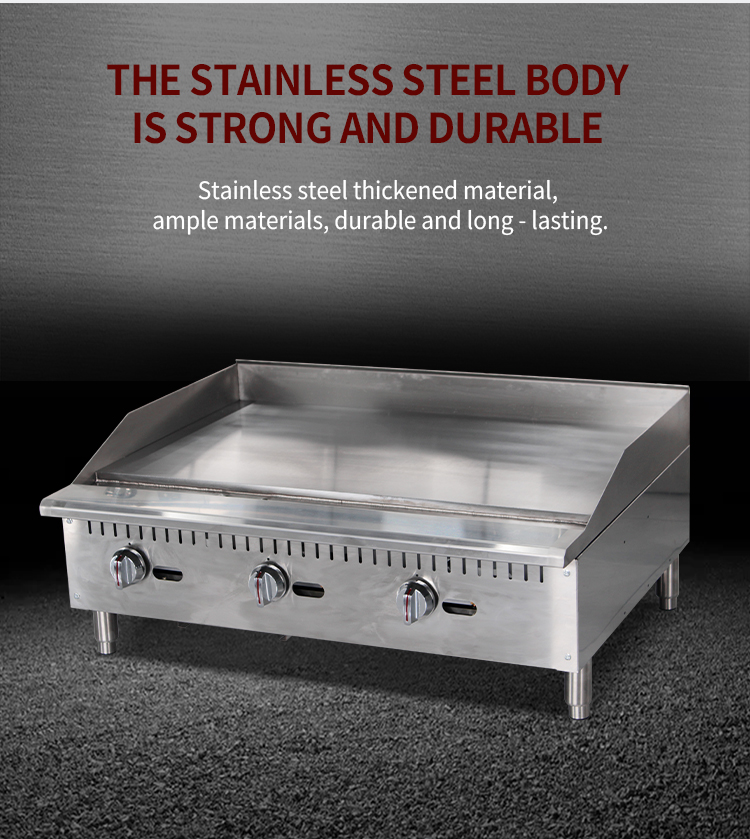
A commercial gas griddle is more than just a cooking surface. It is a versatile platform that can handle breakfast items, lunch specials, and dinner entrees without requiring multiple pieces of equipment. From sizzling pancakes and crispy bacon in the morning to searing steaks and grilling vegetables in the evening, the griddle offers unmatched flexibility.
Its flat surface allows even heat distribution, ensuring that every portion of food is cooked at the desired temperature. This consistency is particularly important in professional kitchens where uniform taste and presentation are non-negotiable.
Key Features That Drive Performance
Modern stainless steel gas griddles are designed with performance in mind. Some of the most valued features include:
-
Precision Temperature Control – Adjustable thermostats allow chefs to maintain specific cooking zones for different dishes.
-
High BTU Output – Ensures quick preheating and the ability to maintain heat during heavy use.
-
Durable Cooking Surface – Stainless steel or chrome-plated surfaces resist corrosion and make cleaning easier.
-
Even Heat Distribution – Eliminates hot and cold spots, reducing food waste.
-
Grease Management Systems – Integrated grease trays help keep the cooking area clean and safe.
These features combine to make the commercial flat top grill a time-saving tool in high-volume cooking environments.
Advantages Over Other Cooking Appliances
While commercial gas ranges and charbroilers have their place, the griddle stands out for its versatility and space efficiency. Instead of using separate pans or burners, a single griddle can handle multiple orders at once. This reduces the need for extra staff and minimizes energy usage.
Furthermore, gas-powered models often provide faster heat recovery compared to electric versions, allowing chefs to move from one order to the next without delays. This is especially critical during peak service hours.
Applications Across the Food Service Industry
The use of commercial gas griddles spans a wide range of food establishments:
-
Restaurants: From diners to fine dining, griddles are used for breakfast, lunch, and dinner menus.
-
Hotels: Room service kitchens and buffets rely on griddles for quick, high-quality meals.
-
Catering Services: Mobile units often use gas griddles for outdoor events and large gatherings.
-
Food Trucks: Compact gas griddles are a favorite for street food vendors due to their portability and output.
This widespread adoption highlights the griddle’s adaptability and value in different culinary settings.
The Importance of Maintenance
To maintain optimal performance, regular cleaning and inspection are essential. Food residue and grease buildup can affect heat transfer, cause uneven cooking, and pose fire risks. Daily cleaning should include scraping the cooking surface, emptying the grease tray, and wiping down external surfaces. Monthly or quarterly maintenance should involve deeper inspections of burners, gas connections, and thermostats.
By following these steps, operators can extend the lifespan of their gas cooking equipment and ensure consistent performance.
Industry Trends and Innovations
The commercial gas griddle market is evolving to meet new demands in the food service industry. Some of the current trends include:
-
Energy Efficiency: Manufacturers are developing models that use less gas without sacrificing performance.
-
Modular Designs: Griddles that can be integrated into larger cooking suites for seamless workflow.
-
Digital Controls: More precise temperature settings and programmable cooking modes.
-
Eco-Friendly Materials: Surfaces that are easier to clean and reduce the need for harsh chemicals.
These innovations not only enhance cooking capabilities but also address environmental concerns and operational costs.
Choosing the Right Commercial Gas Griddle
When selecting a griddle, several factors should be considered:
-
Size and Capacity – Match the griddle’s width and depth to your kitchen’s volume and menu.
-
BTU Rating – Higher BTU output means faster heat recovery, essential during busy hours.
-
Construction Quality – Stainless steel bodies and reinforced cooking surfaces offer better durability.
-
Ease of Cleaning – Features like removable grease trays and smooth surfaces save time.
-
Warranty and Support – A reliable warranty and access to service technicians can reduce downtime.
Investing in the right equipment ensures that your kitchen runs smoothly and can adapt to changing menu demands.
Conclusion
The commercial gas griddle is a cornerstone of efficient kitchen operations. Its versatility, durability, and speed make it an indispensable tool for professional chefs. By choosing a high-quality model, maintaining it properly, and staying informed about industry innovations, food service operators can maximize productivity and deliver consistently excellent dishes.
Whether you run a bustling diner or a high-end hotel kitchen, a well-maintained gas griddle can be the difference between good service and exceptional service.